
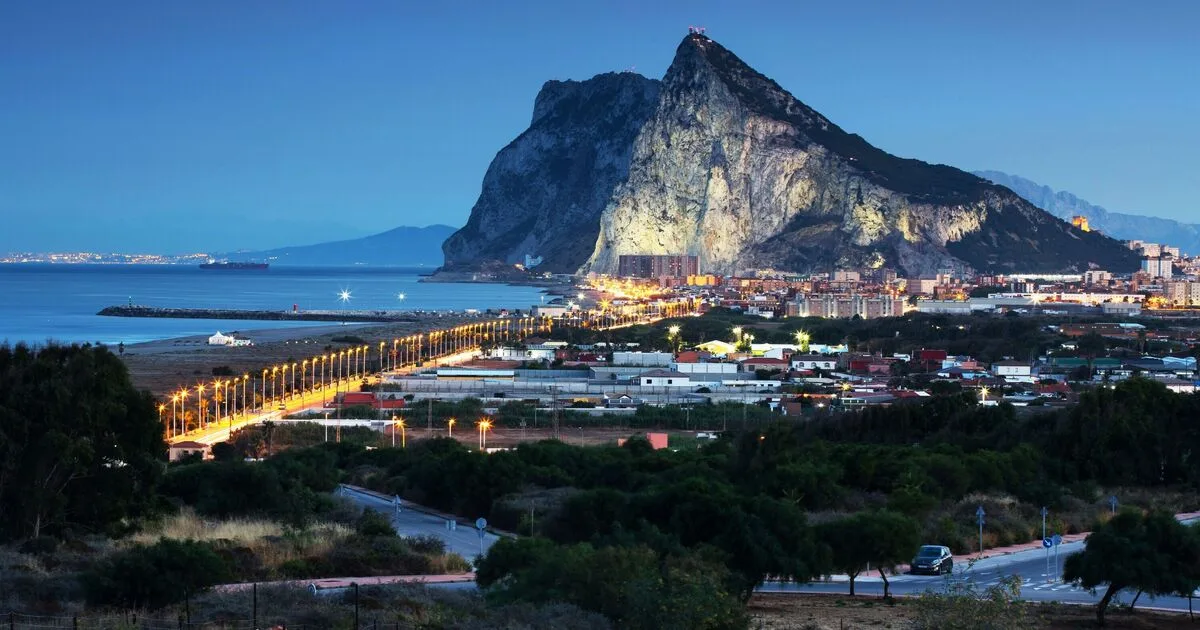
A proposed £7.4 billion underwater tunnel linking Europe and Africa has moved a step closer, after a feasibility study found the project to be “technically viable”. The tunnel would connect Gibraltar with Tangier, Morocco, spanning the Strait of Gibraltar.
Discussions about a fixed link across the strait date back to 1979, when Spain and Morocco formed a joint committee to examine the idea. Talks were revived in 2021, with reports that the UK and Morocco would discuss the crossing. Now, German tunnel engineering firm Herrenknecht has concluded that drilling the tunnel is feasible.
Spanish consultancy Ineco is expected to develop a detailed blueprint by 2027, with government approval hoped for in the same year. The tunnel would be 26 miles long, with 17 miles underwater, reaching a maximum depth of 420 metres—far deeper than the Channel Tunnel, which sits just 74 metres below sea level.
If built, the tunnel would revolutionise transport between Europe and Africa. The journey from Madrid to Casablanca would shrink from 12 hours by car and ferry to just five and a half hours by train. Goods could also be moved faster and more cheaply.
However, significant challenges remain. The Strait of Gibraltar is over 900 metres deep in places, with strong currents that would make a bridge unstable. The seabed is composed of hard rock, complicating drilling. The strait is also a busy shipping lane and lies in a seismically active zone, adding to the project's risk.




