
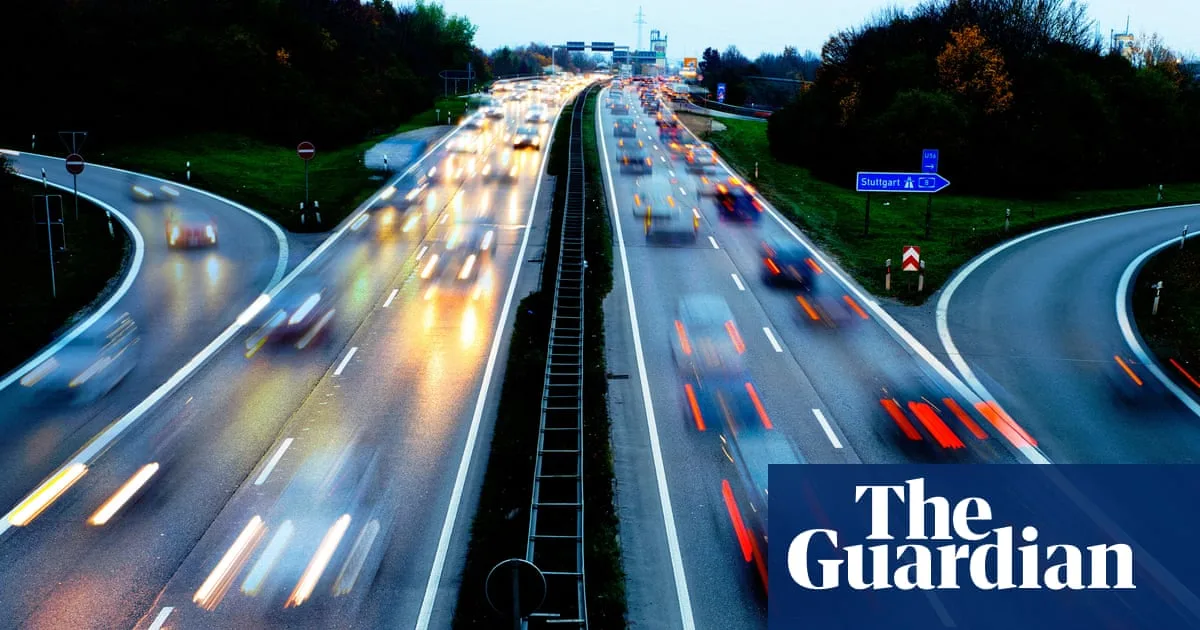
Germany remains the only democracy in the world without a blanket speed limit on its motorways, a stance deeply rooted in national identity. Enthusiasts like Lutz Leif Linden, president of the Automobile Club of Germany, describe the freedom to drive at speeds up to 400 km/h as part of 'the German DNA'. Despite growing support for a limit, political resistance persists.
Public opinion has shifted in recent years, with a 2024 YouGov poll showing majority support for a speed limit among voters of all major parties except the far-right Alternative für Deutschland and the Free Democrats. Even the ADAC, Germany's largest motoring association, reported 55% member support in 2024. However, politicians like Friedrich Merz and Christian Lindner have dismissed the idea as symbolic or nonsensical.
Opponents argue that country roads are more dangerous and that a blanket limit is unnecessary. They cite time savings on long journeys and the psychological benefits of focused driving. Ariane Lattke, president of the German Women's Automobile Club, describes the experience as a 'flow state' that clears the mind.
Researchers highlight potential benefits: a 2023 study found a 130 km/h limit would yield nearly €1 billion annually in societal benefits. The German Environment Agency estimated a 2.2% cut in road transport emissions. A 2025 study found a 120 km/h limit could reduce motorway deaths by 36%, though a 130 km/h limit showed no statistically significant life-saving effect.
On Thursday, regional transport ministers met as civil society groups—from environmental activists to police unions—called for a general speed limit of 130 km/h on motorways, 80 km/h on rural roads, and 30 km/h in cities. The IEA's latest appeal to slow down amid the energy crisis has been largely ignored.




