Local Outrage as Government Approves £7.5m Plan to Fill Historic Victorian Tunnel
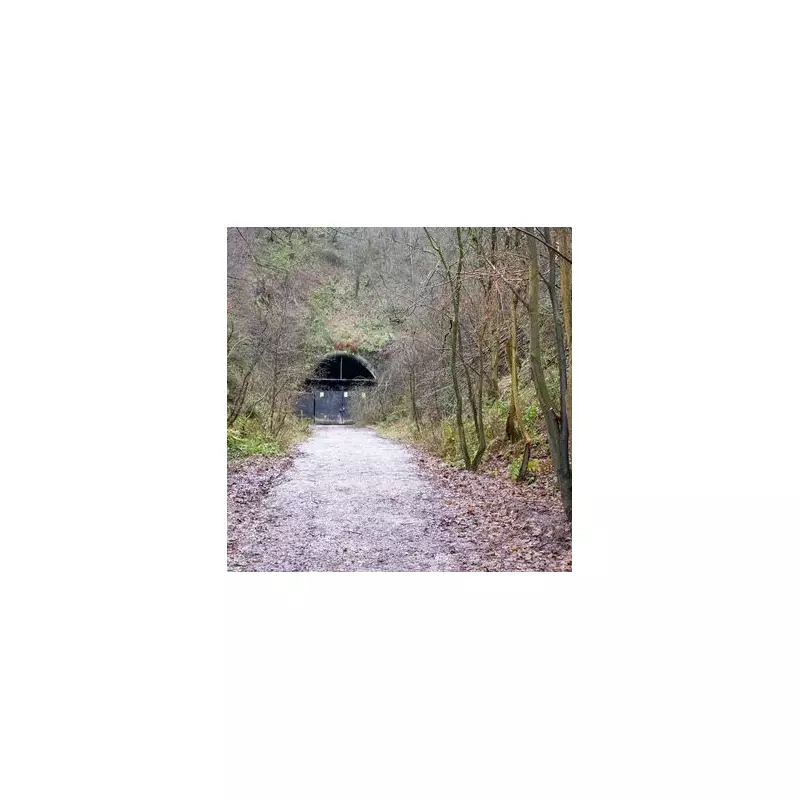
Approximately 150 protestors gathered at the entrance to Queensbury Tunnel this week, voicing strong opposition to a government decision that would see the iconic Victorian structure filled in at a cost of £7.5 million. The controversial move, announced in July 2025, has sparked widespread condemnation from local residents, campaigners, and Members of Parliament who argue the decision represents a wasteful and short-sighted use of public funds.
Decade-Long Campaign for Greenway Transformation
The Queensbury Tunnel Society (QTS) has spent more than ten years developing comprehensive plans to transform the 1.4-mile disused railway tunnel into a vital greenway. This shared-use path would create an active travel corridor linking Bradford with Calderdale, providing significant benefits for cyclists, walkers, and the local economy. Campaign leader Norah McWilliam described the government's current approach as "abandonment on the cheap" and questioned how filling the tunnel aligns with stated priorities to improve people's lives in tangible ways.
Conflicting Cost Estimates Fuel Controversy
The dispute centres on dramatically different assessments of the tunnel's future. While National Highways maintains that restoration would cost approximately £22 million, independent engineering consultancy AECOM has produced estimates suggesting the work could be completed for just £6.9 million. Bradford West MP Naz Shah highlighted this discrepancy, stating: "It will cost us less than £7m to restore it for the benefit of local people. I think it's a short-sighted decision to try and close this."

QTS further argues that their proposed greenway would deliver exceptional value, returning an estimated £3 in social, economic, and tourism benefits for every £1 invested. This contrasts sharply with the government's plan to spend £7.5 million on a solution that campaigners claim will deliver no lasting public benefit whatsoever.
Heritage Concerns and Political Pressure
Bradford South MP Judith Cummins has championed the tunnel's historical significance, describing it as a "jewel in the crown of Bradford, Queensbury and Yorkshire." She emphasised its rarity, noting there are few comparable Victorian railway tunnels remaining anywhere in Europe. Both Cummins and Shah have pledged to lobby vigorously in Westminster to reverse the decision, armed with surveys and evidence supporting preservation.
The controversy has attracted attention beyond Yorkshire, with some protestors travelling from as far as Bristol and London to join the demonstration. McWilliam stressed that this is not merely a local issue but one deserving national attention, particularly given the substantial public expenditure involved and the potential loss of a unique heritage asset.
Previous Investment and Future Uncertainty
Adding to the frustration is the revelation that National Highways has already spent £7.2 million between 2018 and 2021 on strengthening work designed to prevent collapse and ensure "any future plans for the structure can be realised." Campaigners argue this significant previous investment makes the current fill-in plan particularly illogical.
National Highways has confirmed it will begin stabilisation work following the government's decision, though it specifies this will not involve demolition or traditional infilling. However, the work will render the tunnel permanently inaccessible, effectively preventing any future conversion to a greenway. A revised planning application is expected to be submitted to Bradford Council shortly, reigniting a consultation process that previously attracted over 8,000 objections when first proposed in 2019.
As the battle continues, campaigners are mobilising public support, urging people to "make a big noise" against what they view as a fundamentally flawed decision. The outcome will determine whether a remarkable piece of Victorian engineering is preserved for future generations or lost forever beneath millions of pounds worth of infill material.