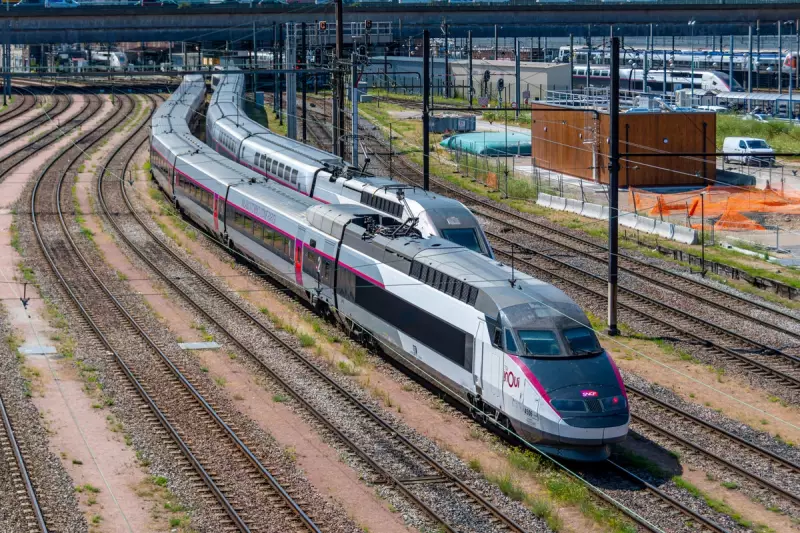
French railway operator SNCF has ignited a wave of public outrage after introducing a new child-free "Optimum" section within its first-class carriages on weekday TGV trains serving routes to and from Paris. This premium service is specifically tailored for business travellers who prioritise comfort and privacy during their journeys, with explicit rules prohibiting children under the age of 12 from accessing the area.
Backlash from Officials and Families
The controversial move has drawn sharp criticism from key figures, including France's high commissioner for children, Sarah El Haïry. She labelled the "no kids" ban as "shocking" and called for the implementation of more family-friendly alternatives within the rail network. Her comments highlight growing concerns about inclusivity and accessibility in public transport services across Europe.
SNCF's Defence and Competitive Landscape
In response to the backlash, SNCF has sought to clarify the scope of the "Optimum" offer. The company stated that this child-free section occupies less than 8% of the available space on TGV Inoui trains and is only operational on weekdays, aiming to minimise disruption for regular commuters and business passengers. This strategy places SNCF in direct competition with other operators, such as Trenitalia, which offers a "Area de Silenzio" (Silence Area) on the Paris-Lyon route. However, Trenitalia has not specified whether children are explicitly banned from its quiet zone, leaving the policy open to interpretation.

The introduction of the "Optimum" section reflects broader trends in the travel industry, where operators are increasingly segmenting services to cater to diverse passenger needs. While some applaud the move for enhancing the travel experience for business professionals, others argue it risks marginalising families and young travellers. The debate underscores ongoing tensions between commercial interests and social responsibility in public transport.
As the controversy unfolds, stakeholders are closely monitoring passenger feedback and potential regulatory responses. The outcome could influence future policies not only in France but also in other countries grappling with similar issues in their rail systems.