Britain's lorry drivers, the vital backbone transporting everything from food to fuel across the nation's motorways, are facing a growing wave of sophisticated criminal attacks. With nearly 90% of the UK's freight moved by road, these essential workers have become prime targets for organised gangs, leading to soaring losses and heightened fears for safety.
The Rising Tide of Theft and Violence
Freight crime is escalating dramatically. The Road Haulage Association reports that £111 million of goods were stolen from lorries in 2024, a staggering increase of almost two-thirds from £68 million the year before. Since 2020, this criminal activity is estimated to have cost the UK economy more than £1 billion. The fallout is pushing up insurance premiums and security costs, a financial burden that ultimately hits consumers at the checkout.
Drivers forced to stop at unsafe rest areas are waking to find their trailer curtains slashed and doors forced open. Cash-motivated thieves nab contents to sell online to unwitting shoppers. Security experts stress this is not opportunistic crime; it is the work of organised gangs—some with Eastern European links—using 'inside men' in warehouses to orchestrate ambushes. Drivers have been threatened at gunpoint or with hammers.

High-value targets include phone shipments worth millions, food, alcohol, and cigarettes. In one brazen August heist near Heathrow, a lorry carrying 12,000 new Samsung folding phones worth £8 million was hijacked. Gangsters are even buying up sub-contractors and posing as legitimate delivery firms only to steal entire trailers.
Drivers Living in Fear
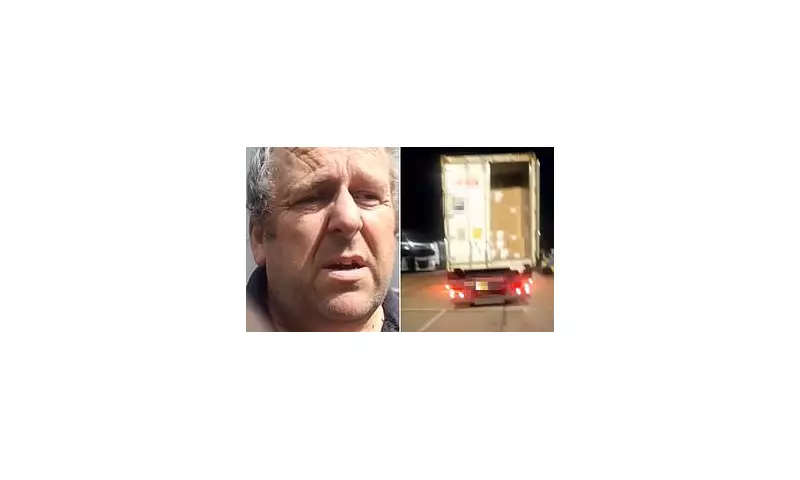
For the drivers on the front line, the impact is deeply personal and professional. Lorry driver Lenny Carvill had his truck's curtain slashed at a service station near Peterborough at 4.30am on August 14. While thieves made off with nothing from his cab, they stole cartons of cigarettes from a neighbouring truck.
"It's pretty disgusting, if I'm honest with you," Carvill told the Daily Mail. "Us drivers, we need our sleep, not being woken up by somebody trying to make a living by robbing vehicles... The cost of the damage to our vehicles is crazy. And you wonder why the cost of living is going up."
Another driver, known as John-o, says his curtains have been slashed seven or eight times, often at motorway services. "It's unnerving," he said. "You do start thinking about what else these guys are going to do. All I want to do is my job, get a sleep in and wake up without anything happening. It's stressful." Even if goods aren't stolen, damage to curtains can lead to entire loads being rejected by clients, forcing costly returns and re-shipments.
According to the National Vehicle Crime Intelligence Service (NaVCIS), most thefts occur at the roadside (43%) and at motorway service stations (32%). Thieves also perform dangerous 'jump-up' thefts at traffic lights. There are even worried whispers among drivers about 'gassing' attacks, though the Royal College of Anaesthetists has cast doubt on the feasibility of such a method.
Systemic Failures and the Fight for Solutions
The industry identifies critical systemic failures. There is a severe shortage of secure parking; the RHA estimates Britain needs 11,000 more lorry parking spaces. This forces drivers into vulnerable lay-bys and industrial estates. Many paid truck stops lack adequate lighting, manned security, and effective CCTV.
"The chance of catching a criminal in the process of trying to break into a vehicle is incredibly low," said Rhys Hackling of Direct Connect Logistics. "We need places we can park vehicles where they are secure and the chances of a break-in are next to zero."
Policing and data collection are also major hurdles. There is currently no specific police recording code for freight crime, meaning a £100,000 trailer theft is logged the same as a handbag snatch. Labour MP Rachel Taylor, who chairs the All-Party Parliamentary Group for Freight and Logistics, has successfully pushed for a trial of 'tagging' freight offences in the West Midlands. She has tabled a bill to create a proper crime code to track the issue accurately.

"It was staggering when I first started looking at this," Ms Taylor said. "We had this perception that freight crime was opportunistic... But it's not. It's serious organised crime... At the end of the day it's people like you and I that are paying for it."
Meanwhile, NaVCIS, the national police unit tackling vehicle crime, suffers from a lack of direct government funding, relying instead on membership fees from haulage firms. Security expert Lee Grundle argues this must change: "The government should fund this, give them the tools to do the job properly."
Some service station operators are investing. Welcome Break put £1.7 million into HGV park improvements in 2024, while Moto invested £3.5 million, claiming a 35% reduction in incidents at sites with enhanced security. However, with only 12 sites in the UK holding accredited Park Mark Freight security status, the sector agrees far more must be done to protect the drivers who keep the nation moving.