Navigating Winter Flight Disruptions: Essential Guide for Stranded Travellers
Severe winter weather has the power to dismantle even the most meticulously organised travel itineraries, leaving thousands of passengers stranded across airports. However, amidst the chaos of cancellations and delays, there is a crucial financial safeguard: US airlines are legally mandated to provide refunds for cancelled flights, regardless of the ticket type.
Major Winter Storm Triggers Widespread Travel Chaos
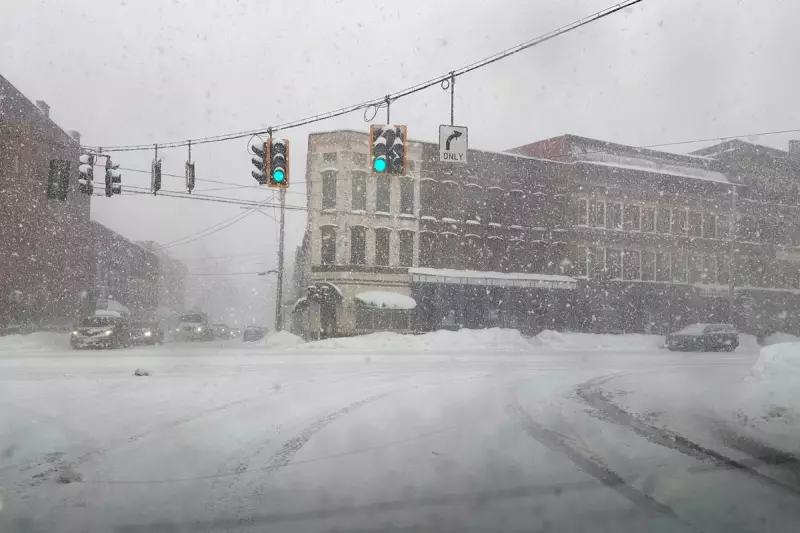
A significant, multi-day winter storm is currently posing a severe threat to approximately half of the US population, with forecasts predicting heavy snow, sleet, ice, and widespread power outages. Aviation analytics firm Cirium reports that thousands of weekend flights have already been cancelled, with meteorologists warning that the potential for catastrophic damage, particularly in ice-affected regions, could reach levels comparable to a hurricane.
Proactive Steps: Monitoring Forecasts and Airline Alerts
When airlines anticipate that adverse weather will impact flight schedules, they frequently issue travel alerts that allow passengers to reschedule their journeys over a several-day period without incurring change fees. Travellers are advised to search online using their airline's name combined with terms like "travel alerts" to identify available rescheduling options.

For instance, American Airlines has announced it is waiving change fees for passengers affected by the storm, which delivered freezing rain to parts of Texas on Friday. The Texas-based carrier has cancelled over 1,200 flights scheduled for Saturday. In response, American has added supplementary flights to and from Dallas-Fort Worth International Airport through at least Sunday, providing more than 3,200 additional seats.
Essential Pre-Travel Checks and Cancellation Protocols
Before heading to the airport, utilise your airline's mobile application to verify your flight's status, as cancellations can occur hours or even days prior to departure.
If your flight is cancelled while you are at the airport, immediately join the queue to speak with a customer service representative. For those still at their hotel or residence, contacting the airline via phone or online to reach reservations staff is recommended. In either scenario, proactively researching alternative flight options while awaiting assistance can significantly streamline the process.
Most airlines will rebook passengers on a subsequent flight at no extra cost, though this is contingent upon seat availability. While airlines are not obligated to place travellers on another carrier's flight, some major airlines may offer rebooking on partner airlines, although this is not guaranteed.
Understanding Your Right to a Full Refund
Should your flight be cancelled and you decide against travelling or secure alternative transportation, airlines are legally required to issue a full refund—even for non-refundable tickets. The reason for the cancellation is irrelevant to this entitlement.
While airlines might propose travel credits, passengers are entitled to a complete refund, including reimbursement for any unused bag fees, seat upgrades, or additional extras. According to the US Department of Transportation, refunds for credit card payments must be processed within seven business days after declining an alternative flight or voucher, and within twenty calendar days for cash or cheque payments.
Compensation Policies for Meals and Lodging
The US Department of Transportation does not mandate airlines to compensate passengers for meals or accommodation when flights are cancelled or significantly delayed due to "uncontrollable" events like severe weather. However, each airline maintains its own policies for assisting passengers stranded by "controllable" disruptions—such as those arising from maintenance problems, crew shortages, or operational IT failures.
The Transportation Department holds airlines accountable for these commitments and operates a website where travellers can review each carrier's promises regarding fault-based major disruptions.

Expert Tips for Managing Travel During Storms
Kyle Potter, Executive Editor of Thrifty Traveler, recommends that travellers concerned about troubling weather forecasts consider booking a backup flight. He notes that certain airlines are particularly suitable as backups because they permit full refunds if cancellations are made within 24 hours of booking.
During severe storms, airline customer service phone lines often become overwhelmed. If travelling with someone possessing higher frequent-flyer status, use their priority contact number. Another effective strategy is to call the airline's international support line, as agents there are typically equally capable of handling rebookings.