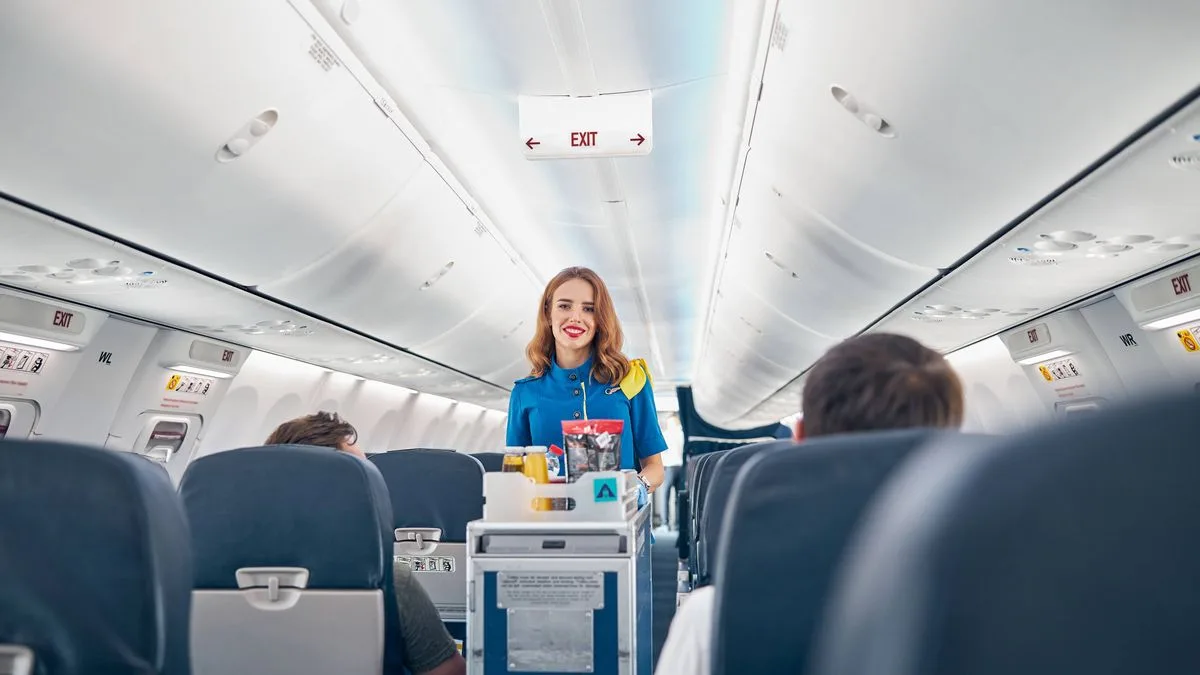
Flight Attendant Reveals Why Diet Coke Is the Most Hated In-Flight Drink
Flight Attendant Explains Why Diet Coke Is Hated Onboard

A flight attendant has revealed the practical and scientific reasons why serving Diet Coke during air travel is particularly frustrating for cabin crew members. While passengers might casually order the popular low-calorie beverage, crew members dread these requests due to the unique challenges posed by high-altitude conditions.

The Scientific Reason Behind the Froth

In a detailed blog post, an anonymous flight attendant known only as 'Jet' explained that fizzy drinks bubble up much more aggressively when poured at cruising altitude. This occurs because carbon dioxide (CO2) is released more easily under the lower air pressure found in airplane cabins. Among all carbonated beverages, Diet Coke proves to be the absolute worst offender, creating excessive foam that significantly slows down service.

Jet, who writes under the pseudonym These Gold Wings, shared their firsthand experience: "Soft drinks foam up a lot more when poured out of a can, and the worst culprit for this is Diet Coke. I literally have to sit and wait for the bubbles to fall before I can continue pouring."

Wide Pickt banner — collaborative shopping lists app for Telegram, phone mockup with grocery list

The Operational Impact on Cabin Service

The flight attendant described how multiple Diet Coke orders can disrupt the entire drink service workflow. "If all three passengers ask for Diet Coke, I'll often get them started, take another three drink orders, serve those, and then finish the Diet Cakes," Jet explained. This creates substantial delays during what is already a time-pressured service period.

Jet emphasized the cumulative effect of these delays: "Pouring Diet Coke is one of the biggest slowdowns in the bar service. On shorter flights, those precious seconds count significantly toward our ability to complete service efficiently."

A Clever Pouring Technique

Thankfully, Jet has developed and demonstrated a "smart way" to pour Diet Coke that minimizes the foaming problem. In an instructional video that has attracted over half a million views, the flight attendant shows how to control the pour by manipulating air pressure.

"What you can't see is that the Diet Coke doesn't come out of the can when flipped upside down until you lift it up and tilt it slightly," Jet revealed. "This is because the air pressure is keeping the Coke in the can. It makes pouring the Diet Coke very controllable and reduces the chances of spilling or overflow."

Why Fizzy Drinks Are Problematic for Passengers Too

The issues with carbonated beverages extend beyond crew inconvenience. At cruising altitude, the lower cabin pressure causes gas to expand inside the human body. This means fizzy drinks like Diet Coke can make passengers feel more bloated and uncomfortable during flights.

These beverages may also aggravate indigestion, particularly during long-haul flights when passengers remain seated for extended periods. Medical experts generally recommend water as the superior hydration option during air travel, as it helps prevent headaches and dryness without the gastrointestinal side effects of carbonated drinks.

While the pouring technique might seem minor to some travelers, for flight attendants working in the hectic environment of an aircraft cabin, such time-saving methods prove invaluable for maintaining service efficiency and passenger satisfaction throughout the journey.

Pickt after-article banner — collaborative shopping lists app with family illustration




