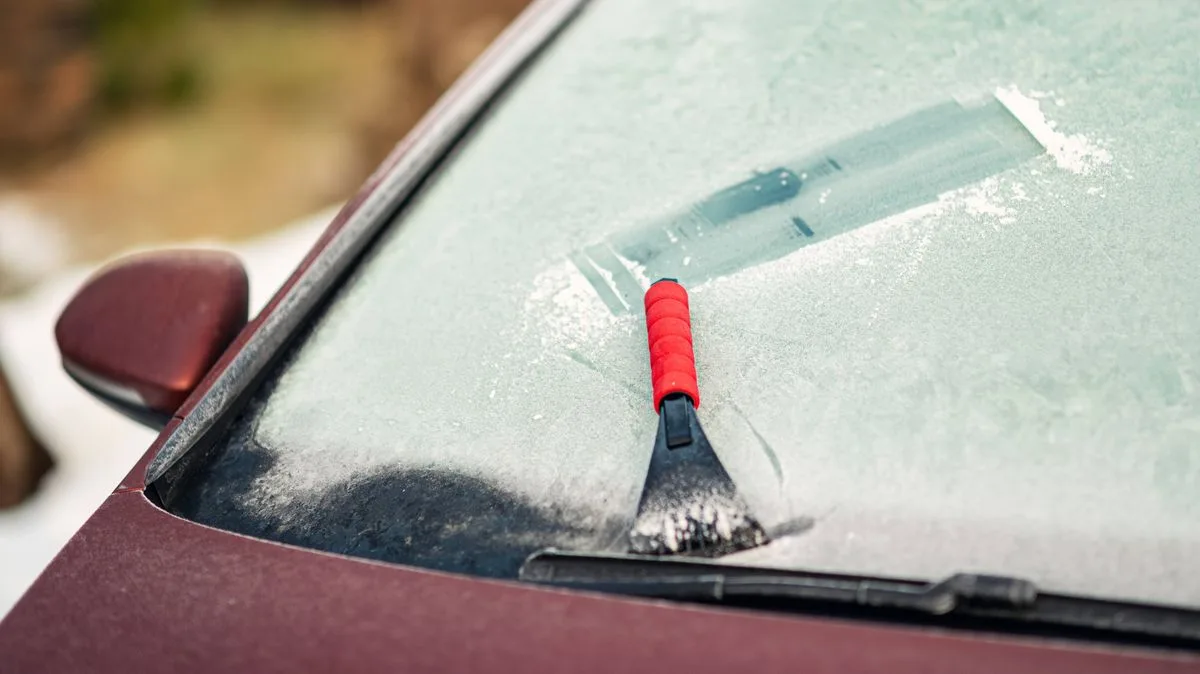
With a sharp drop in temperatures across the UK, drivers are facing the familiar morning battle with frozen windscreens. However, motoring organisations and consumer experts are issuing urgent warnings against common but risky de-icing practices, particularly the use of boiling water.
The Dangers of a Quick Fix
The debate was highlighted in a recent online discussion where a driver boasted of using hot tap water to clear ice in under two minutes, a method they had employed for 25 years. While they clarified they used warm, not boiling water, the response from professionals was unequivocal. Green Flag explicitly advises motorists to "ignore all the advice about boiling kettles." The reason is clear: pouring very hot water onto frozen glass can cause it to crack due to thermal shock. Furthermore, the water can refreeze on the ground, creating a hazardous patch of black ice.
Consumer champion Which? echoes this warning, stating that you often won't know the water is too hot until it's too late and your windscreen is damaged. Even if it doesn't crack immediately, the sudden temperature change can weaken the glass, especially if there is a pre-existing chip or stress point.
Recommended and Safer Alternatives
So, what should you do instead of scraping frantically or reaching for the kettle? Experts recommend a combination of preparation and the right products.
Which? suggests the proper way is to start your car, turn the warm air blowers to full power directed at the windscreen and rear window, and activate the defrost setting if your vehicle has one. They also recommend applying a dedicated de-icer spray to the outside of the glass. Green Flag notes that while sitting in your car with the engine running works, it is inefficient, wastes fuel, and increases engine wear.
The most effective solution, according to breakdown providers, is a commercial de-icing spray. Green Flag states that most sprays "take effect immediately," allowing you to drive off quickly and legally with a clear view. For those who plan ahead, using a windscreen cover the night before prevents ice from forming directly on the glass, making morning clearance a simple task of removing the cover.
Community Wisdom and Final Warnings
In online forums, experienced drivers shared their routines, often combining methods. One advised: "Put the engine on, put the rear de-mister on and direct the heat to the windscreen. I use de-icer if it's bad." Another added a crucial caveat about the hot water method, noting it's a "terrible idea" as any small chip could lead to a major crack.
The consensus from motoring experts like Green Flag and Trade Price Cars is clear: while a bag of lukewarm water might work, you should never use kettle-temperature water, either in a bag or poured directly. The risk of a shattered windscreen and the creation of additional ice hazards is simply too great. As the cold snap continues, adopting safe, recommended de-icing techniques is essential for every driver's safety and wallet.




