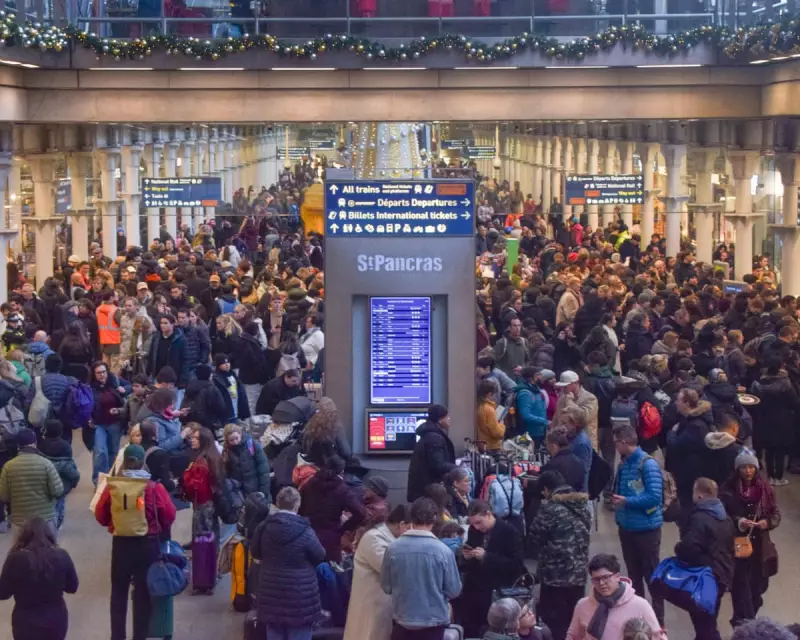
Thousands of travellers found themselves unexpectedly stranded last month when a significant power failure disrupted operations within the Channel Tunnel, causing widespread travel chaos. The incident, which occurred during a busy holiday period, left numerous passengers scrambling for alternative arrangements as services between London and continental Europe were severely affected.
Passenger Accounts of Stranding and Broken Promises
One affected traveller, part of a group of four, described being stuck at Brussels station when all train services to and from London were abruptly cancelled for a full 24-hour period. According to their account, Eurostar staff on the ground advised passengers to secure hotel accommodation themselves, while distributing leaflets that explicitly promised reimbursement for reasonable expenses including accommodation, meals, and necessary transport costs incurred due to the disruption.
Booking System Controversy and Additional Costs
The situation was further complicated by what passengers perceived as unfair booking practices. When directed to use an online rebooking portal, the system showed no available seats for two subsequent days. However, Eurostar's standard public booking website simultaneously displayed available seats for the following day, leading to accusations that the company was prioritising new ticket sales over assisting stranded customers.

Faced with limited options, the stranded party purchased new tickets through the regular site at a substantial cost of €1,230 (approximately £1,072). This unexpected expenditure, combined with hotel and living costs, formed the basis of a subsequent expenses claim submitted to Eurostar for reimbursement.
Inadequate Compensation and Regulatory Obligations
Instead of receiving the full refund promised, the claimant reported receiving merely a £120 travel voucher from Eurostar, a fraction of the £1,744 they calculate is owed for expenses and compensation. This pattern appears not to be isolated, with other affected passengers reporting similar experiences on various social media platforms following the pre-New Year's Eve disruption.
Under established EU rail passenger rights regulations, rail operators are legally obligated to cover reasonable expenses in such disruption scenarios. Furthermore, Eurostar's own terms and conditions specify additional compensation: either 75% of the affected journey's fare in vouchers or 50% in cash if services experience delays exceeding 180 minutes.
Company Response and Processing Delays
Eurostar has responded to complaints by stating that the £120 voucher represented an apology for delays in processing claims, rather than constituting a full and final settlement. However, this explanation has been met with scepticism, particularly as the accompanying email communication indicated that the case was considered closed.
The company has acknowledged that the voucher distribution was intended as a "suitable resolution" but has since conceded that the claimant is actually owed just over €2,000 (approximately £1,744) for expenses and rightful compensation. A spokesperson stated: "Our teams are continuing to work through the remaining cases as quickly as possible. Reasonable expenses will be reimbursed in line with Eurostar policy and EU regulations."
Nevertheless, the refund process itself has become bogged down with a high volume of claims, creating further frustration for passengers awaiting resolution. Those owed larger amounts have been invited to restart the claims process, adding another layer of administrative complexity to an already stressful situation.
This incident highlights ongoing challenges within the rail transport sector regarding passenger rights enforcement and corporate accountability during major service disruptions, particularly for international services like those operated by Eurostar through critical infrastructure such as the Channel Tunnel.