Budget airline passengers across Europe could soon enjoy significantly more generous cabin baggage allowances without facing extra charges, following a landmark vote by the European Parliament. The proposed changes would directly impact major carriers like Ryanair and easyJet, potentially altering the economics of short-haul travel for millions of passengers.
Parliamentary Push for Passenger Rights
Last month, Members of the European Parliament (MEPs) voted to grant all air travellers the right to carry two pieces of cabin luggage at no additional cost. This represents a substantial shift from current practices where many budget airlines charge premium fees for anything beyond a single small personal item.
The proposed amendments would establish a clear legal entitlement for passengers to bring onto aircraft both a personal item, such as a handbag, rucksack or laptop bag, and a small piece of hand luggage with maximum dimensions of 100cm (combined length, width and height) and weighing up to seven kilograms.

Implications for Major Budget Carriers
Ryanair has already been compelled to adjust its baggage policies following earlier EU regulatory changes, increasing the permitted size of personal bags by 20 per cent to 40 x 30 x 20cm. However, the new parliamentary vote could force more substantial changes to the airline's revenue model, which has traditionally relied heavily on baggage fees.
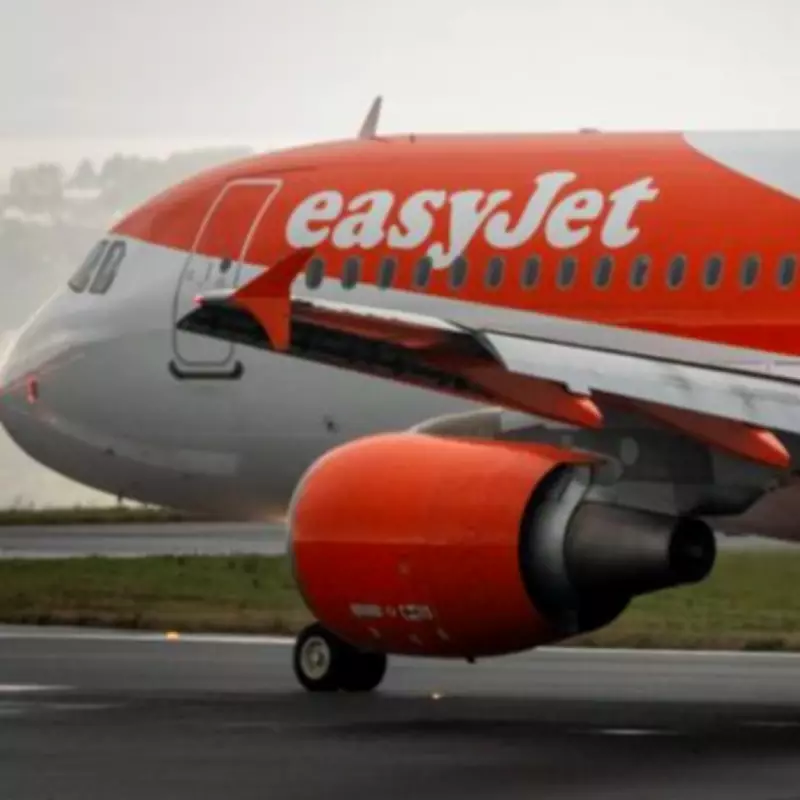
EasyJet's current personal bag dimensions already comply with existing requirements, but the carrier would need to adapt its policies to accommodate the proposed two-bag allowance without additional charges. The changes would apply to all travellers flying to or from EU airports with EU-based carriers, directly affecting the majority of short-haul journeys originating from the United Kingdom.
Family Seating Protections
Beyond baggage reforms, European Parliament members are also advocating for enhanced protections for families travelling with young children. MEPs want to guarantee that children under twelve years old are seated next to an accompanying adult at no extra charge, addressing a longstanding concern for many parents.
Currently, airlines have no legal obligation to place children beside their parents, although the UK's Civil Aviation Authority (CAA) recommends they should do so. The CAA explains that during emergency evacuations, "the speed may be affected by adults trying to reach their children," making proximity seating a genuine safety consideration rather than merely a convenience issue.
Regulatory Pathway Forward
The proposed amendments still require formal approval from the European Council before they can take effect, meaning implementation is not yet guaranteed. However, the parliamentary vote represents significant momentum toward standardising passenger rights across European air travel.
If enacted, these changes would mark one of the most substantial shifts in airline passenger rights in recent years, potentially forcing budget carriers to reconsider their ancillary revenue strategies while providing travellers with more predictable and generous baggage allowances.