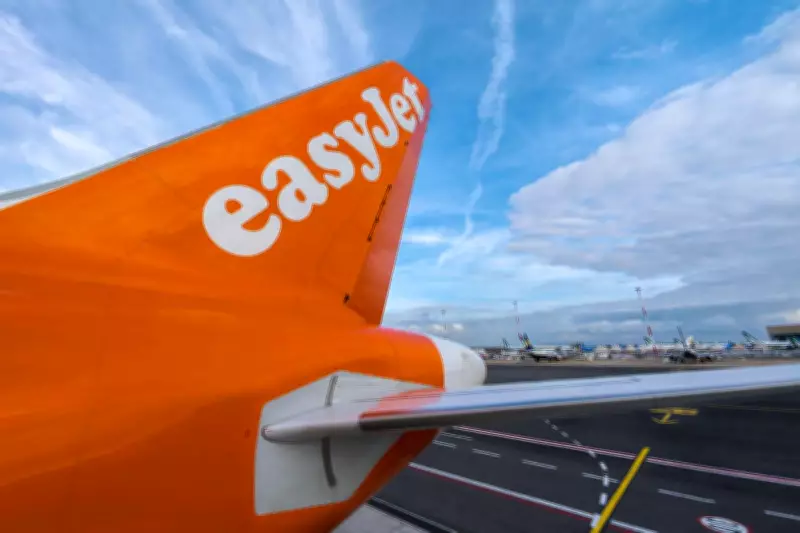
Budget airline EasyJet has reported a significant widening of its winter losses, attributing the financial downturn to an intensely competitive market landscape and strategic investments in its Italian operations. The Luton-based carrier revealed a headline pre-tax loss of £93 million for the crucial three-month period ending December 31, marking a sharp 52% increase from the £61 million loss recorded during the same quarter the previous year.
Financial Performance Amid Market Pressures
This substantial loss occurred despite several positive operational indicators for the airline. Passenger numbers actually rose by 7% during the quarter, demonstrating continued consumer demand for EasyJet's services. Furthermore, the company's package holiday division, EasyJet Holidays, maintained a strong growth trajectory, attracting 20% more customers year-on-year. The airline also reported continued reductions in costs associated with flight disruptions, suggesting improvements in operational efficiency.
Italian Expansion and Competitive Challenges
EasyJet pointed to specific strategic factors behind the financial results. The airline highlighted that this winter represented the first full operational period for its newly established bases at two major Italian airports: Milan Linate and Rome Fiumicino. The company acknowledged that such "capacity investments" require time to "reach maturity" and deliver their full financial potential.

Simultaneously, EasyJet emphasised the impact of a "continued competitive environment in specific markets." This suggests that price pressures and market share battles in certain European routes have squeezed profit margins, even as passenger volumes increased.
Leadership Perspective and Future Outlook
EasyJet Chief Executive Kenton Jarvis provided context to the quarterly results, noting underlying strengths in the business. "We have seen continued demand for our flights and holidays over the last quarter," Jarvis stated, highlighting growth in both airline passenger numbers and load factor.
Jarvis also pointed to investments in customer experience paying dividends, with a four percentage point rise in customer satisfaction and improved on-time performance year-on-year. Looking forward, he expressed optimism: "Bookings are building well for the summer season, with our largest ever January booking period."
The CEO reaffirmed the company's strategic goals, stating, "We remain committed to delivering sustainable value and continue to progress towards our medium-term target of generating over £1 billion in profit before tax."
Industry Context and Annual Performance
The aviation industry typically experiences weaker financial performance during winter months, when demand for leisure and business travel traditionally declines. EasyJet's latest results fit within this seasonal pattern, though the scale of the loss increase is notable.
This quarterly report follows a more positive annual performance disclosed in November, when EasyJet announced a 9% rise in headline pre-tax profits to £665 million for the full year ending September 30. The contrast between the strong annual results and the challenging winter quarter underscores the cyclical nature of airline economics and the specific pressures currently affecting the budget carrier sector.
The combination of expansion costs in competitive markets and broader industry challenges presents a complex picture for EasyJet as it navigates the balance between growth investment and near-term profitability.