EasyJet CEO Slams 'Lunatic' EU Cabin Bag Proposals as Fare Hikes Loom
Air passengers across Europe are facing the prospect of significant ticket price increases, with budget carrier easyJet warning that new European Union regulations could force fares up by as much as 25 per cent. The controversy centres on proposed changes to what baggage travellers can carry on board aircraft without additional charges.
Industry Backlash Against 'Crazy' Legislation
EasyJet's chief executive, Kenton Jarvis, has launched a scathing attack on the EU's proposed rules, branding them "lunatic" and "crazy European legislation." The proposals would grant passengers the freedom to bring both a personal laptop bag and one item of hand luggage on board free of charge.
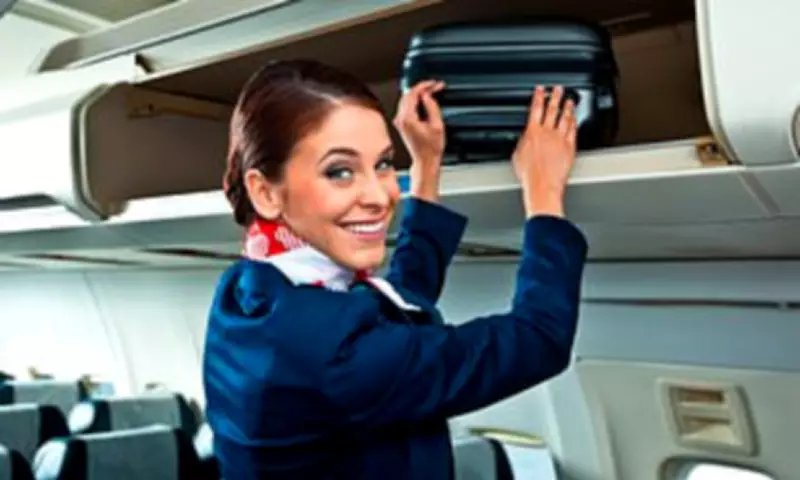
Mr Jarvis warned that implementing such changes would cause operational chaos, explaining that easyJet's aircraft currently have sufficient space to accommodate cabin bags for approximately two-thirds of passengers. "If everyone brought luggage on board, some bags would have to be removed and stowed in the hold," he stated, predicting this would significantly increase turnaround times and flight delays.

The airline boss claimed the resulting inefficiencies would force carriers to raise ticket prices by up to 25 per cent to compensate for lost revenue. "This is politicians not understanding their subject and getting involved in things they shouldn't," Mr Jarvis declared. "It will be terrible for the consumer. I just can't explain how stupid it would be for them to do it."
European Parliament's Passenger Rights Push
The proposed amendments come from Members of the European Parliament, who have voted to maintain existing compensation thresholds for flight delays while expanding passenger rights. Under the proposals:
- Travellers would retain the right to compensation for delays exceeding three hours, with damages set between 300 and 600 euros (£260 to £520)
- Passengers would be permitted to carry both personal items and hand luggage free of charge
- Disabled passengers and those with reduced mobility would receive compensation, rerouting options and assistance if forced to miss trips due to inadequate airport support
Rapporteur Andrey Novakov defended the proposals, stating: "Parliament is ready to continue the fight for clearer and more predictable rules for airlines and a stronger aviation sector, but not at the expense of passengers. Our baseline is clear - we are determined to improve rather than dilute air passenger rights."
Industry Association Voices Concerns
The backlash extends beyond individual airlines, with industry association Airlines For Europe expressing serious reservations. Chief executive Ourania Georgoutsakou argued: "Sticking to old rules on compensation, when delays have increased by 114 per cent in the past 15 years due to factors airlines do not control, does not get passengers to where they want to be faster."
She added: "Obliging all of us to pay for an extra cabin bag we may not want or need, or to sit next to a disruptive passenger because they can no longer be denied boarding, does not benefit passengers either."
EasyJet's Recent Regulatory Troubles
The controversy emerges alongside separate regulatory difficulties for easyJet, whose advertising practices have recently come under scrutiny. The Advertising Standards Authority this month banned an easyJet advert for misleading customers about cabin bag pricing.
The ASA ruled that the airline could not substantiate claims that large cabin bags were available from £5.99 across a significant proportion of flights. Consumer protection group Which? had challenged whether the pricing claim was misleading and could be properly evidenced.
Rory Boland, editor of Which? Travel, commented: "It's frankly astonishing that airlines think they can ignore the rules and mislead customers with unattainable prices, so it's absolutely right that the ASA has made this ruling against easyJet as a result of our complaint."
EasyJet responded that their "Fees and Charges" page was intended for informational purposes rather than promotional campaigns, and that they have since made changes to ensure clearer communication with consumers.

Financial Context and Future Implications
The regulatory debates occur against a challenging financial backdrop for easyJet, which reported a quarterly loss of £93 million for the period ending December 31, compared to £61 million a year earlier. The airline attributed part of this increased loss to expansion costs in Italy.
The proposed EU amendments must now go before the European Council for approval, setting the stage for continued debate between passenger rights advocates and an aviation industry warning of severe operational and financial consequences.
As the discussions progress, travellers face uncertainty about both future baggage policies and potential fare increases, with airlines warning that well-intentioned regulations could ultimately make air travel more expensive and less efficient for consumers across Europe.