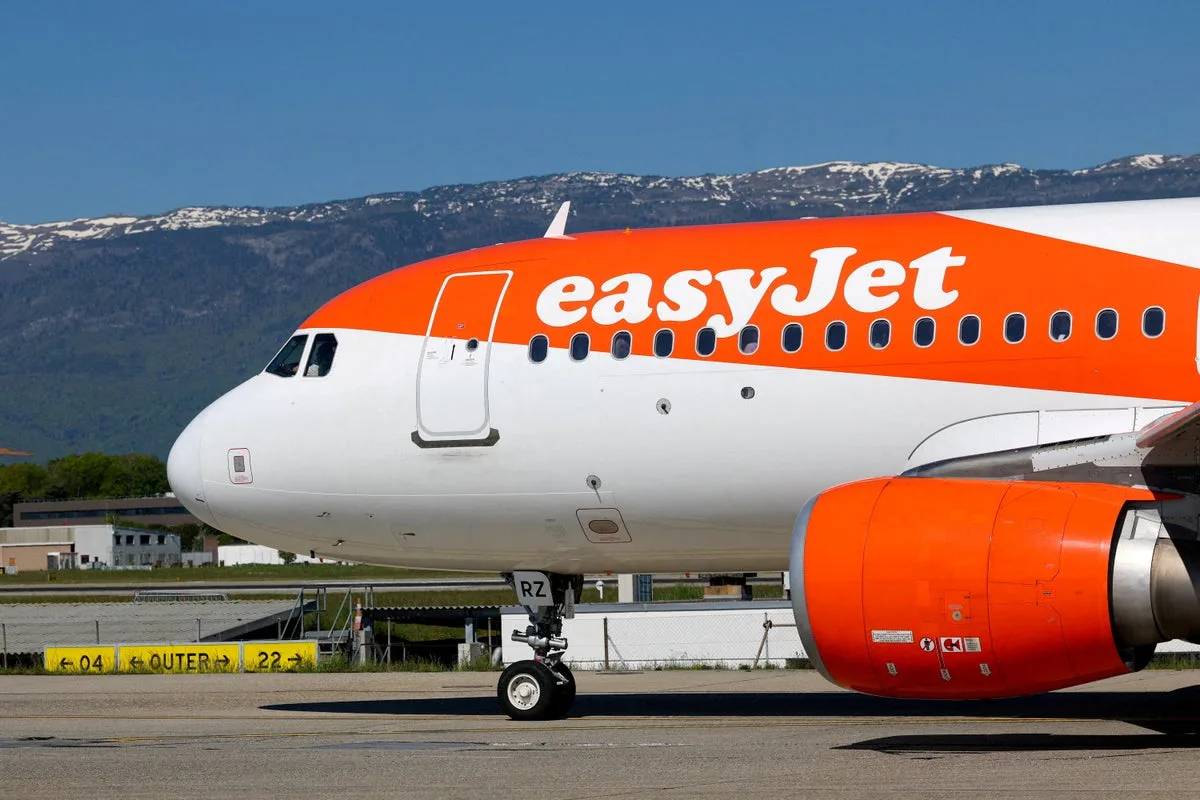
EasyJet Faces £25m Fuel Cost Surge from Middle East Conflict
EasyJet Hit by £25m Fuel Costs Amid Middle East War

EasyJet has revealed that escalating tensions in the Middle East have inflicted a significant financial blow, costing the airline approximately £25 million in increased jet fuel prices over the past month. The Luton-based carrier anticipates reporting a headline loss before tax ranging from £540 million to £560 million for the six-month period ending in March.

Impact of Geopolitical Tensions on Fuel Prices

The conflict, particularly Iran's restrictions on tanker traffic through the Strait of Hormuz, has driven oil prices sharply higher, directly impacting the cost of jet fuel. This surge has introduced considerable uncertainty for EasyJet, affecting both operational expenses and customer demand in the near term.

Declining Bookings and Market Response

Bookings for the upcoming quarters ending in June and September have decreased by two percentage points compared to the same period last year. This downturn contributed to a dramatic fall in EasyJet's share price, which plummeted as much as 9% in early trading on Thursday before recovering slightly to close about 4% lower.

Wide Pickt banner — collaborative shopping lists app for Telegram, phone mockup with grocery list

Executive Commentary on Financial and Operational Challenges

Kenton Jarvis, EasyJet's chief executive, acknowledged the worsened financial performance, attributing it to the Middle East conflict and competitive pressures in certain markets. Despite these challenges, he highlighted the airline's robust financial position, with an investment-grade balance sheet and £4.7 billion in liquidity, which he believes positions EasyJet well to navigate ongoing geopolitical issues.

Jarvis emphasized that the operational ramp-up for the peak summer season is proceeding as planned, following a record-breaking Easter holiday period. Regarding fare pricing, he noted that it remains competitive, with future demand heavily dependent on late summer market conditions and developments in the Middle East conflict over the coming weeks.

Fuel Supply Concerns and Industry Warnings

While Jarvis assured that all airports served by EasyJet are operating normally and that the airline has visibility on jet fuel supplies through mid-May, broader industry concerns persist. Fatih Birol, executive director of the International Energy Agency, warned that Europe might have only about six weeks of jet fuel reserves left, potentially leading to flight cancellations if oil supplies remain constrained.

Additional Financial Provisions and Analyst Insights

In addition to the fuel cost impact, EasyJet recorded a £30 million net increase in legal provisions related to several historic cases, though details were not disclosed. Analysts like Dan Coatsworth of AJ Bell noted that while the Middle East war is pressuring EasyJet, the airline's strong financial health and experience with past disruptions, such as air traffic control strikes and the pandemic, equip it to handle further setbacks.

Coatsworth added that the outlook hinges critically on the resolution of the Middle East crisis. A swift end could alleviate cost pressures and boost bookings, whereas a prolonged conflict might exacerbate demand declines and lead to cancellations if fuel supplies dwindle or are rationed globally.

Pickt after-article banner — collaborative shopping lists app with family illustration




