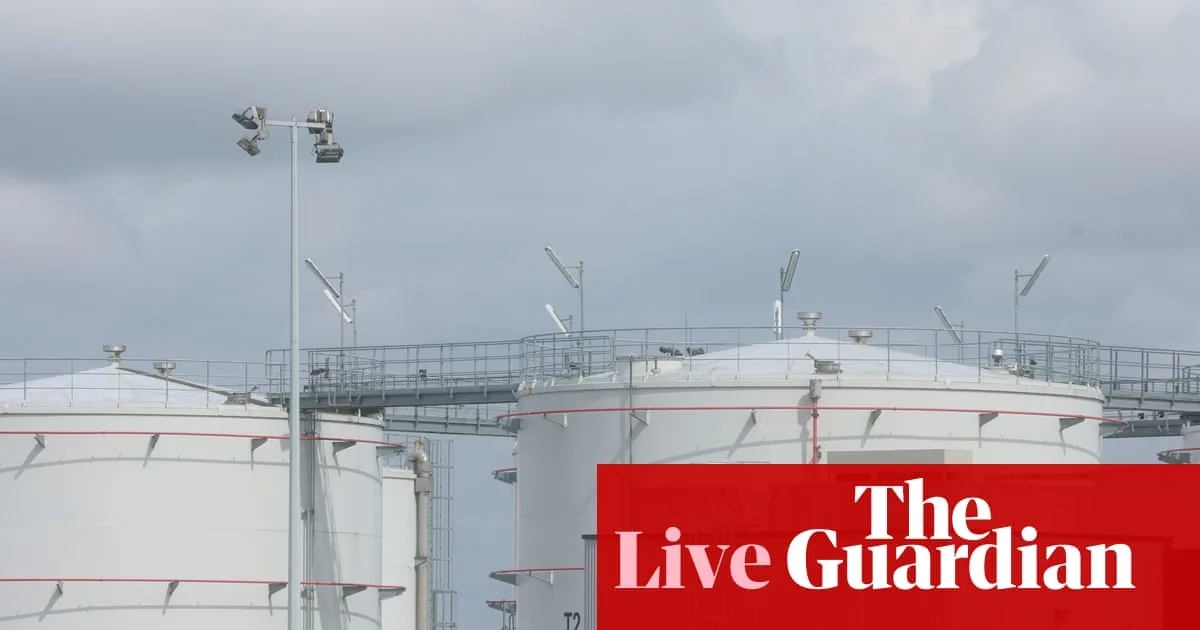
Europe is confronting a severe jet fuel crisis, with reserves dwindling to a mere six weeks of supply, according to recent reports. The United Kingdom is bracing for significant shortages this summer as geopolitical tensions in the Middle East continue to disrupt vital shipping lanes.
Critical Fuel Reserves and Supply Chain Disruptions
The Strait of Hormuz, a crucial maritime passage for global oil and fuel shipments, remains obstructed due to ongoing conflicts involving Iran. This blockage has severely impacted the flow of jet fuel to Europe, exacerbating existing supply chain vulnerabilities. Industry analysts warn that the continent's aviation sector could face operational challenges if the situation persists, potentially leading to flight cancellations and increased travel costs.
UK Preparations and Economic Implications
British authorities are reportedly developing contingency plans to mitigate the impact of potential fuel shortages. The UK, heavily reliant on imports for its energy needs, is particularly vulnerable to disruptions in global supply chains. Experts suggest that the shortage could affect not only air travel but also other sectors dependent on refined petroleum products, contributing to broader economic strain.
Government officials have urged calm, emphasizing that measures are being taken to secure alternative supplies and manage reserves efficiently. However, concerns remain high among airlines and logistics companies, who are closely monitoring inventory levels and adjusting schedules accordingly.
Geopolitical Context and Regional Tensions
The ongoing conflict in the Middle East, often referred to as the Iran War, has created a volatile environment for international trade. The blockade of the Strait of Hormuz, through which approximately one-fifth of the world's oil passes, has raised alarms about energy security worldwide. Diplomatic efforts to resolve the crisis have so far yielded limited results, leaving markets in a state of uncertainty.
European leaders are calling for coordinated action to address the fuel shortage, including potential releases from strategic reserves and increased cooperation with other fuel-producing regions. The situation underscores the interconnectedness of global energy markets and the need for resilient supply chains.
Broader Impact on Consumers and Industry
If the jet fuel shortage worsens, consumers could experience higher ticket prices and reduced flight availability during the peak summer travel season. Airlines may be forced to implement surcharges or reduce services on less profitable routes. Additionally, industries such as tourism and freight transport could face significant disruptions, further straining economic recovery efforts.
Environmental considerations are also coming to the fore, with some advocates pushing for accelerated adoption of sustainable aviation fuels as a long-term solution. However, such alternatives remain in developmental stages and are not yet capable of meeting current demand levels.
As Europe navigates this fuel crisis, the coming weeks will be critical in determining the extent of the impact on daily life and economic stability. Stakeholders across sectors are advised to prepare for potential disruptions while hoping for a swift resolution to the geopolitical tensions at the heart of the issue.