The Driver and Vehicle Standards Agency (DVSA) has issued a crucial warning to owners of classic cars, particularly those with vehicles first registered before 1986. While cars over 40 years old are legally exempt from mandatory MOT tests under the rolling exemption rule, the DVSA stresses that owners should not overlook the importance of voluntary safety assessments.
MOT Exemption for Historic Vehicles
Under current regulations, a car becomes exempt from the annual MOT test as soon as it reaches 40 years from its build or first registration date. This means that vehicles built from 1986 onwards can now qualify for the exemption. However, the DVSA has emphasized that this legal exemption does not mean owners should forget about testing altogether. The agency encourages owners of older cars to still book an assessment to verify their vehicle's safety.
The DVSA posted on social media platform X: "Car 40 or more years old? Historic vehicles are exempt from needing an MOT. But getting one on yours will give you peace of mind that it's roadworthy and safe to drive!"
Conditions and Legal Responsibilities
The MOT exemption applies only if the vehicle has not undergone any substantial changes. Owners who have carried out major modifications—such as replacing the chassis, altering the steering method, or installing a new engine—may not qualify for the exemption. Additionally, owners remain legally required to keep their vehicle in a safe condition to drive. If a classic car is deemed to be in a dangerous condition, the owner can still face penalties.
It is important to note that trucks, lorries, and large goods vehicles are not exempt from the MOT rule and generally still require an annual MOT to remain on the road.
Expert Advice and Peace of Mind
According to the DVSA, getting a voluntary MOT check provides road users with "peace of mind," which is especially valuable for those running classics. Older vehicles tend to be driven much less frequently than modern cars, and many historic models are thoroughly maintained by enthusiasts. However, a professional assessment can help identify potential issues that might otherwise go unnoticed.
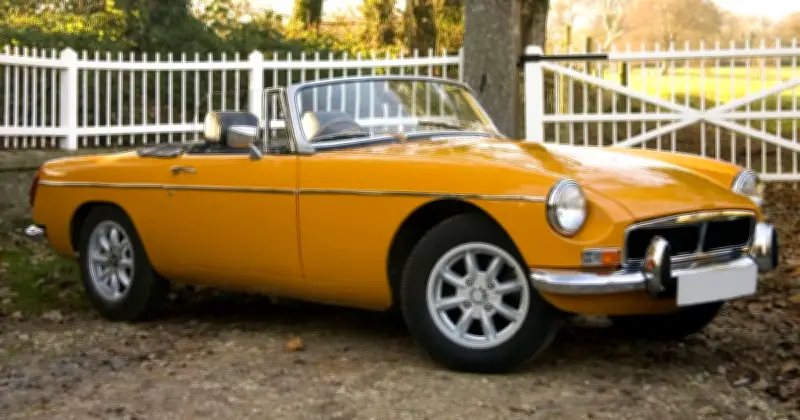
Adrian Flux, an insurance specialist, previously commented on the types of cars covered by the 40-year MOT exemption regulations: "The change meant that all manner of era-defining models became legally fit for the road without an up-to-date MOT, including Ford’s Capri (Mk I and Mk II), Escort (Mk I) and Granada, the Vauxhall Viva, Fiat X1/9, Triumph Stag and MGB."
Impact on Classic Car Owners
The DVSA's warning serves as a reminder that while historic vehicles enjoy certain exemptions, safety should never be compromised. Owners are advised to consider voluntary MOT tests to ensure their classic cars remain roadworthy and safe, helping to preserve both the vehicle and the safety of all road users.