
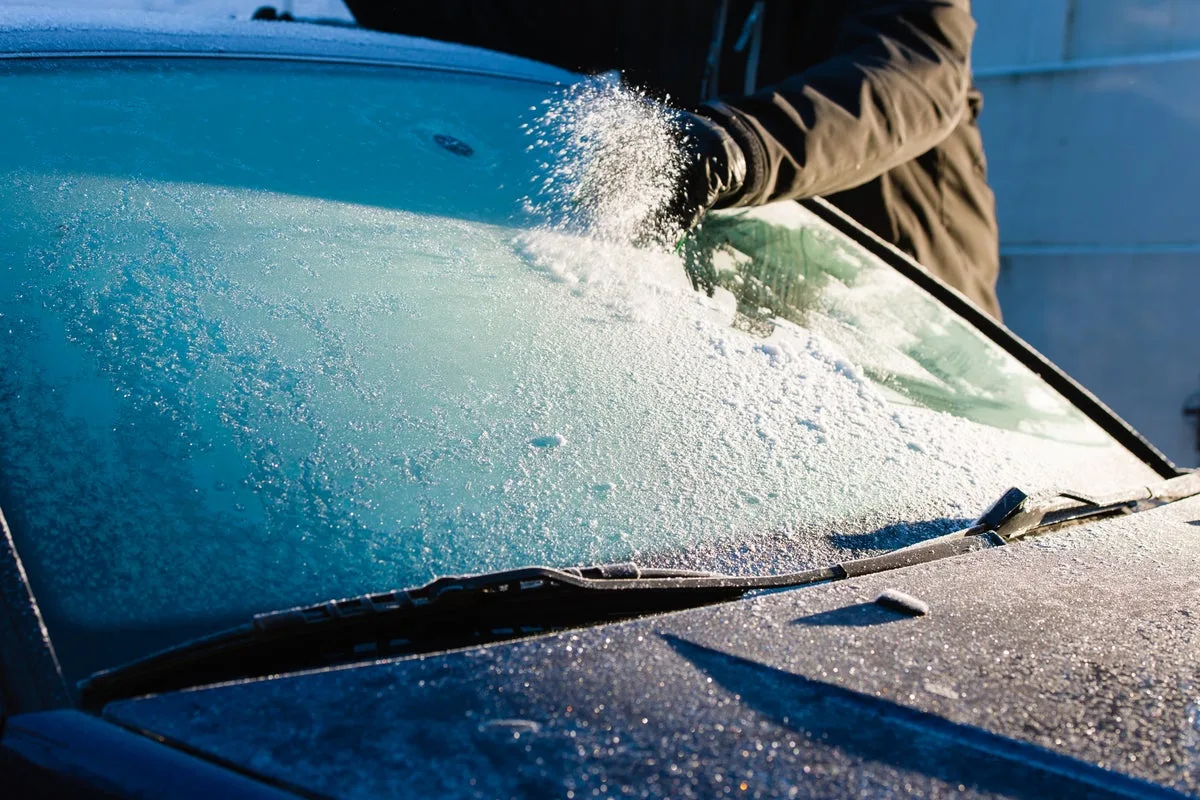
Motorists have been warned that they could face fines of up to £1,000 for repeatedly defrosting their cars incorrectly as winter weather sets in. The Royal Automobile Club (RAC) has advised that leaving an engine running unattended on a public road is an offence known as 'idling', which breaches rule 123 of the UK Highway Code.
Under regulations 98 and 107 of the Road Vehicles (Construction and Use) Regulations 1986, drivers who fail to turn off their engine when instructed may receive a fixed penalty notice of £20. If unpaid within 28 days, the fine rises to £40, then £80, and can escalate to £1,000 for repeat offenders. The RAC also highlighted that an idling engine produces up to twice as many emissions as one in motion, contributing to air pollution linked to an estimated 40,000 deaths a year in the UK.
The rules do not apply on private driveways, where the highway code is not in force. However, on public roads, drivers must ensure they properly clear their windscreens of snow and ice. Failing to do so, including the practice known as 'portholing' – where only a small area is cleared – can result in a fine of £60 and three penalty points for driving with a vehicle in a dangerous condition.
Lawyer Gary Rycroft has warned that inadequate defrosting reduces visibility and increases accident risk. The RAC advises using a scraper and de-icer, ensuring the entire windscreen is clear, and never leaving the vehicle unattended with the engine running to avoid theft and fines.




