Rail passengers in the South East are facing dramatic fare increases of up to 85 per cent following a major expansion of contactless payment systems, with the cheapest tickets being axed at some stations.
Project Oval Rollout Removes Key Discounts
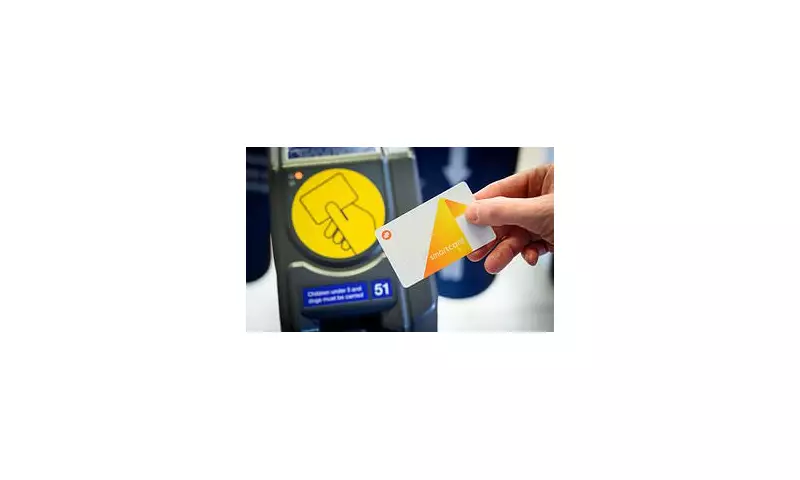
The Department for Transport's (DfT) Project Oval extended contactless 'tap-in, tap-out' payments to 30 additional stations across south-east England from 14 December. However, this modernisation has come with a significant sting: the removal of the cheapest super off-peak paper tickets to align with Transport for London's contactless fare structure.
Steve Trigg, an organiser of the Redhill and District Rail Users' Association (RRDRUA), warned that some families visiting London now face an 85 per cent cost increase to return at peak times, forcing them to alter their schedules. He criticised the DfT, stating the changes have caused 'massive problems because they won't talk with ordinary people using the services'.

Paper Tickets Now Cheaper for Many
Analysis by the passenger lobby group Railfuture reveals a stark disparity. Passengers using contactless will be charged up to twice as much for some journeys compared to those buying traditional paper tickets. This is because contactless systems cannot currently apply discounts for railcards or children.
A clear example involves a family of two adults and two children travelling from Luton to central London at a weekend. Using contactless would cost them £84, whereas purchasing paper tickets from Thameslink with a free Groupsave discount totals just £41.70.
'Offering contactless payment is a good thing - convenient and simple,' said Neil Middleton, Railfuture vice chairman. 'But it currently comes with a number of stings in the tail. If a traveller wants the lowest price, contactless often doesn't deliver.'
Peak Time Restrictions Tightened
The changes have also narrowed the definition of 'off-peak' travel. To synchronise with TfL's system, time restrictions on paper tickets have been altered. For instance, the first weekday London-bound Southern service from Reigate, Surrey, that accepts an off-peak day travelcard now departs at 9.28am, a half-hour later than the previous 8.58am.
This creates an absurd situation where passengers at Reigate cannot use an off-peak ticket for the 8.58am service, but those boarding the same train just five minutes later at Redhill station still can. The cost difference is severe: an 'anytime' day travelcard costs £37.10, while the off-peak version is £20.60.
New evening peak restrictions between 4pm and 7pm further limit affordable travel options. One frustrated RRDRUA member described the situation as 'ridiculous', stating he will now cycle to Redhill station to save money.
Political and Operator Response
Rebecca Paul, the Conservative MP for Reigate, said she has been contacted by 'a number of residents who are understandably frustrated'. She pledged to continue pressing train operator Govia Thameslink Railway (GTR) and the DfT.
'This change should make rail travel easier, not more expensive or confusing,' Ms Paul stated. 'Quietly narrowing the definition of off-peak risks pricing passengers out of rail altogether.'
GTR, the parent company of Southern and Thameslink, defended the changes. A spokesman said introducing contactless required aligning fare structures with TfL's system and that peak timing had to match. He insisted the process was not designed to increase fares revenue and that many passengers would save money.
GTR provided examples of savings, such as a Reigate passenger making a single off-peak journey now paying £7.60 instead of £14.60. A commuter travelling before 6.30am and returning outside evening peaks could save £11.60 on a daily fare.
A DfT spokesperson said: 'Contactless ticketing means passengers benefit from simpler, more flexible travel and the majority of single tickets will be the same price or lower. We have brought ticketing in line with London's 'best price promise'.'

Railfuture advises passengers to always check their train operator's website and TfL's single fare finder to identify the cheapest payment method for their specific journey.