France's Rail Operator Sparks National Debate Over Child-Free Carriages
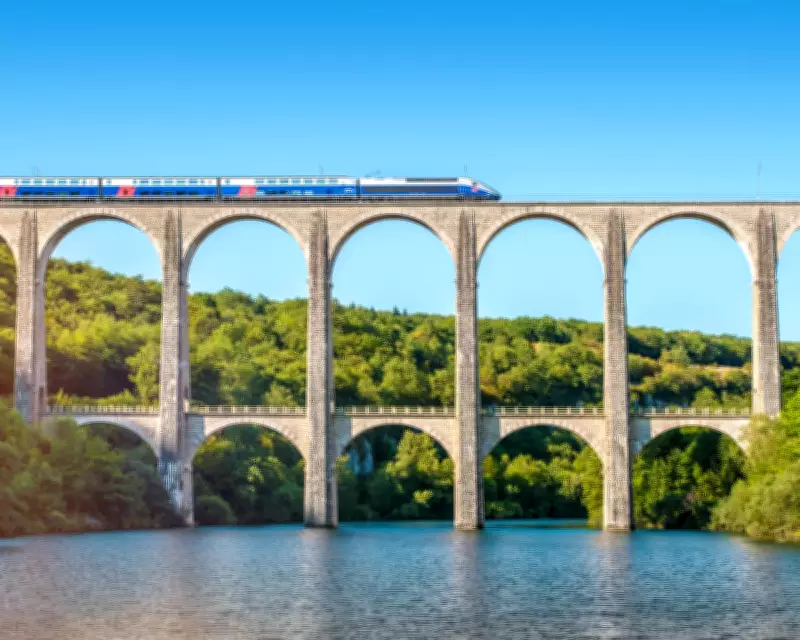
The recent decision by France's national rail operator, SNCF, to introduce child-free spaces on select TGV trains has ignited a fierce national conversation about family values, public space, and demographic challenges. The new Optimum plus tariff, launched earlier this month, offers premium seating on weekday services between Paris and Lyon with a strict no-under-12s policy, aiming to attract business travellers seeking tranquility.
A Philosophical Clash Over Children's Place in Society
This commercial move has unexpectedly transformed into a profound philosophical debate about how French society views its youngest members. The backlash has been swift and significant, with critics arguing that creating exclusionary spaces contradicts France's traditionally family-friendly ethos. Sarah El Haïry, France's high commissioner for childhood, captured the sentiment perfectly: "We can't on one hand say that we are not having enough children and on the other hand try to exclude them from everywhere."
The controversy touches deep cultural nerves in a country where children are typically integrated into public life from an early age. French parenting often emphasises teaching children to participate respectfully in society through customs like greeting neighbours politely, patiently waiting their turn, and dining properly in restaurants. The underlying philosophy suggests that treating children as responsible community members helps them develop into considerate adults.

Practical Concerns Amid Demographic Worries
Beyond philosophical objections, the child-free carriage initiative raises practical concerns about France's demographic future. The country faces a worrying decline in birthrates, with recent statistics from Insee revealing 24% fewer babies born in 2023 compared to 2010. While France maintains the EU's second-highest fertility rate, it has now fallen below the replacement level.
Politicians across the spectrum have found rare common ground in criticising SNCF's approach. Socialist senator Laurence Rossignol previously proposed legislation to ban child-free spaces entirely, while current government figures express concern about messages that might discourage family formation. The debate occurs against the backdrop of President Emmanuel Macron's announced "demographic rearmament" initiative aimed at reversing birthrate declines.
SNCF's Response and Broader Context
Following significant social media backlash, SNCF has attempted to contextualise the scale of their initiative. The company clarified that the Optimum plus tariff affects only 8% of weekday seats on the Paris-Lyon route, leaving 92% of weekday seats and all weekend services fully accessible to families. They eventually removed the explicit age reference from their website descriptions, though the debate continues unabated.
This controversy reflects a broader trend of establishments targeting child-free adults willing to pay premium prices for guaranteed peace. However, in France's case, the discussion carries particular weight given the country's substantial investment in family support systems, including heavily subsidised childcare, free schooling from age three, and extensive holiday programmes that ease working parents' burdens.
The Bigger Picture: Society's Relationship with Its Future
While the practical impact of SNCF's child-free carriages remains limited to a small percentage of seats, the passionate response reveals something significant about French societal values. The outrage suggests a collective unwillingness to accept narratives that frame children as nuisances rather than future citizens. As France implements additional family-friendly measures like extended parental leave, this debate highlights the complex balance between accommodating diverse passenger needs and maintaining inclusive public spaces.
Ultimately, ensuring children remain welcome on trains won't single-handedly solve France's demographic challenges, which stem from multiple factors including economic pressures and environmental concerns. However, as this controversy demonstrates, making families feel unwelcome in public spaces certainly won't help address the nation's declining birthrates either.