
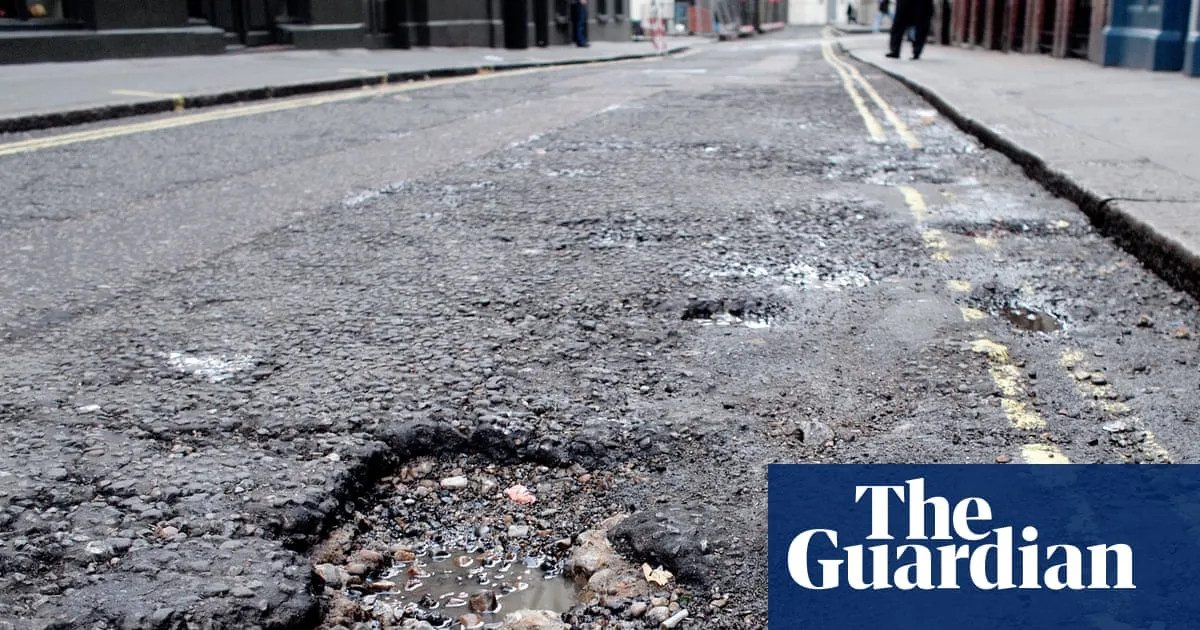
Edward Leigh of Cambridge warns that without increased funding for road maintenance, highway authorities are already caught in a downward spiral. He explains that once cracks and holes appear, they grow rapidly as vehicle wheels act like jackhammers, and water damages lower road layers. This quickly escalates repair costs, making rebuilding inevitable and far more expensive.
Leigh argues that authorities must prioritise and schedule all roads for resurfacing or rebuilding, which will require significantly more funding initially but will reduce reactive repair costs over time. He urges highway authorities to model cost projections to show central government that more funding now will save money in the long run. He stresses that there must be no cutting corners when rebuilding roads, or the cycle will repeat.
To raise extra funds, Leigh suggests levies on road users, utilities that dig up roads, and employers that provide staff parking. While taxes are unpopular, he believes people might accept them if they guarantee better roads and lower insurance premiums. Once maintenance costs fall, surplus revenue could be invested in better bus services.
Anthony Millett of Stockbridge, Hampshire, shares a personal experience highlighting the need for proper repairs. After a water company repaired a pipe outside his home, a nearby pothole around a gully grating was ignored. Weeks later, a council lorry filled it with bitumen without operatives leaving the vehicle, but the repair quickly developed a concave profile. A second crew later manually refilled and compacted it properly.
Millett concludes that the lesson is to do repairs once and do them properly. He calls for better interagency working, allowing road maintenance and utility crews to repair all surrounding potholes regardless of responsibility, with a system for counter-charging. This would make pothole repair more efficient and a better use of taxpayers' money.




