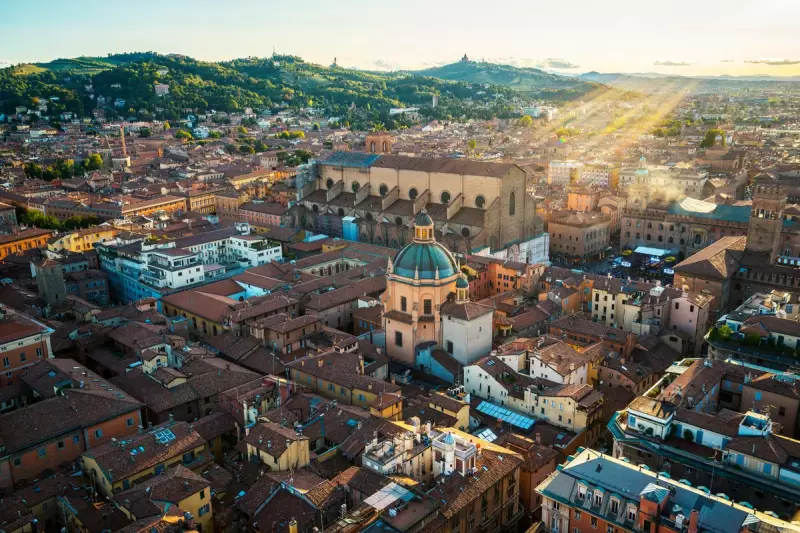
Bologna's Pioneering 30kph Speed Limit Faces Legal and Political Challenges
The historic Italian city of Bologna finds itself at the centre of a heated national debate over urban mobility and road safety. As the first major city in Italy to implement a comprehensive 30 kilometre per hour (19 mile per hour) speed limit across its city centre in January 2024, Bologna has become both a model for progressive transport policy and a lightning rod for political controversy.
Safety Success Story Meets Legal Hurdles
In the year following the implementation of the reduced speed limit, Bologna reported impressive safety statistics that have caught the attention of urban planners across Europe. The city documented a substantial 13 per cent reduction in road accidents and an even more remarkable 50 per cent decrease in traffic fatalities. These compelling figures prompted Italy's capital city, Rome, to adopt a similar 30kph limit in its own city centre this month, following Bologna's successful example.
However, this progress has been challenged by a recent ruling from a regional court. The court sided with a single taxi driver who argued that the slower speed limits had significantly increased his journey times, thereby reducing his earnings. In response, Bologna's centre-left mayor, Matteo Lepore, has committed to preparing a revised ordinance that provides detailed, road-by-road justifications for the speed restrictions as requested by the judicial authorities.

National Political Opposition Intensifies
The controversy extends beyond the courtroom into the highest levels of Italian politics. Transport Minister Matteo Salvini, a prominent figure from the hard-right League party, has voiced strong opposition to what he describes as "ideological war on cars." Speaking on public television channel Rai 1, Salvini argued that 30kph limits and speed cameras should only be implemented in sensitive areas such as near schools or hospitals, rather than as blanket restrictions across urban centres.
"These blanket speed restrictions are unenforceable in practice," Salvini stated. "When people need to commute to work or take their children to school using two- or even three-lane roads, maintaining a speed of just 30kph becomes practically impossible."
In Rome, members of Prime Minister Giorgia Meloni's rightist Brothers of Italy party have called on the city's centre-left administration to abandon the newly implemented 30kph rules, threatening legal appeals if the restrictions remain in place.
Mayor's Commitment to Long-Term Vision
Despite these significant challenges, Mayor Lepore remains steadfast in his commitment to the policy. Following the court ruling, he acknowledged that previous higher speed limits would temporarily return on some streets, but emphasised this would only be until the updated measure receives approval. Lepore envisions Bologna returning to its long-term plan of creating safer, more pedestrian-friendly urban spaces.
The mayor argues that the 30kph limit represents the future of urban mobility across Italy, following the example set by numerous European capitals including London, Brussels, Paris and Helsinki. These cities have embraced slower, safer streets despite facing considerable opposition from motorists and political opponents.
As Bologna prepares its revised ordinance and continues to champion its road safety achievements, the city's experience highlights the complex intersection of urban planning, judicial oversight, and national politics in shaping the future of European city transport policies.