Four in Five Blind People Struggle with Gap at UK Train Stations, Survey Finds
New research from the Royal National Institute of Blind People (RNIB) has uncovered a high level of anxiety around rail travel among blind and partially sighted individuals in the UK. The survey reveals that four in five people in this group have struggled to cross the gap between trains and station platforms, with some experiencing falls and injuries.
Significant Source of Fear and Inconsistent Support
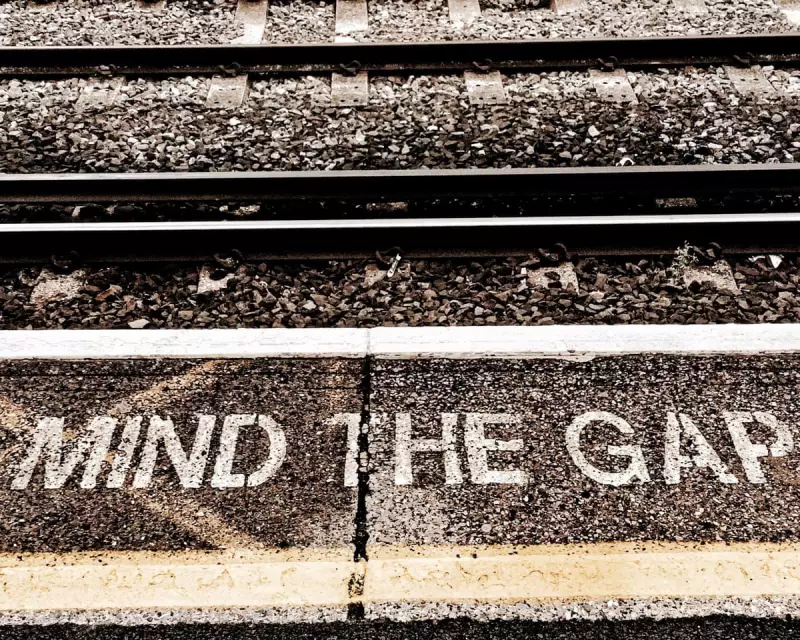
The gap between the platform and trains was identified as a significant source of fear. Incidents reported include people being struck by trains, coming into contact with electric rails, or getting trapped in train doors and dragged as the train departed. More than one-third (37%) of blind and partially sighted people feel unable to take all the train journeys they want and need, largely due to these safety concerns.
Many avoid train travel altogether because of inconsistent experiences with support systems. The research highlights that tactile wayfinding, which uses raised bumps and colours to aid navigation, is less common in British train stations compared to countries like those in Europe and Japan. Only one-fifth of survey respondents said they had encountered such features at stations.

Failures in Passenger Assistance and Information
The report also points to widespread issues with passenger assistance. Two-thirds of the 1,200 participants were regularly left stranded at stations after booking assistance, three-quarters could not rely on rail staff for help and information, and two-thirds were not alerted if a train destination changed while onboard. Rail companies often fail to provide information in formats accessible to blind and partially sighted passengers.
Erik Matthies, the RNIB’s policy lead for travel and transport, who has sight loss, emphasised the need for the government to embed accessibility into the new railways bill, which will pave the way for Great British Railways. He noted that challenging ticket-buying methods, inaccessible stations, and inconsistent gaps contribute to anxious and potentially unsafe journeys.
Personal Accounts Highlight Systemic Problems
Paul Goddard from East Sussex, registered blind since 2008, shared his experiences of regular travel to London Bridge. He expressed anxiety over assistance failures, stating that no one meets him despite bookings, and gate line staff are often disinterested. This leaves him out of pocket with difficulties in claiming refunds.
Khadija Raza, a blind disability campaigner, described seven years of inconsistent train travel without friends or family. At her previous unmanned station, passenger assistance never materialised, causing journeys to take hours longer than planned. She now relies on ticket office staff, limiting her travel times, and always plans extra time for potential issues, leaving her exhausted even after positive experiences.
Calls for Improvements and Comparisons with Other Networks
Raza contrasted her struggles on railways with more efficient experiences on the London Underground, attributing this to a single operator versus fragmented train and station operators. She advocates for disability awareness training for all staff, improved station accessibility, and better audio announcements. The impact of staffing cuts to ticket offices is also notable, with 42% of respondents preferring to buy tickets from a person at ticket offices.
Overall, the RNIB survey underscores urgent needs for enhanced accessibility and support in UK rail travel to ensure safe and inclusive journeys for blind and partially sighted people.