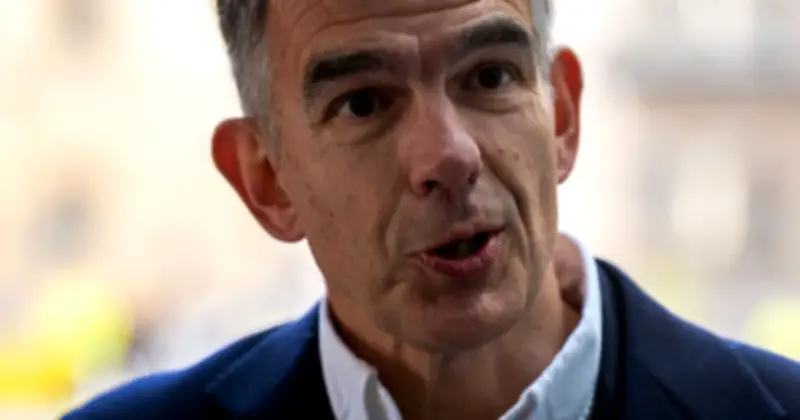
The BBC has outlined a potential timeline for ending traditional terrestrial television, raising concerns for millions of viewers who rely on Freeview services. Director-General Matt Brittin told the Culture, Media and Sport committee that any switch-off—whether in 2034 or 2044—would require a solution for those who have not yet moved to online viewing.
BBC's commitment to universal access
Speaking to MPs, Mr Brittin emphasised that the most important consideration is serving all viewers. "The most important thing is that we can serve everyone," he said. "So whatever the date of switchover, we need to have a solution for those who have yet to switch." He added that broadcasters and the wider industry must collaborate to ensure no one loses access, while any savings from reduced broadcasting costs could be reinvested in programming, journalism, and technology.
Campaigners demand protection for Freeview users
Dennis Reed, from campaign group Silver Voices, called for a government guarantee that no one loses access before any switch takes place. "Before anyone talks about switching off terrestrial television, the Government must be able to guarantee nobody will lose access to free TV through an aerial," he said. "Until that exists, the answer should be simple—protect Freeview and keep it free."
Political pressure mounts
Former Conservative leader Kemi Badenoch also urged caution, saying Labour should think carefully before allowing the BBC to switch off free TV. "Freeview is still the main way that millions get their television, particularly the elderly and those with poor internet connections," she said. "There are plenty of other ways the BBC could save money without making life more miserable for pensioners and those in rural areas."
Changing viewing habits
The debate comes as broadcasters examine shifting audience behaviour, with more people turning to streaming services while many households continue to depend on traditional television platforms. The BBC's consideration of a digital-only future reflects these trends, but the corporation insists it will not leave viewers behind.