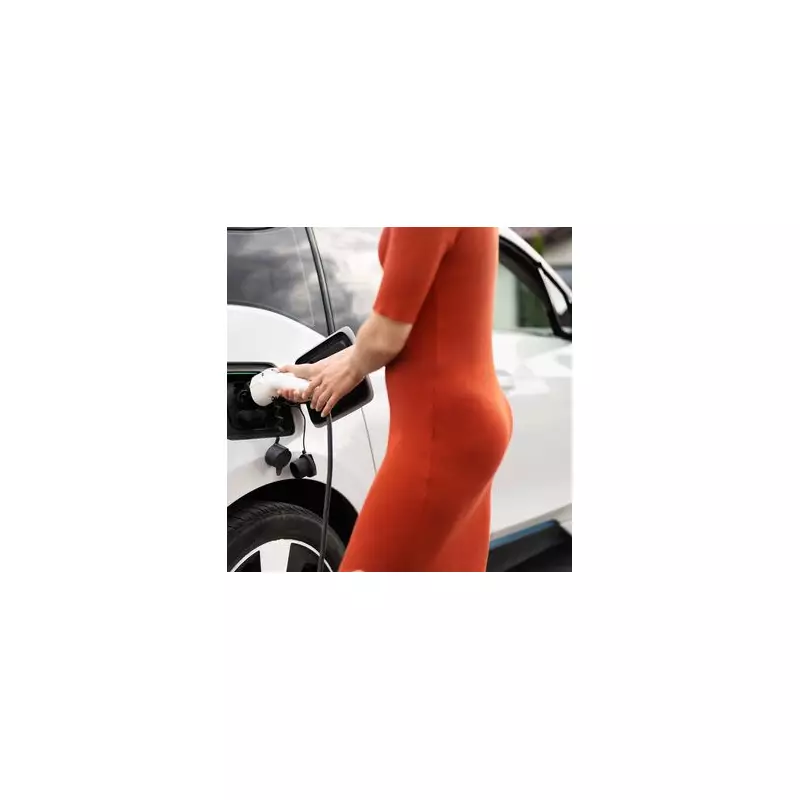
Ministers are facing mounting pressure to introduce a formal battery health certification scheme for used electric vehicles, following a major survey that reveals profound scepticism among potential buyers about battery longevity.
Survey reveals widespread scepticism
A comprehensive poll of 11,833 AA members whose primary vehicle is not electric has uncovered startling levels of distrust in the used EV market. The research, conducted last month in partnership with EV advice platform Electrifying.com, found that a mere 2% of respondents believe electric vehicle batteries typically outlast traditional petrol and diesel engines.
This perception persists despite substantial evidence that modern EV batteries achieve comparable longevity with internal combustion engines, creating what industry experts describe as a "significant gap between perception and reality."

Call for standardised documentation
Ginny Buckley, chief executive of Electrifying.com, has championed the introduction of a clear, standardised measure of battery health that would be independently verified and updated during MOT tests for vehicles over three years old.
"When you sell a house, buyers expect to see an energy performance certificate (EPC), it's a simple way of understanding its energy efficiency," Ms Buckley told the Press Association. "There's no reason why electric cars shouldn't work the same way."
She argued that such documentation would "take much of the fear out of buying a used EV" and could accelerate growth in the second-hand market more effectively than short-term financial incentives.
Confidence crisis in used EV market
The survey findings indicate a severe confidence deficit, with only 3% of respondents expressing confidence in purchasing a used electric vehicle. Ms Buckley attributes this primarily to "lack of understanding" about battery technology and performance over time.
She has criticised the Government for "overlooking" the used EV sector, noting that current policies encouraging the transition to electric motoring "continue to focus almost exclusively on new cars."
"The next phase in boosting the uptake of EVs will be driven by building trust and confidence in the used cars that most drivers buy," Ms Buckley emphasised.
Financial incentives and industry response
The research revealed that 44% of survey participants would be more likely to purchase a used electric vehicle if financial incentives were available, such as the interest-free loan scheme funded by the Scottish Government.
AA president Edmund King acknowledged the "challenging" conditions supporting the shift to electric vehicles, stating: "A big uptick in the sales of used EVs would be a game changer. Drivers need convincing on battery longevity before buying used EVs."
Mr King highlighted existing consumer protections, noting that under the Government's zero-emissions vehicle mandate, manufacturers must provide battery replacement warranties if capacity falls below 70% within eight years or before 100,000 miles.
Manufacturer perspectives and government position
Mark Smith, head of fleet and used cars at Tesla UK and Ireland – which sold the two most popular new EVs last year – acknowledged "some unwarranted scepticism across the industry."
"All our vehicles have a built-in tool for checking the health of the battery," Mr Smith explained. "We hope other manufacturers adopt this thinking, to benefit the transition to sustainable energy."
The Department for Transport was approached for comment by the Press Association regarding the proposals for battery health certification and the concerns raised about the used EV market.
The Government introduced grants of up to £3,750 for new electric vehicle purchases in July last year, but industry leaders argue that similar attention must now be directed toward the second-hand market to achieve broader adoption targets.