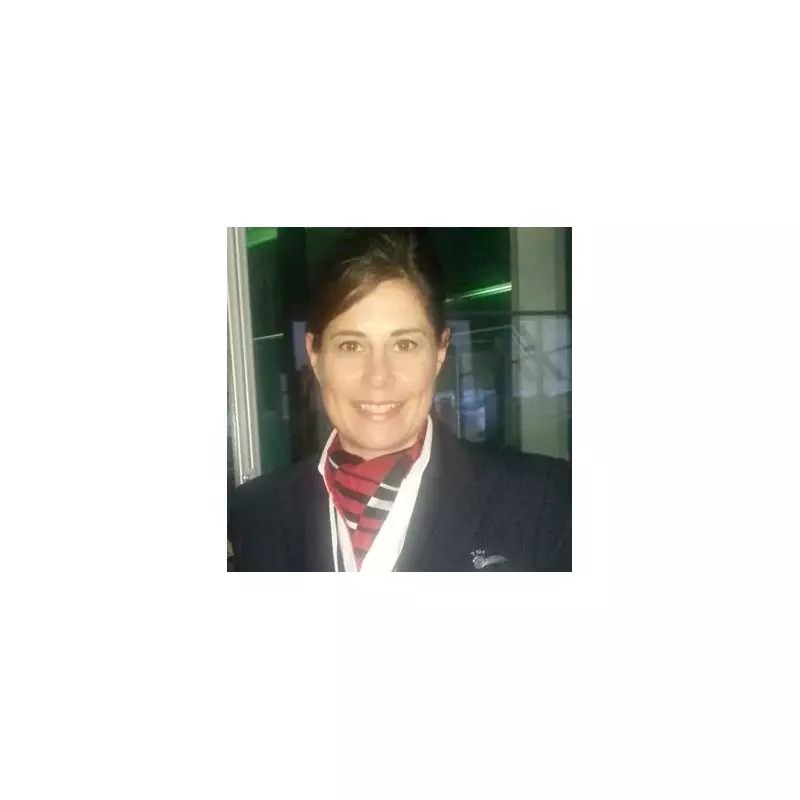
A British Airways stewardess is pursuing legal action against the airline, seeking £72,500 in damages after she sustained serious injuries when severe turbulence violently threw her into the air during a flight. The incident, which occurred on a Boeing 777 service bound for Mumbai, has sparked a contentious court battle over aviation safety protocols and pilot responsibility.
Violent Turbulence Causes Severe Injuries
Laura Lanigan, a 56-year-old veteran stewardess from Richmond, Surrey with nearly three decades of service at British Airways, described experiencing a "violent drop" as the aircraft prepared for landing in June 2019. While working in the plane's galley, sudden and severe turbulence hurled her into the air before she crashed back to the floor, with an unsecured drinks canister then falling on top of her.
The impact resulted in a fractured knee and dislocated shoulder, leaving Ms Lanigan in significant pain. She was eventually removed from the aircraft in a wheelchair following the nine-hour journey from London Heathrow to Mumbai. The stewardess characterised the turbulence as the worst she had encountered in approximately thirty years of flying.

Legal Battle Over Storm Cloud Proximity
Central to the legal dispute is whether the pilot navigated too close to dangerous weather conditions. Ms Lanigan's legal team contends that the aircraft entered the "danger zone" by flying within twenty miles of a cumulonimbus cloud—a large, dark storm cloud known to generate severe turbulence.
Her barrister, Sinclair Cramsie, argued that the pilot should have identified the storm cloud and either diverted further away or instructed cabin crew to sit down and fasten their seatbelts. Expert weather evidence presented in court suggested that, given the low altitude at which the turbulence occurred, it was likely thermal turbulence caused by cumulonimbus clouds.
"We say that the path that was being taken was sufficiently proximate to the cumulonimbus cloud that it was within the danger zone," Mr Cramsie told Central London County Court, where Judge David Saunders is presiding over the case.
British Airways Defends Pilot Decisions
British Airways is vigorously contesting the claim, with the airline's barrister Peter Savory asserting that the pilot made proper observations and followed appropriate procedures. The defence maintains there was no visual evidence of a storm cloud and nothing on the aircraft's weather radar to suggest dangerous conditions.
"The defendant's case is quite simply that the pilot made proper observations," Mr Savory stated. "Whatever they saw, the pilots say it wasn't a cumulonimbus. In using the weather radar on the aircraft, they didn't see anything indicative of a cumulonimbus."
The airline's legal team emphasised that an operating officer on the flight deck reported only seeing "fluffy white clouds" in the sky prior to the incident. They characterised the event as "a single bump of turbulence" and nothing more substantial.
Crew Safety Protocols Under Scrutiny
The trial has brought cabin crew safety protocols under detailed examination. Ms Lanigan testified that although passenger seat belt signs were illuminated approximately forty to forty-five minutes before the incident, as a crew member she used her professional judgment to continue working.
"If you feel you can't put one foot in front of the other, if you feel unsafe, you sit down and strap in," she explained to the court. "I did what I thought was best at the time."
She noted that different thresholds exist for when passengers versus crew members must sit and fasten seatbelts, since staff still need to attend to passenger needs during flights. The stewardess revealed that turbulence had been sufficiently pronounced earlier in the flight to prevent the serving of hot drinks during breakfast service, though the severe movement that caused her injury was "unexpected."
Pre-Flight Warnings and Ongoing Proceedings
British Airways' defence highlighted that crew received multiple warnings about potential weather conditions. Ms Lanigan and other crew members were briefed about possible weather issues before takeoff, with concerns about a cyclone being successfully avoided. A further warning about potentially bumpy weather was issued approximately two hours before landing.

Mr Savory argued that these precautions demonstrated the pilots' awareness of their responsibility to take reasonable care of the crew. "All of these are indicative of the pilots being cognoscente of the need to take reasonable care of the crew," he stated.
The barrister added that neither Ms Lanigan nor any other crew member had indicated that sitting down was necessary or advisable prior to the incident. The legal proceedings continue as both sides present their evidence regarding this significant aviation safety case.