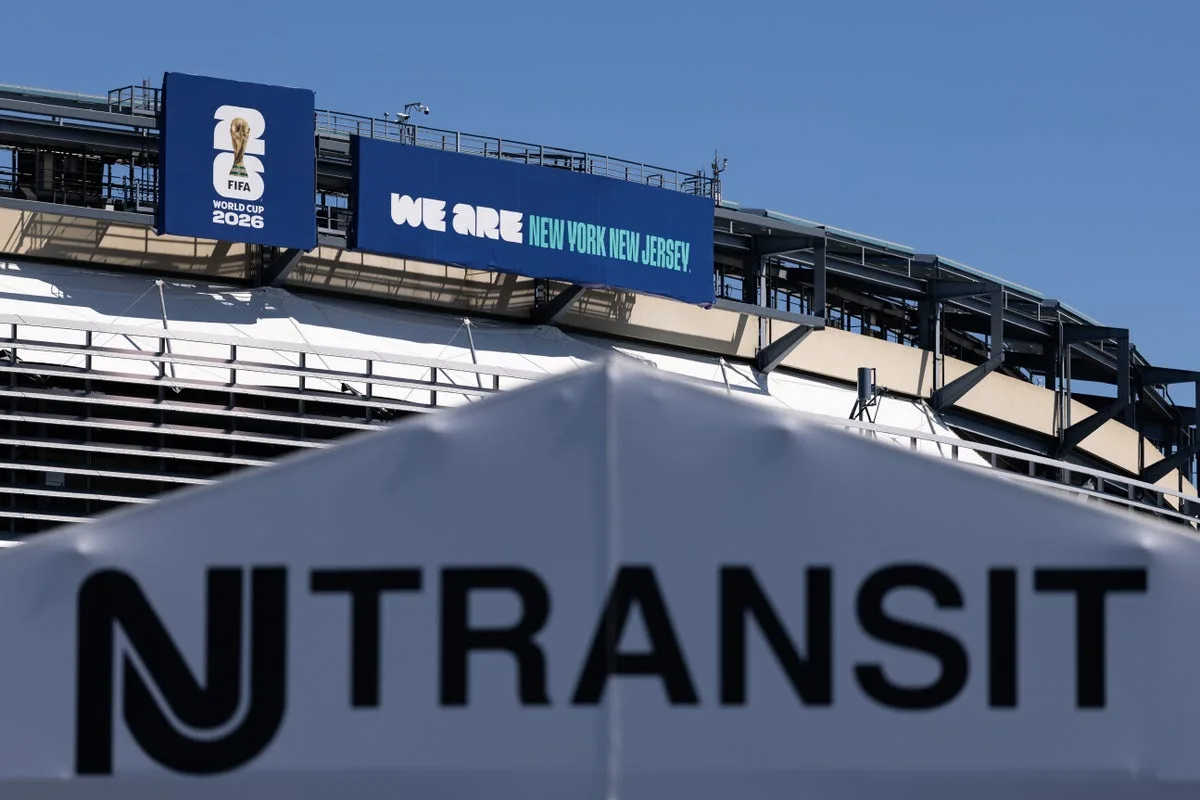
With the 2026 World Cup set to feature 104 matches across 16 cities in the United States, Mexico and Canada, rail and bus operators are preparing for a critical test. Rising airfares, high petrol prices and long airport security queues are expected to drive many fans towards ground transport, offering a rare opportunity to attract new customers.
Conan Cheung, chief operations officer for LA Metro, said the event allows his city to showcase its public transport system. “We want you to be able to use our system seamlessly from the minute you decide to come to the World Cup, all the way into the games, and after that to get home,” he stated. Los Angeles will host eight matches, including the US opener.
Yonah Freemark, a principal research associate at the Urban Institute, noted that many fans from the US and Canada do not regularly use transit. “Transit providers have an opportunity to provide service to a group of people who do not typically use transit on a day-to-day basis,” he said. He stressed the importance of delivering a high-quality, affordable service to leave a positive impression.
FlixBus, which operates Greyhound, reports strong demand for intercity bus travel, with some departures already sold out. CEO Kai Boysan said the company has invested in new buses and technology to ensure a smooth experience. “What is critical here is every Flix experience needs to be a happy one. That’s how we actually grow our business,” he explained.
However, pricing has proved controversial. NJ Transit initially announced a $150 round-trip fare for the 30-minute train from Manhattan to the New Jersey stadium, which will host the final. After public outcry, the fare was reduced to $98, while a shuttle bus was cut to $20. The operator cited $48 million in extra World Cup costs.
Operators face a balancing act between attracting new riders and maintaining capacity for regular commuters. Rising fuel costs may also force price increases, potentially deterring some users. The challenge is to prove that ground transport can be a reliable and affordable alternative to flying.