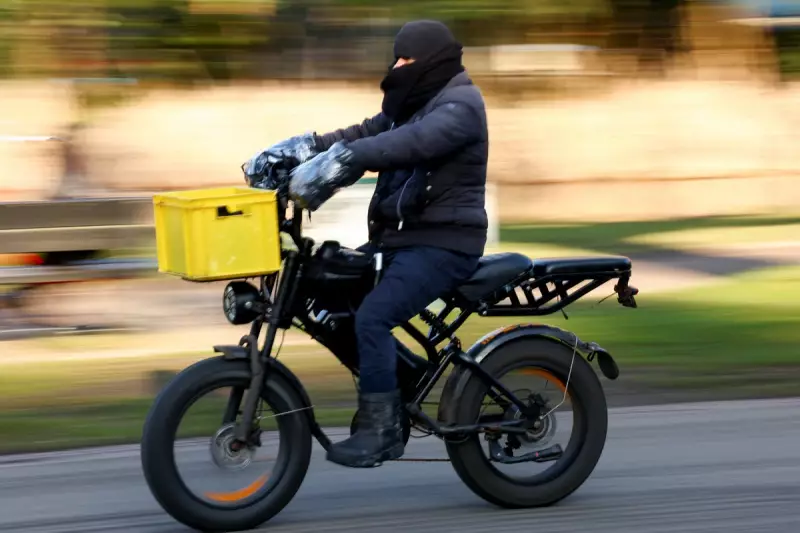
Amsterdam, celebrated globally for its deep-rooted cycling culture, is implementing a significant new restriction by banning oversized electric "fatbikes" from its iconic Vondelpark. This decisive action comes in response to a worrying surge in high-speed collisions and injuries, with city officials pointing to reckless riding behaviours as the primary cause.
Safety Concerns Prompt Municipal Intervention
The proposed prohibition has ignited a heated debate within the Dutch capital. While safety advocates have welcomed the move, many cyclists argue it represents a departure from Amsterdam's traditionally relaxed approach to urban mobility. The powerful electric bicycles, capable of reaching speeds up to 60 kilometres per hour on the city's often narrow pathways, have become a focal point of public contention.
Complaints from Pedestrians and Specific Incidents
Alderwoman Melanie van der Horst, who is leading the initiative, stated she has been inundated with complaints from Vondelpark visitors. The concerns are varied and serious, ranging from elderly individuals expressing fear of being struck to more alarming reports from some women who claim they have been physically slapped by riders as they pass by.

"We observe numerous fatbikes exceeding 50 or 60 kilometres per hour. Their legal limit is 25 kph, making this situation extremely hazardous," Van der Horst explained.
Characteristics and Popularity of Fatbikes
These distinctive vehicles, which feature thick tyres, large battery packs, and heavy frames compared to standard electric bicycles, have gained particular popularity among younger riders and delivery service personnel. Their presence on Amsterdam's streets has grown substantially in recent years.
Cyclists' Reactions and Alternative Proposals
Fatbike owner Sjoerd Jonkers criticised the blanket ban as an excessive measure. He suggested that municipal authorities should instead focus their efforts on prohibiting illegally imported models and bicycles that have been mechanically modified to surpass legal speed limits.
"I thoroughly enjoy riding it. My girlfriend sits on the back, my son on the front—we travel as a family of three on one bicycle. Consequently, I have abandoned using my car," Jonkers told Reuters.
Another rider, Alex Manuputty, who was seen on a bright orange Stoer fatbike in the park, commented on the natural resistance to innovation. "Regulations are necessary. Once established, all cultures—all people—can coexist harmoniously," Manuputty remarked.
The Broader Context of Cycling in Amsterdam
Cycling remains integral to daily life in Amsterdam, with over half of its 800,000 residents using some form of bicycle every day. However, the landscape is shifting dramatically towards electrification. Data from the vehicle association RAI reveals that in 2024, 48% of all bicycles sold in the Netherlands were electric, with an additional 13% being classified as fatbikes.
Medical Evidence and Injury Statistics
Compelling medical research underscores the safety issues. A study from Dutch hospitals in October found that individuals injured while riding fatbikes were 70% more likely to require additional medical treatment compared to those hurt on conventional bicycles. Alarmingly, approximately half of all fatbike accidents involved children between the ages of 12 and 15.
Healthcare Professional's Perspective
Dr. Barbara Swarthout-ten Kate, a family doctor practising in Amsterdam, reported a noticeable increase in concussions and arm fractures linked to these vehicles at her clinic. She advocates for stricter safety measures, including compulsory helmet use and a ban on riders under the age of 16.
"While helmets would undoubtedly improve safety, they might also reduce the perceived 'cool' factor associated with these bikes," she noted pragmatically.
The Amsterdam city council has not yet announced an official implementation date for the Vondelpark ban, indicating that further discussions and logistical planning are likely underway before the restriction takes full effect.