Airlines Impose Post-Booking Fuel Surcharges as Strait of Hormuz Crisis Deepens
The ongoing closure of the Strait of Hormuz has triggered a severe jet fuel crisis, forcing airlines to adopt drastic measures. Spanish budget carrier Volotea has reportedly begun demanding additional fees from passengers who had already booked and paid for their flights.
Volotea's Controversial Fuel Surcharge Policy
According to aviation publication Simple Flying, Volotea has added small fuel surcharges ranging from $8 to $11 (£5.90 to £8.10) and requested payment via email from travelers who had already completed their transactions. The airline appears to be invoking a clause in its conditions of carriage known as the 'Fair Price Promise.'
Section four of Volotea's conditions, titled 'Prices,' includes a 'Fuel Cost Adjustment' clause that outlines how passengers are informed about potential price changes during booking. The clause specifically cites rising fuel prices as justification, stating: 'In the event of extraordinary variations in fuel prices affecting international energy markets, Volotea may apply a limited and temporary adjustment to the ticket price prior to the scheduled departure of the flight.'
The policy further explains that adjustments will be calculated according to published methodology and thresholds, with passengers notified during booking about potential increases or decreases. The exact amount is communicated before departure once fuel cost variations are determined.
Critically, this clause appears to be a recent addition, as earlier versions of Volotea's website from this year did not contain the 'Fuel Cost Adjustment' section. The timing coincides with jet fuel prices surging dramatically since Iran blocked the Strait of Hormuz on February 28.
Global Implications of the Strait Closure
The strategic passage in the Gulf typically handles approximately 20% of global oil and liquefied natural gas supplies. With this vital route effectively closed, airlines worldwide are grappling with unprecedented fuel cost pressures.
While British airlines haven't yet implemented similar surcharges, industry observers suggest they may need to follow Volotea's approach if the crisis persists. A spokesperson for the Department for Energy Security and Net Zero recently told the Daily Mail that jet fuel shipments continue arriving in the UK from multiple sources including India, the United States, and the Netherlands.
Potential Impact on Major Airlines
Travel expert Simon Calder has analyzed how British carriers might respond to potential fuel rationing. He suggests British Airways could adapt techniques used when reducing flights at Heathrow due to poor weather, potentially canceling European routes and offering rebooking options.
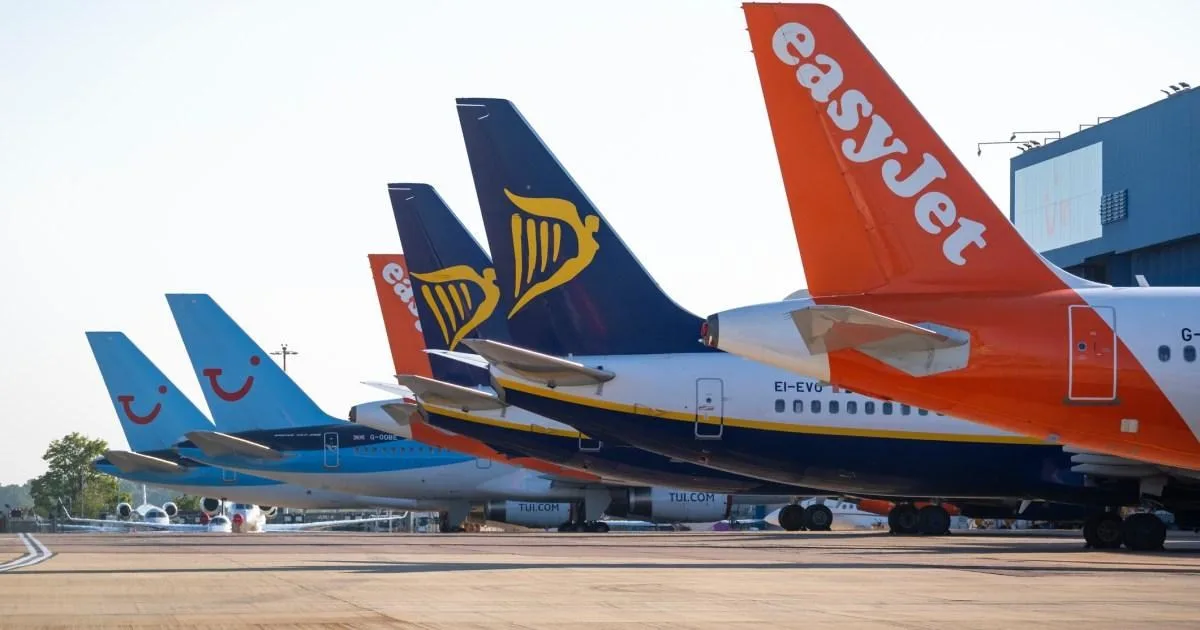
Ryanair's CEO Michael O'Leary has warned passengers about possible disruptions beginning in early May if the conflict continues. Calder believes the budget airline could make 'tolerable' cuts to frequently served routes, similar to when Ryanair canceled approximately 20,000 flights in 2017 due to staffing issues.
EasyJet, another major budget carrier, operates multiple daily flights on routes like Manchester to Amsterdam and could implement selective reductions. Meanwhile, Virgin Atlantic has already increased ticket prices significantly, adding £50 surcharges to economy tickets and raising premium economy and business class fares by £180 and £360 respectively.
Industry Leaders Express Concern
Virgin Atlantic's chief executive, Corneel Koster, described recent failed peace talks between the US and Iran as 'not good news' for aviation. He warned travelers to expect higher prices for months, possibly throughout the remainder of the year.
'We have never seen jet fuel at this level, and airlines cannot sustain those sorts of high costs,' Koster told The Financial Times. 'If the fuel price goes much higher, I think the surcharges may go higher. If they go up in a week and you book in two weeks' time, you'll be paying higher.'
The airline executive also predicted that demand for economy seats would weaken relative to business class tickets as the Middle East crisis continues to strain consumer budgets.
As the situation develops, Volotea's approach may represent an emerging trend in how airlines manage fuel cost volatility during geopolitical crises, potentially reshaping passenger expectations and booking practices across the industry.