Global Airlines Scramble to Fix A320 Software Issue
Airlines across the globe are working to resolve a significant software glitch affecting the widely used Airbus A320 family of aircraft, leading to cancellations and delays heading into the weekend. The urgent action follows an investigation into a JetBlue flight last month that experienced a sudden, alarming drop in altitude.
The Root Cause: Solar Radiation and Software
Airbus revealed on Friday that intense solar radiation could corrupt critical data in the flight control computers of A320 planes. This corruption was identified as a potential factor in the JetBlue incident on 30 October, which resulted in injuries to at least 15 passengers and an emergency diversion to Tampa, Florida. The problem was inadvertently introduced by a previous software update to the aircraft's onboard systems.
In response, both the Federal Aviation Administration (FAA) and the European Union Aviation Safety Agency (EASA) have mandated that airlines install a new software patch. This update impacts a substantial number of aircraft, including more than 500 registered in the United States alone.

Weekend Travel Disruptions and Airline Responses
The timing of the mandatory fix coincides with a peak travel period. In the United States, passengers are returning home from the Thanksgiving holiday, while other regions are experiencing normal weekend traffic. EASA had warned the update could cause "short-term disruption."
American Airlines, which operates 480 A320 family planes, reported that 209 of them required the update. The airline stated the fix takes approximately two hours per aircraft and expected to complete the overwhelming majority by Friday, with a handful finished on Saturday. The carrier anticipated some delays but aimed to limit cancellations.
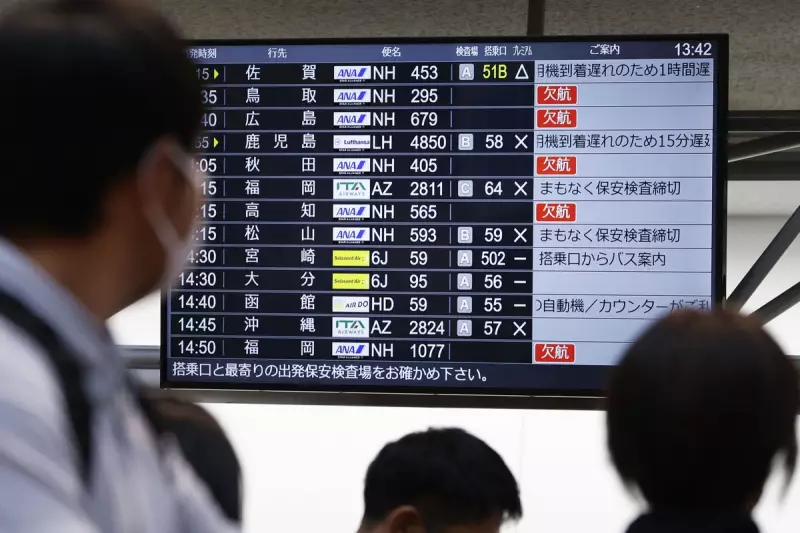
In Japan, All Nippon Airways cancelled 65 domestic flights on Saturday, with potential for more on Sunday. Other carriers reported varied impacts:
- Delta Air Lines expected the issue to affect fewer than 50 of its A321neo aircraft.
- United Airlines said only six planes in its fleet were affected, anticipating minor disruptions.
- Air India stated its engineers had completed the reset on over 40% of its affected fleet.
- Hawaiian Airlines confirmed it was unaffected.
European Operations Returning to Normal
In Europe, the situation appeared to be stabilising quickly. France's Transport Minister, Philippe Tabarot, reported a limited impact and an "almost complete return to normal in French airports" after several updates were installed.
In the UK, disruption was minimal. British Airways said only three of its aircraft required the update. EasyJet indicated there might be schedule changes and would inform passengers if necessary.
Lufthansa in Germany confirmed that most software updates were completed overnight and on Saturday morning, expecting no cancellations but possibly minor delays. Similarly, Scandinavia’s SAS said its flights were operating normally on Saturday after overnight work.
Mike Stengel of AeroDynamic Advisory noted that while the situation was "definitely not ideal" for a ubiquitous aircraft on a busy weekend, the silver lining was that the update only takes a few hours to complete, allowing it to be addressed between flights or during overnight checks.