Public transport networks across the Chicago metropolitan area have been thrown a $1.5 billion annual lifeline to stave off a catastrophic financial collapse. Governor JB Pritzker signed the landmark legislation on Friday, promising to overhaul the region's complex web of buses and trains while preventing devastating service reductions.
Averting the Fiscal Cliff with New Revenue Streams
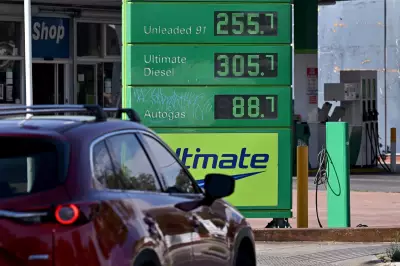
The new law, which will take effect in June 2026, tackles a so-called 'fiscal cliff' created by the expiration of federal pandemic relief funds. It generates the colossal sum through a multi-pronged approach. $860 million will come from redirecting the state's sales tax on gasoline away from road construction and into transit coffers. A further $200 million is sourced from interest earned by the road fund, though this is expected to decrease over time.
Additionally, a sales tax increase of one-quarter percent in Cook County and its surrounding suburban counties is projected to raise another $478 million. Notably, nearly $150 million of the total revenue is earmarked for public transit systems in parts of Illinois outside the six-county Chicago region.

Governance Overhaul and Political Opposition
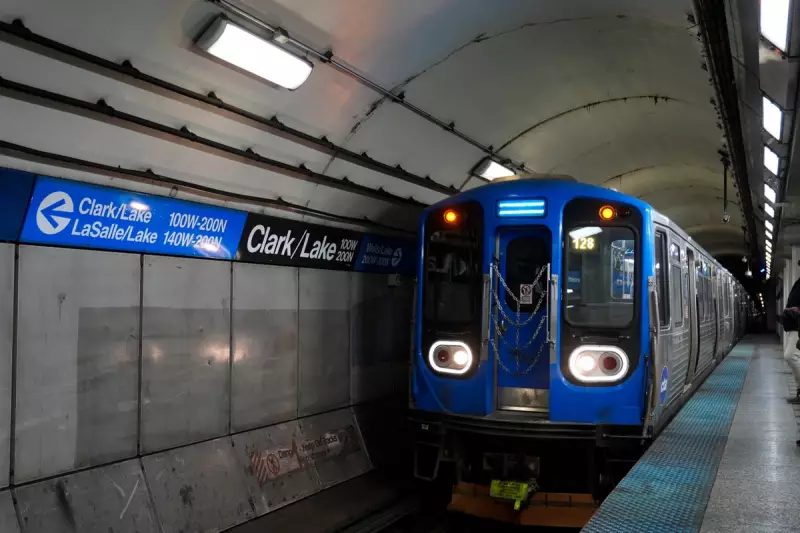
The legislation, formerly known as SB2111, establishes a new overseeing body: the Northern Illinois Transit Authority (NITA). This authority will assume responsibility for regional funding and comprehensive planning, allowing existing operators like the Chicago Transit Authority (CTA), Metra rail, and Pace suburban buses to concentrate on day-to-day performance and reliability.
However, the sales tax element has sparked significant political friction. Republican critics, led by State Senate Minority Leader John Curran, argue it unfairly forces suburban residents to bankroll solutions for Chicago's problems and reduces suburban representation in transit decisions.
Focus on Safety, Accountability, and Integration
Beyond finances, the law mandates concrete improvements, particularly addressing safety concerns in a system recently marred by high-profile crimes. Key initiatives include enhanced cross-jurisdictional law enforcement cooperation led by the Cook County sheriff and the introduction of unarmed 'transit ambassadors' on trains from 2027 to assist riders.
The NITA will be governed by a board with wide representation and will feature a powerful executive director to ensure accountability. It must also undergo regular internal and external audits. A major long-term goal is the creation of a single, integrated fare collection system across all services by the year 2030.
Speaking at the signing ceremony in Chicago's historic Union Station, Governor Pritzker declared the move would preserve affordability and build a safer, more reliable network. "Far from heading toward the abyss, as some predicted," he said, "we are on the verge of delivering a world class transportation network."