
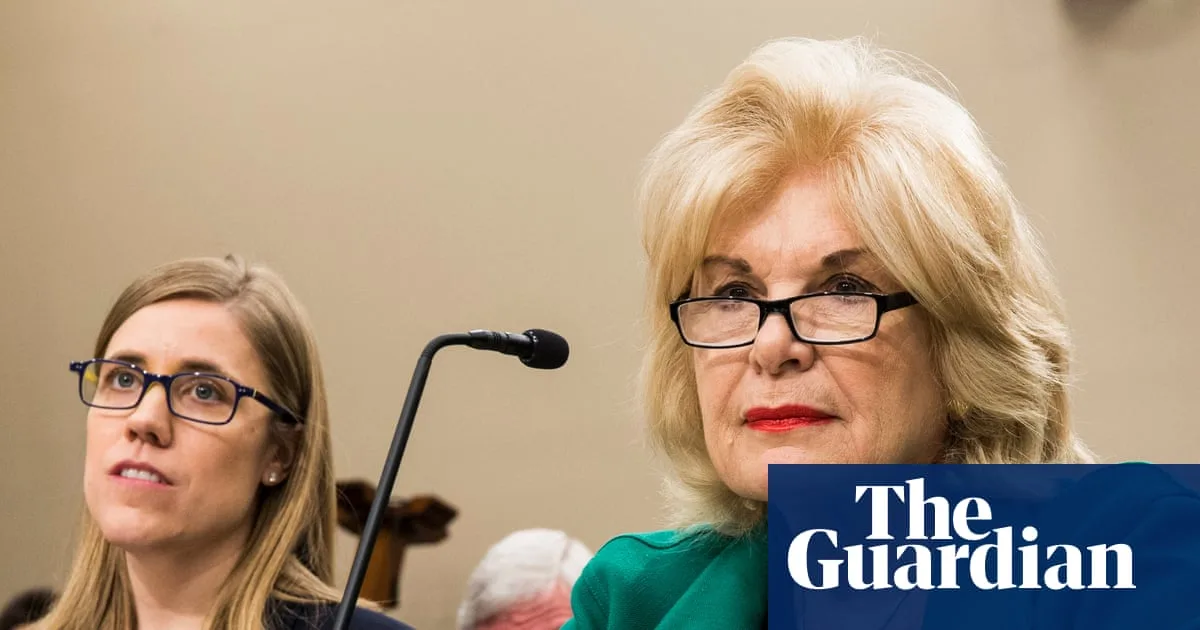
The Corporation for Public Broadcasting (CPB) has formally dissolved after nearly 60 years, following massive federal funding cuts under President Donald Trump. The board of directors voted to dissolve the organisation, which was responsible for allocating funds to NPR, PBS, and over 1,500 local public media stations across the United States.
Patricia Harrison, CPB president and CEO, stated that the board voted to dissolve to protect the integrity of the public media system, rather than allowing the organisation to remain defunded and vulnerable to further attacks. The CPB was established by the Public Broadcasting Act of 1967 and distributed approximately $500 million annually to public broadcasters.
Trump and his conservative allies have long criticised PBS and NPR, accusing them of spreading what they called 'radical, woke propaganda'. In July, Trump warned that any Republican voting against funding cuts would not receive his support. The Republican-controlled Congress subsequently cut $1.1 billion from the CPB, forcing it to shut down operations in August.
The loss of federal funding has sparked a 'rage-giving' spree, with donors sending $70 million to public broadcasters over the past year. However, an analysis suggests that 15% of local stations risk closure within three years without sustained funding. Ruby Calvert, chair of the CPB board, expressed confidence that public media will survive and that a future Congress will address its critical role in education, culture, and democracy.




