Trade can often be a murky and contentious business, with historical examples highlighting the compromises and unsavoury terms that sometimes accompany major deals. In the noughties, Andrew Mountbatten-Windsor served as a special representative for trade and investment despite allegations of associations with convicted gun smugglers, while Peter Mandelson's charm with the wealthy frequently overshadowed concerns about his integrity. These instances underscore the perennial tension between closing lucrative agreements and maintaining ethical standards in international commerce.
Historical Context and Modern Challenges
Britain has long been a trading nation, with evidence suggesting Cornish communities were exchanging tin and copper even before the Roman era. Today, as global trade routes increasingly fall under the influence of emerging powers like China and India, the UK faces a critical juncture: should it continue with traditional, often opaque methods, or strive to reform its approach to foster cleaner, more transparent relationships?
Recent political appointments have raised eyebrows, such as Keir Starmer naming Mandelson as US ambassador last year, a move seen by critics as prioritising deal-making over ethical considerations. Similarly, Liz Truss's appointment of former cricketer Ian Botham as a trade envoy to Australia left many questioning his qualifications for the role.

Calls for Greater Scrutiny and Transparency
Last week, a group of MPs criticised the prime minister for missing an opportunity to demonstrate a commitment to sophisticated and secure trading by rejecting the appointment of a cross-government minister for economic security. Liam Byrne, chair of the business and trade committee and a former Treasury minister, has been vocal about the need for increased scrutiny of trade deals, particularly those involving Chinese companies, to prevent them from escalating into national security threats later on.
Byrne consistently highlights China in his warnings, pointing to the Communist party's calculated and amoral dealings. He emphasises the risks of intrusion, coercion, and espionage that can accompany agreements with large foreign corporations. This concern extends to governments corrupted by natural resource wealth before establishing democratic institutions, as well as the murky financial waters muddied by drug trade profits seeking legitimate laundering avenues.
Robin Cook's Ethical Vision and Its Legacy
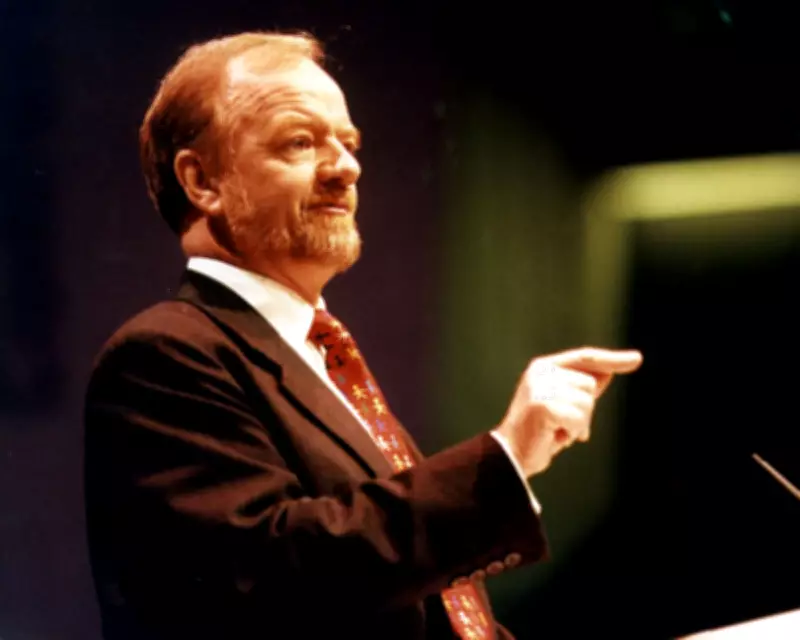
In 1997, Robin Cook, then foreign secretary, aimed to establish Britain as an ethical trading nation. Just ten days after the election, he declared, "Our foreign policy must have an ethical dimension," asserting that political values should not be abandoned in diplomatic pursuits. However, his vision proved short-lived, lasting nearly four years before being overshadowed by expedient deals like the al-Yamamah agreement.
The al-Yamamah deal, a £40 billion arrangement for Tornado aircraft and military equipment signed under Margaret Thatcher's government, later faced allegations of illicit commissions and dishonesty among civil servants. Cook was often labelled naive for his ethical stance, but Byrne's current mission is more focused and pragmatic, yet it raises the same fundamental question: can Britain navigate relationships with major economies like India, China, South Africa, and Brazil without resorting to backroom deals?
Potential Solutions and Ongoing Debates
Some, like the Liberal Democrats, advocate rejoining the EU as a solution, though this faces significant obstacles, as seen with Switzerland and Norway's experiences as rule-takers within the single market. Recently, trade minister Chris Bryant appointed new envoys to France, Germany, and Italy to strengthen ties beyond Brussels, a move that contrasts with his past criticism of "AirMiles Andy" for associations with controversial figures.
While such efforts may secure marginal trade access, Byrne argues that the more pressing issue is protecting the UK from the allure of cheap goods, especially from China, and from major deals in defence, the NHS, and infrastructure that could create future problems. With the UK outside major trading blocs, Beijing's seduction through affordable electric cars, telecoms equipment, and AI is intensifying, as the EU and US impose stricter trade limits.

In response, the UK must develop a systematic approach to procurement, eschewing secret deals and laissez-faire attitudes. This requires a robust framework that prioritises ethical considerations, transparency, and national security to navigate the complex global trade landscape effectively.