

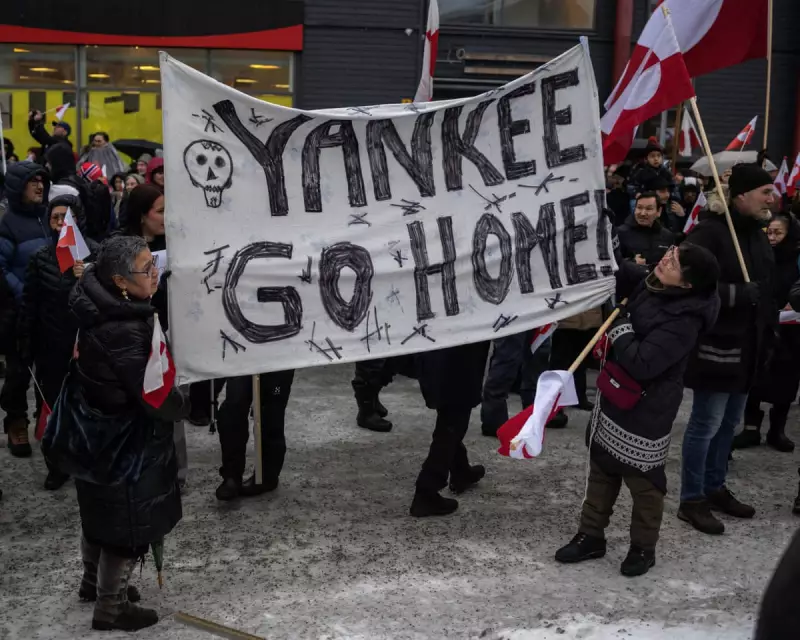
In a move that has sent shockwaves through diplomatic and trade circles, former US President Donald Trump has threatened to impose fresh tariffs on eight European countries, including the United Kingdom and several EU member states. The threat is widely seen as retaliation for their opposition to his ambitions regarding Greenland.
Europe Unites in Rejection of US Pressure
The proposed tariffs represent a direct assault on trade agreements painstakingly negotiated last summer. Crucially, the threat ignores a fundamental principle of EU trade policy: all international trade deals for member states are conducted centrally through Brussels. A spokesperson for the European Council confirmed on Saturday that a joint response to Trump's latest provocation is being coordinated.
Leading the charge in dismissing the US pressure is Swedish Prime Minister Ulf Kristersson. He delivered a firm rebuke, stating clearly that "only Denmark and Greenland decide questions that concern them." This stance underscores Europe's determination to defend its collective sovereignty against what analysts perceive as a blatant attempt to sow division.

Thin Deals and Heavy Consequences
The existing trade arrangements between the US and the affected nations are already limited in scope. The UK's deal, finalised last May, is described as a narrow tariff agreement covering only a select range of products such as cars, beef, and steel. Similarly, the EU's broader pact includes significant carve-outs.
Businesses have already been grappling with existing tariffs, often forced to absorb the costs or pass them on to American consumers. The threat of an additional 10% tariff layered on top would intensify this financial strain, hitting US importers and shoppers hardest. This escalation comes amid sensitive ongoing negotiations aimed at reducing the steep tariffs Trump previously imposed on steel—currently at 25% for UK exports and a staggering 50% for EU products.
A Tactical Move to Quash Opposition
Experts interpret Trump's tariff threat as a strategic manoeuvre. Mikkel Runge Olesen, a senior researcher at the Danish Institute for International Studies, told Sky News that the move appears to be a direct reaction to European nations sending troops to Greenland. "The tariffs match the countries who sent troops," he observed, suggesting the action is a negotiating tactic rather than a genuine prelude to invasion.
The threat highlights the volatile nature of dealing with the former president, who frequently uses economic measures as a political weapon. It also reveals a tension in transatlantic relations: despite a shared interest in countering cheaper Chinese imports, the US has attempted to link trade concessions to Europe rolling back on tech regulations, a demand the EU has consistently rejected.
This latest episode, beginning with Trump's Greenland comments and escalating to tariff warnings, serves as a stark reminder of the instability that characterised his trade policy. As Europe prepares its formal response, the core message from leaders like Kristersson remains clear: matters of territorial sovereignty are not for sale or subject to external economic coercion.






