

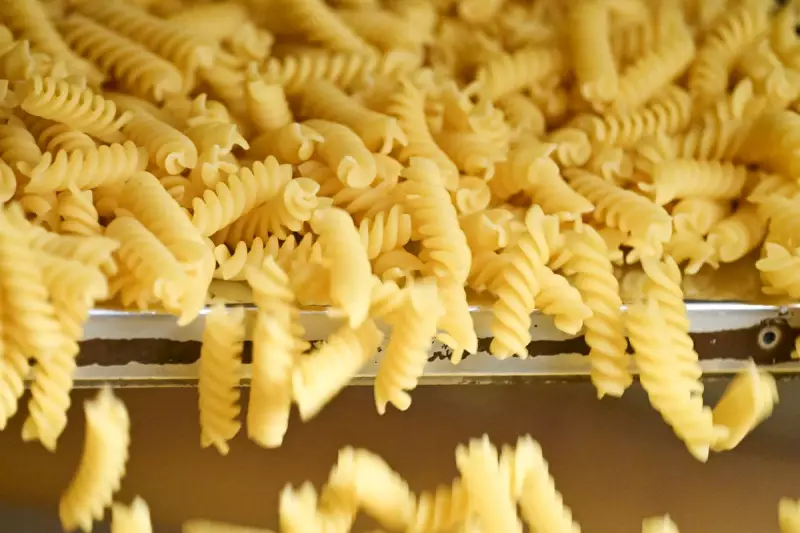
In a significant reversal of trade policy, the administration of President Donald Trump has drastically cut proposed import duties on Italian pasta, marking the latest in a series of tariff climb-downs critics label 'TACO' – Trump Always Chickens Out.
A Dramatic Reduction for Pasta Makers
The US Department of Commerce announced in September that 13 Italian pasta producers would face a punishing tariff rate of 92 percent. This was on top of an existing 15 percent levy applied to all goods from the European Union. The department accused the firms of 'dumping' products in the US market at artificially low prices.
However, following a review and lobbying from the Italian government, the proposed rates have been slashed. La Molisana saw its proposed tariff plummet from over 100 percent to just 2 percent. The rate for Garofalo was set at 14 percent, while the other eleven manufacturers will now face a 9 percent duty. Italy's foreign ministry announced the recalculation on Thursday 1 January 2026.

"The recalculation of the duties is a sign that U.S. authorities recognize our companies’ constructive willingness to cooperate," the ministry stated. The Commerce Department's full review is expected in March.
Political Embarrassment and Economic Stakes
The initial steep tariffs were a source of awkwardness for Italian Prime Minister Giorgia Meloni, who believed her strong political alliance with President Trump would shield Italian businesses from such harsh measures. Italy's pasta export industry is substantial, worth roughly $4.7 billion in 2024, with about $800 million of that coming from sales to the United States.
This pasta tariff rollback is not an isolated incident. It forms part of a clear pattern of delayed or cancelled levies from the Trump White House, leading opponents to coin the acronym TACO.
The Growing 'TACO' Trend
On New Year's Eve, the administration announced a one-year delay for scheduled tariff increases on furniture, vanities, and kitchen cabinets. In November, Trump signed an executive order removing tariffs from more than 200 agricultural staples like beef and coffee. Earlier in the year, a 90-day pause was placed on reciprocal tariffs affecting dozens of countries, including Canada and Mexico.
The White House maintains these adjustments do not signal a failing strategy. National Economic Council Director Kevin Hassett told CNBC in November that the U-turns were "nothing new" and argued that price increases in some sectors were not solely due to tariffs.
The policy shifts occur against a backdrop of voter anxiety over the cost of living. A November Politico survey found more than a third of Trump's own voters believe US living costs are the worst they have ever experienced.
This latest tariff reversal also coincides with a pivotal Supreme Court deliberation. The court is considering whether to strike down Trump's claim of emergency powers to levy tariffs by executive order, a ruling with profound implications for future trade policy.






