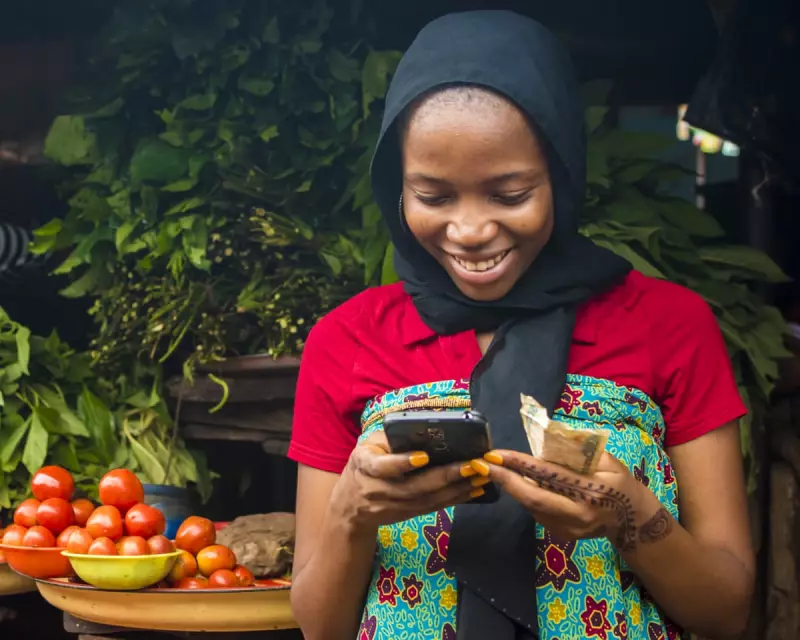
Money transfers sent via mobile phone apps to relatives in Africa are commonly known as the 'black tax'. This practice sees individuals using their salaries to support extended family networks, creating a complex mix of obligation and honour.
The Dual Nature of Remittances: Burden and Badge of Pride
From Senegal to Somalia and Egypt to South Africa, notifications from fintech apps like Western Union or WorldRemit often dictate the financial mood for days or weeks. These transfers, from workers within Africa and the global diaspora, represent a 'black tax' where one person's earnings become a safety net for entire families.
For senders, these payments are both a heavy burden and a profound badge of pride. In Lagos, Nigeria's economic hub, salaried workers reported dedicating an average of 20% of their monthly wages to supporting relatives in a recent survey.

Economic Impacts Across the Continent
In South Africa, with unemployment exceeding 42%, a single wage typically supports nearly four people, according to the Pietermaritzburg Economic Justice & Dignity Group. Research in Kenya highlights how familial financial pressures can lead entrepreneurs to limit business growth to meet these obligations.
Remittances from Africans abroad have become vital, funding essentials like rent, healthcare, and education. Totalling $100 billion in 2022, these flows surpass foreign aid and investment, as reported by the African Development Bank.
Many young professionals pursue lucrative careers not only for personal gain but to build generational wealth, hoping to shield future generations from past hardships.
Personal Stories: The Human Face of the 'Black Tax'
Kenya: A Lifelong Commitment
Anthony Kimere, a 55-year-old Kenyan, has lived in Europe for 36 years, currently driving buses for Transport for London. Over decades, he has supported his extended family by funding grandparents' upkeep, cousins' school fees, and relatives' medical bills.
"You feel obligated to give back because you know the situation," Kimere explains. "Growing up in Timau, central Kenya, I understand the challenges my kin face. We don't all have the same luck." He acknowledges that assisting his large family sometimes strains his finances, noting, "The more people there are, the more frequent problems might be."
Zimbabwe: Building for the Future
Fungai Mangwanya, a 35-year-old data analyst, witnessed hyperinflation in Zimbabwe, motivating him to emigrate to the UK in 2022. He aims to support older relatives and build wealth for future children.
"My grandmother's pension couldn't cover her water bill after 40 years in education," Mangwanya recalls. He now supports his aunt, brother, and a university-going cousin, striving to ensure his future children can pursue opportunities without financial worry.
South Africa: Overcoming Inequality
Mpho Hlefana, a 37-year-old marketing executive, achieved career success early but fears losing everything. Growing up in Soshanguve and later Queenswood, she valued education despite financial constraints.
Post-apartheid, opportunities expanded, yet racial disparities persist; in 2023, average white household income was nearly five times that of black households. Hlefana moved to Johannesburg for better earnings and now focuses on providing her daughters with homes and cars, echoing her parents' aspirations for her to do better.
Policy and Practical Challenges
In West Africa, remittance taxes are emerging, with a 1% levy recently implemented in the US. Eguono Lucia Edafioka, a Nigerian doctoral student, notes that remittances often cover necessities like food and medicine, leaving little choice for senders.
Abednego Kwame, a Ghanaian consultant in New Jersey, budgets for family support and expects the tax won't strain relationships, as relatives appreciate any assistance. Experts warn such taxes could disproportionately affect lower-income migrants already facing high fees.
This 'black tax' phenomenon underscores deep familial bonds and economic realities, shaping lives across Africa and its diaspora with both pride and pressure.