Iran's Strait of Hormuz Assaults Could Devastate Global Economy
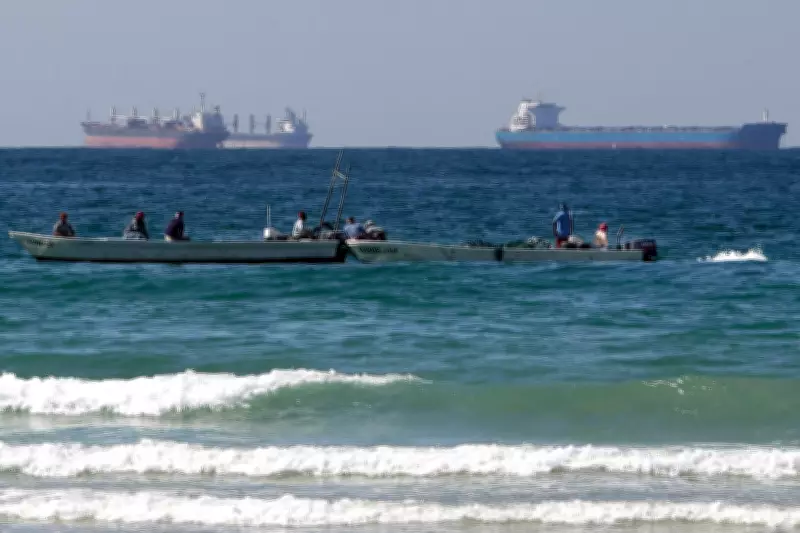
Iranian forces have launched attacks in the Strait of Hormuz, claiming "complete control" over this critical maritime passage. Reports indicate that Iran targeted a US oil tanker in the northern Gulf and issued threats to set fire to any vessels attempting to navigate the strait. This aggressive stance has led to a dramatic reduction in maritime traffic, with estimates suggesting a decline of 80-94% in ship movements through the area.
Strategic Importance of the Strait of Hormuz
The Strait of Hormuz is a vital waterway for global energy supplies, facilitating the transport of approximately one-fifth of the world's oil and one-third of its liquefied natural gas. Any disruption here has immediate and far-reaching consequences for international markets. The current conflict has already triggered significant concerns among economists and energy experts.
Escalating Military Tensions
In response to Iran's actions, the US military torpedoed an Iranian warship in the Indian Ocean, resulting in at least 80 deaths and 100 individuals reported missing. This incident has further intensified the crisis, raising the stakes in an already volatile region. US President Trump has announced that the US Navy will escort oil tankers through the Strait of Hormuz "if necessary" to ensure the free flow of energy resources.

Potential Global Economic Impact
Experts are warning that a prolonged disruption to shipping in the Strait of Hormuz could lead to major global supply chain issues. The reduction in traffic threatens to push crude oil prices "well into triple digits", potentially triggering inflation and economic instability worldwide. The situation underscores the fragility of global energy networks and the geopolitical risks associated with key chokepoints.
The ongoing standoff highlights how Iranian attacks on ships could spark chaos in oil and gas markets, with ripple effects across various sectors. As maritime traffic dries up, the global economy faces unprecedented challenges, making this a critical issue for policymakers and industry leaders to monitor closely.