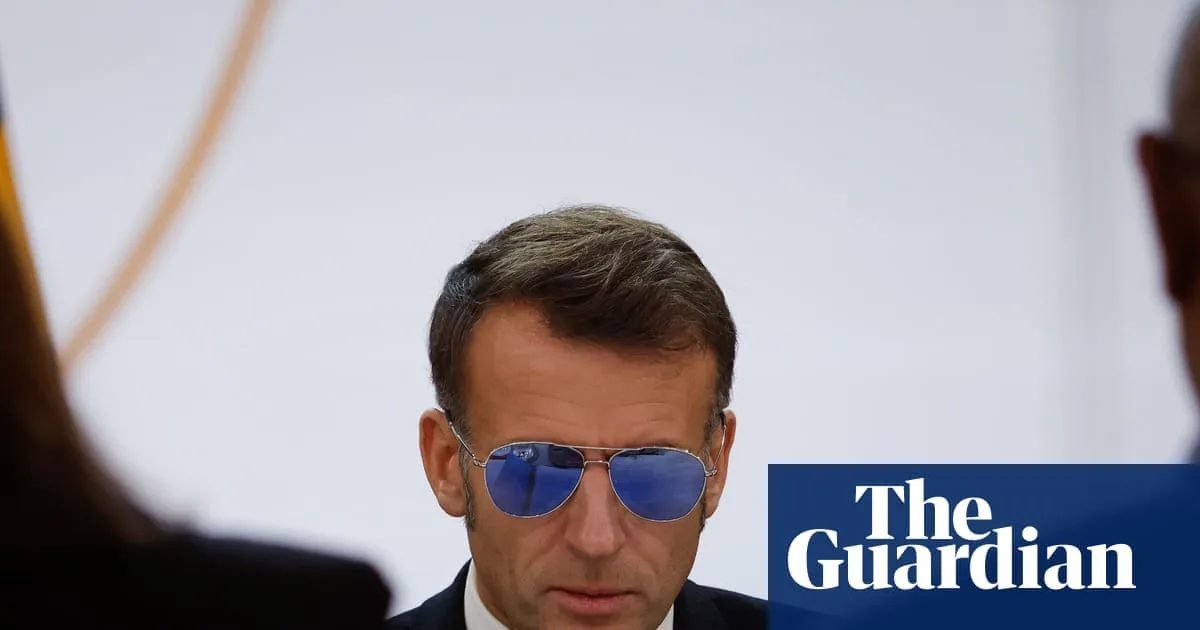
In a significant development for Arctic geopolitics, Greenland has entered a new phase of international relations by finalising major trade agreements with both the United States and France. The deals, confirmed on Wednesday, 7 January 2026, signal a strategic pivot for the vast autonomous territory as it seeks to diversify its economy beyond traditional fishing and Danish subsidies.
A Strategic Shift in the High North
The agreement with the United States is particularly notable, focusing on critical mineral extraction and infrastructure development. Washington has pledged substantial investment in Greenland's mining sector, specifically targeting rare earth elements vital for modern technology and green energy solutions. This move is widely seen as part of a broader US strategy to secure supply chains and counter Chinese dominance in the mineral market.
Concurrently, Greenland has solidified a separate pact with France, centred on sustainable fishing, scientific research, and tourism. The French accord includes commitments to joint climate studies in the rapidly changing Arctic environment and technology sharing for eco-friendly maritime industries. French President Emmanuel Macron hailed the deal as a cornerstone of Europe's renewed engagement with the Arctic region.
Navigating Sovereignty and Climate Realities
These agreements arrive at a complex juncture for Greenland. While it remains part of the Kingdom of Denmark, which handles its foreign and defence policy, the local government in Nuuk has been actively pursuing greater economic independence. The new deals, negotiated with Copenhagen's oversight but driven by Greenlandic priorities, underscore this growing autonomy. Danish officials have expressed support, framing the pacts as beneficial for the entire realm.
The backdrop to these negotiations is the undeniable acceleration of climate change in the Arctic. Record-breaking ice melt is opening new shipping routes and access to previously inaccessible resources, while also threatening traditional livelihoods. The agreements explicitly reference adapting to these environmental transformations, with clauses dedicated to monitoring ecological impacts and supporting coastal communities.
Implications for Arctic Geopolitics
The dual trade deals are likely to reshape the balance of power in the Arctic. The US agreement strengthens its physical and economic footprint in a region where Russia has been increasingly assertive. Analysts suggest it may prompt responses from other Arctic Council nations, including Canada and Norway. The French involvement, meanwhile, reinforces the European Union's strategic interest in the High North, beyond the bloc's existing members with Arctic territory.
For Greenland, the immediate consequence is a projected boost to its economy and job market. However, challenges remain, including managing the environmental footprint of new mining projects and ensuring that revenues directly benefit its small population of around 56,000 people. The government has promised transparent governance of the new funds, with a portion earmarked for education and healthcare.
As the Arctic continues to warm at an alarming rate, the decisions made in Nuuk, Washington, and Paris will have lasting repercussions. These trade agreements mark more than just commercial partnerships; they are a clear indicator of how climate change is actively redrawing the maps of global trade and international diplomacy.




