
The European Union is experiencing a prolonged 'China shock' as a surge in Chinese electric vehicle (EV) imports helped push Beijing's trade surplus with the bloc to a record high. New data shows China's trade surplus—where its exports to the EU exceeded imports from the bloc—reached $83bn (£61bn) in the first quarter of 2026.
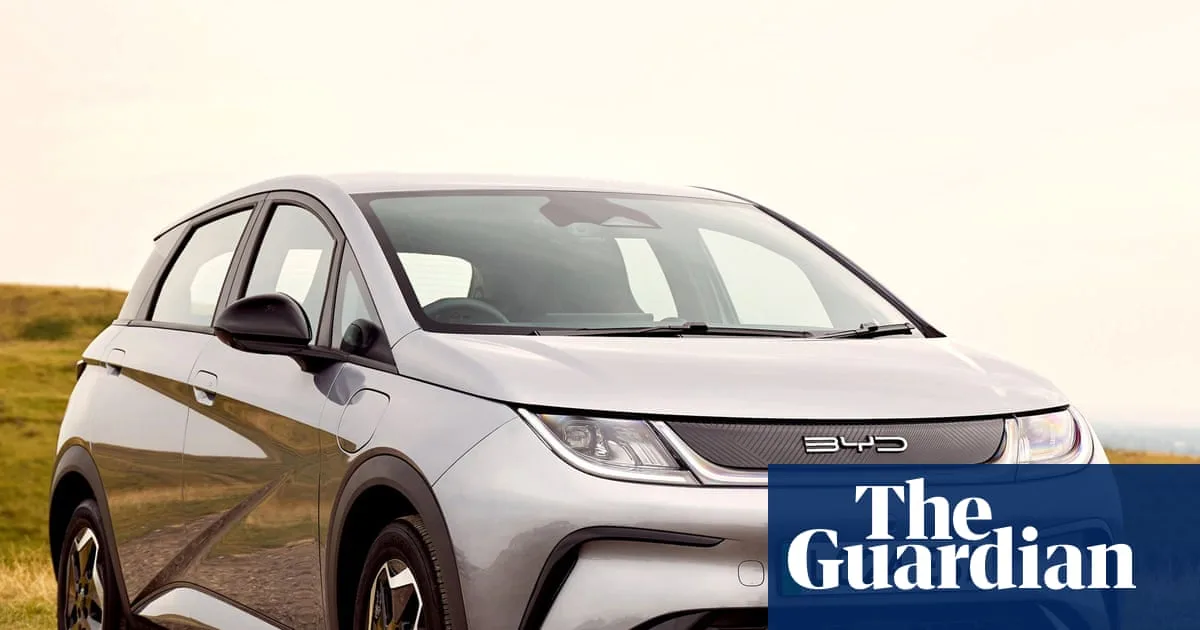
China sold goods worth approximately $148bn to the EU in the first three months of the year, but imported only $65bn, according to analysis by the Mercator Institute for China Studies (Merics). The surplus for the whole of 2025 stood at €360bn. The record was driven in part by strong European demand for Chinese cars, including those from BYD, which has declared its ambition to become the world's largest automaker.
Sales of Chinese electric and hybrid cars almost doubled from $11bn in the first quarter of 2025 to $20.6bn in the same period this year, accounting for a third of all Chinese EV exports. When including the UK, Norway and Switzerland, Europe accounts for 42% of Chinese EV sales, which surged 50% in March following the Iran war.
Merics noted that China's economy has shown resilience amid the Iran war, posting its largest quarterly growth figures since 2022. Although China imports much of its oil from the Gulf, where traffic through the Strait of Hormuz has nearly halted, it has been less affected than other Asian countries and has tapped into substantial reserves. 'So far, China's trade with the world has been barely affected by the conflict in the Middle East,' Merics said.
The EU has proposed a 'Made in Europe' industrial strategy to protect strategic sectors, but China has warned it will retaliate with countermeasures if the new laws discriminate against Chinese exports. The European Commission insists the legislation complies with WTO rules and expects mutual openness. Over the past three years, the EU has pursued a 'good cop, bad cop' strategy with Beijing, courting investment while arguing for derisking the trade relationship.
Brussels has imposed tariffs of up to 35% on some Chinese car brands and introduced initiatives to reduce reliance on rare earths, such as permanent magnets, where China still accounts for 93% of imports. However, industry leaders have noted the ineffectiveness of EU trade measures, with one executive warning that the EU may as well 'be a province of China' due to its reliance on imports.




