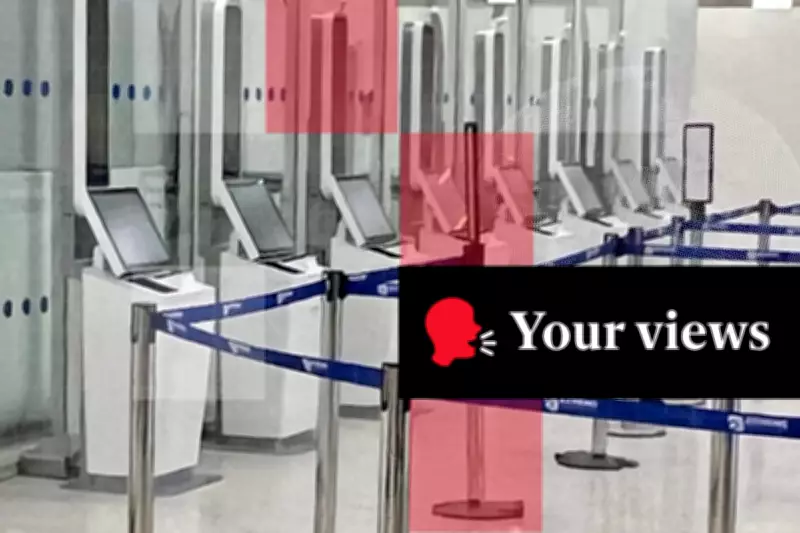
EU Entry-Exit System Sparks Border Chaos: Readers Report Delays and Confusion
The European Union's new Entry-Exit System (EES) has triggered a wave of disruption and mixed reactions from British travellers, with reports of significant delays, confusing procedures, and technical glitches at major airports. As the digital border scheme continues its long-delayed rollout, Independent readers have shared their firsthand accounts, highlighting a patchwork of experiences ranging from smooth crossings to border control nightmares.
Chaotic Queues and Inconsistent Implementation
Many travellers described disorganised queues and uncertainty at airports like Munich and Pisa, where passengers were unsure whether to join lines for EES kiosks or traditional border control desks. In some instances, long waits led staff to abandon biometric checks altogether, reverting to manual passport stamping to ease congestion. Readers pointed to staffing shortages and technical failures as primary causes of the disruption, with inconsistent application between airports and even between inbound and outbound journeys exacerbating the confusion.
Technical Failures and Design Flaws
Several contributors criticised the system's design, arguing that requiring all passengers to use kiosks regardless of prior registration creates unnecessary bottlenecks. Technical issues were widespread, with reports of machines failing to read passports—particularly older red UK passports—and inexperienced operators struggling to diagnose problems. Some readers suggested a more streamlined approach using pre-registered data and automated e-gates could significantly improve efficiency and reduce delays.

Reader Experiences: From Smooth Crossings to Lengthy Ordeals
Trouble with Old Red Passports: One traveller to Amsterdam reported issues with an old red passport, where a machine could not detect a pinky finger, leading to manual processing and a shrug from border staff. The passport also caused problems on return to Manchester due to folding in the machine.
Border Control Nightmare: At Munich Airport, a massive hub, third-country nationals faced chaotic queues for EES kiosks, with many unsure where lines began or ended, creating a nightmare scenario for both passengers and staff.
Brexit Blame: At Pisa Airport, a traveller endured over an hour's wait on arrival, with only two staff members handling UK flights. An airport official reportedly shrugged and cited Brexit as the cause of the holdup, though the return journey was quicker despite biometric checks.
90-Minute Delays: In Athens, a passenger faced a 90-minute queue to reach a desk, only for the official to simply stamp the passport without biometrics, questioning the system's consistency.
Typical IT Disaster: One reader labelled the EES a typical IT disaster, blaming poor design by non-technical committees and suggesting a simpler solution using RFID chips and facial recognition software.
Lucky Escape: At Turin Airport, a traveller experienced a relatively smooth half-hour process but was unexpectedly asked for a residence permit—a first in 40 years of living in Italy—hinting at possible vendettas against the new system.
The Biggest Flaw: Critics highlighted the requirement to visit an EES kiosk every time as a major flaw, arguing that repeat users with up-to-date registrations should be able to proceed directly to e-gates to avoid long queues.
Long Waste of Time: In Funchal and Athens, travellers reported repeated fingerprint and photo scans, leading to hour-long waits even during off-peak times, with concerns about how airports will cope during the busy holiday season.
Faulty Machines and Manual Checks: At Schiphol Airport, a faulty machine caused delays, with an inexperienced operator taking time to realise the issue was with the equipment, not the passports. Manual inspections and stamping added to the inefficiency.

Looking Ahead: Calls for Improvement
As the EU Entry-Exit System continues to roll out, travellers are calling for more consistent implementation, better staffing, and design refinements to streamline the process. With the holiday season approaching, the pressure is on to address these issues before delays become even more widespread. Readers are encouraged to share their views and experiences to help highlight ongoing challenges and push for solutions.