EU's New EES Border System Sparks Three-Hour Airport Delays, Fuel Shortage Fears
EU EES Border System Causes Major Airport Delays and Fuel Concerns

EU's New EES Border System Sparks Three-Hour Airport Delays, Fuel Shortage Fears

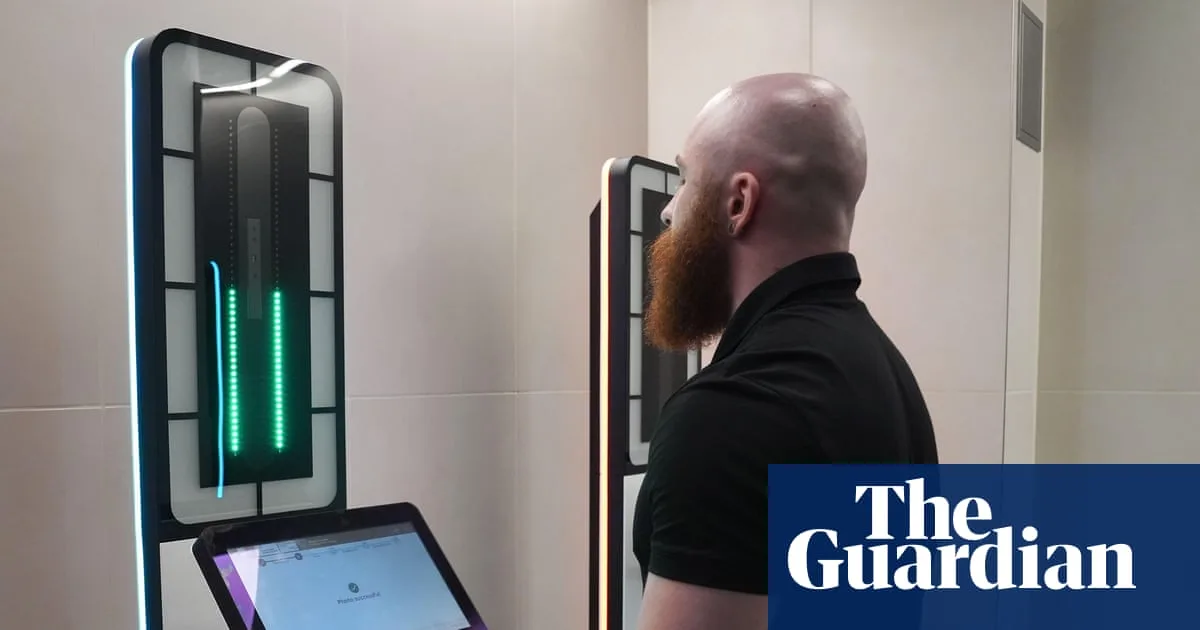
The European Union's newly implemented Entry-Exit System (EES) has triggered significant disruptions at airports across the continent, with travellers facing waits of up to three hours at border checks. This system, which requires non-EU passengers to register personal information and biometrics, came into full effect on 10 April in Schengen countries, including 25 EU states plus Iceland, Liechtenstein, Norway, and Switzerland.

Airport Council International Raises Alarm Over Unmanageable Queues

According to the Airports Council International (ACI), airports in nations such as France, Germany, Belgium, Italy, Spain, and Greece are experiencing prolonged delays. Olivier Jankovec, director of ACI's European division, highlighted the severity of the situation in an interview with the Financial Times, stating that queueing times are already problematic during peak periods and are expected to worsen over the summer months. He described the scenario as "simply unmanageable" in the coming weeks.

The ACI has formally requested the power to suspend EES checks entirely when excessive waiting times occur. Jankovec emphasised the need for flexibility, arguing that authorities must be able to "fully suspend EES registration whenever there are excessive waiting times at border control that are just unmanageable."

Wide Pickt banner — collaborative shopping lists app for Telegram, phone mockup with grocery list

Contrasting Views on System Performance

While the European Commission maintains that the EES is functioning well overall, with an average registration time of 70 seconds per passenger, the ACI disputes this, claiming the process can take up to five minutes. A commission spokesperson acknowledged "a few member states where technical issues have been detected" but assured that these are being addressed. They noted that since its partial introduction in October, the system has registered over 52 million entries and exits, with more than 27,000 refusals of entry, including nearly 700 individuals identified as security threats.

Incidents of disruption have already been reported, such as over 100 passengers missing an easyJet flight from Milan to Manchester due to passport desk delays. In the lead-up to Easter, travellers from the UK to France were exempted from biometric requirements because of technological delays in France's data processing capabilities.

Broader Context: Jet Fuel Shortages and Industry Criticism

The EES issues coincide with warnings from the ACI about potential jet fuel supply disruptions, stemming from blockades in the Strait of Hormuz. The council has predicted that Europe could face systemic shortages within three weeks, given that approximately 75% of the continent's imported jet fuel originates from the Middle East. Europe consumed around 1.6 million barrels per day of jet fuel last year, with about 500,000 barrels imported.

Industry leaders have voiced strong criticism of the EES. Michael O'Leary, CEO of Ryanair, Europe's largest airline, reported queues of up to four hours at some airports, labelling the system "a shit show and a shambles" and attributing it as a punishment for Brexit. He has urged the EU to postpone the full implementation until October to mitigate further travel chaos.

As airport representatives and the European Commission continue discussions, the dual challenges of border delays and fuel shortages threaten to impact summer travel significantly, raising concerns over flight cancellations and broader economic effects on the tourism and airline sectors.

Pickt after-article banner — collaborative shopping lists app with family illustration




