EES and Etias: Key Dates for British Travellers to Europe Explained
The European Union has officially launched its Entry-Exit System (EES), with significant implications for British citizens travelling to the Schengen area. The system, which began operation on 12 October 2025, is set for full implementation affecting UK travellers by 10 April 2026. This marks a substantial shift in border procedures for millions of British visitors to Europe each year.
What is the Entry-Exit System (EES)?
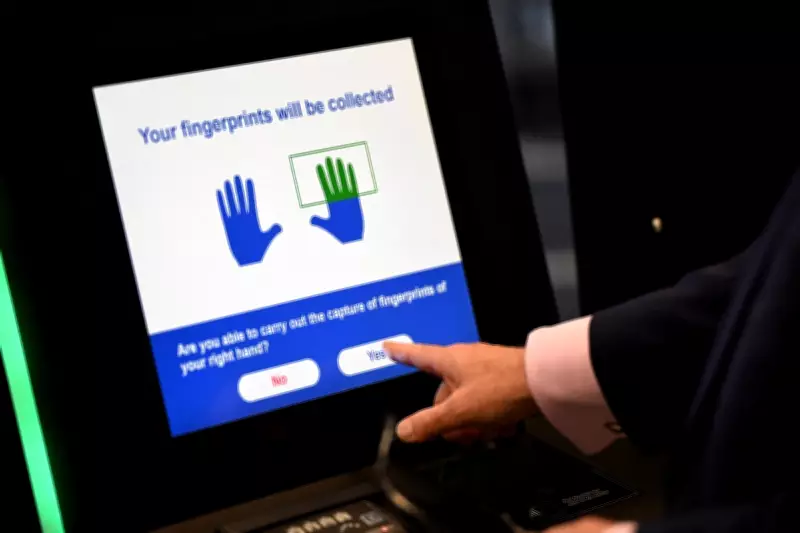
The EES will require British citizens to undergo comprehensive biometric checks upon their first entry and subsequent exits from the Schengen zone. These checks include fingerprint scans and facial recognition technology, designed to create a digital record of each traveller's movements. The system aims to enhance security measures, combat irregular migration, and ensure strict compliance with short-stay visa rules, which limit visits to 90 days within any 180-day period.
Timeline for Implementation
The rollout follows a phased approach. After the EES becomes fully operational for British travellers in April 2026, the European Travel Information and Authorisation System (Etias) will be introduced approximately six months later, around October 2026. However, Etias will not become mandatory for UK visitors until about six months after that, estimated for April 2027. This staggered timeline allows for system testing and traveller adaptation.

Details of the Etias Permit
Etias is an online travel authorisation permit that will cost €20 and remain valid for three years. It will be required for all British citizens travelling to Schengen countries for short stays. Exemptions apply for travellers under 18 or over 70, who will receive the permit free of charge. The application process is expected to be digital, requiring personal information and travel details, with most approvals granted within minutes.
Potential Impacts on Travel
These new systems are likely to result in longer processing times at border crossings, particularly during peak travel periods. Travellers should anticipate additional steps at airports, ports, and land borders, where biometric data collection may add minutes to each individual's clearance process. Authorities recommend allowing extra time for journeys and ensuring all documentation is in order well before departure.
Security and Compliance Objectives
The dual implementation of EES and Etias represents the EU's broader strategy to strengthen external border management. By digitally tracking entries and exits, authorities aim to identify overstayers more efficiently and prevent security threats. The systems also help enforce the 90/180-day rule automatically, reducing administrative burdens on border staff while increasing compliance monitoring capabilities.
British travellers planning European trips in 2026 and beyond should mark these key dates in their calendars and prepare for the new requirements. While the changes may initially cause some inconvenience, they are designed to create a more secure and streamlined travel environment across the Schengen area in the long term.