Cubans Embrace Self-Sufficiency as US Sanctions Intensify Economic Pressure
Cubans are increasingly hustling to become more self-reliant as the United States government tightens its economic grip on the communist-run island. Experts suggest this move is designed to provoke a popular uprising and facilitate a change in government, pushing citizens towards innovative survival strategies.
Survival Tactics in the Face of Adversity
A significant escalation in US sanctions has already placed immense strain on Cuban society. This pressure was compounded when critical oil shipments from Venezuela were disrupted following US military actions against the South American nation. While the long-term impacts of these halted shipments are still unfolding, Cubans are not waiting idly.
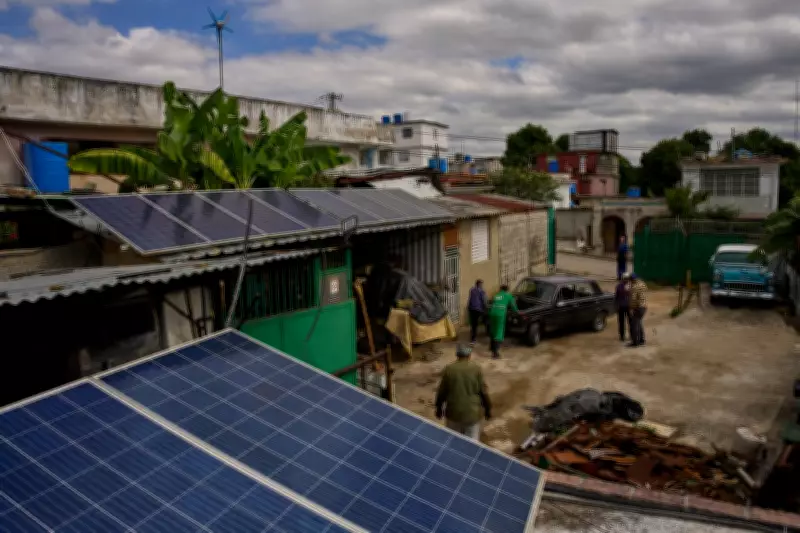
Many are installing solar panels to combat severe blackouts, while others are growing their own crops or reverting to simpler lifestyles that eschew modern technology and petroleum dependence. "It's how you survive," remarked Jose Ángel Méndez Faviel. "It's best to depend on yourself."

Méndez recently relocated from central Havana to a farm in Bacuranao, where he can cook with firewood and charcoal—a practical solution in a city plagued by power outages. He is stocking up on essentials like gasoline, charcoal, and homegrown produce, and even considers repurchasing his old horse to reduce reliance on fuel for transport. "You don't need fuel for a horse," he noted. "We need to go back in time."
Economic Crisis and Resilience
Before the disruption in Venezuelan oil supplies, Cuba was already grappling with chronic blackouts, soaring prices, and shortages of basic goods. Experts warn of a potentially catastrophic economic crisis, with some questioning if the island is nearing its breaking point. US President Donald Trump has reinforced this narrative, imposing tariffs on countries aiding Cuba and declaring, "Cuba is really a nation that is very close to failing."
However, Cubans dismiss such assertions, drawing strength from past hardships like the "Special Period" of the 1990s. Yadián Silva, a nurse and classic car driver, emphasised that Cubans are not easily swayed by external pressures. "We have problems, and we know we have a lot of problems," he said. "But when things happen in Cuba, it's because people truly feel they should happen."
This resilience was showcased in a recent march honouring national hero José Martí, where tens of thousands, including university students, demonstrated their defiance. Sheyla Ibatao Ruíz, a 21-year-old law student, declared, "We are a dignified people... who do not believe in threats and are not intimidated by any reprisals from the enemy."
Innovation and Adaptation in Daily Life
Amid the crisis, entrepreneurial spirit is flourishing. Ángel Eduardo launched a solar panel installation business, "Con Voltage," after growing frustrated with studying in the dark. He has since installed dozens of systems across Cuba, with demand surging post-Venezuela oil disruptions. "I saw a surge in calls from people in Havana," he explained, highlighting the shift towards renewable energy.
Similarly, Niuvis Bueno Zavala, a retired interpreter, contemplates expanding her small seaside shack to sell homemade food as economic conditions worsen. "I've never had it this hard," she admitted, noting the challenges of international isolation.
Many Cubans criticise the longstanding US embargo, with retired pilot Pedro Carbonell exemplifying the enduring spirit. After waiting hours for gasoline, he reflected, "If we don't have fuel, then we'll ride bicycles." He added, "Our wine is bitter. But it's our wine... we don't want anyone from somewhere else telling us how to drink our wine."
Political Tensions and Future Prospects
US officials, like Deputy Secretary of State Christopher Landau, express hope for change, stating, "We hope that by 2026, Cubans will finally be able to exercise their fundamental freedoms." Yet, Cubans remain steadfast, with community actions and self-reliance defining their response to external pressures.

As the economic vise tightens, the island's people continue to adapt, blending tradition with innovation to navigate an uncertain future.