Beaches are universally celebrated as idyllic escapes for sunbathing, swimming, and relaxation. Yet, for some stunning coastal spots, this tranquil reputation masks a far more hazardous reality. From predatory wildlife and powerful currents to severe pollution and security threats, certain shores demand extreme caution from visitors.
Global Hotspots for Hazardous Seas
Across the globe, several beaches are notorious for their dangers. In Mumbai, India, Juhu Beach is a vibrant hub for Bollywood elites and sunset watchers, famous for its casual cricket and street food. However, it faces a severe pollution crisis. A 2023 study found that over 75% of the waste on Juhu and nearby Aksa Beach was plastic. A single clean-up in January 2024 collected a staggering 200kg of litter. The Arabian Sea here also harbours strong undertows, making swimming a risky endeavour.
On the other side of the world, Sydney's Tamarama Beach, affectionately nicknamed 'Glamarama', is a picturesque stop on the Bondi to Coogee walk. Despite its beauty and cultural events like Sculptures by the Sea, it is officially one of Australia's most dangerous patrolled beaches. The threat comes from deep water and powerful, frequent rip currents that can swiftly pull swimmers out to sea.

Predators and Perilous Currents
In South Africa, Second Beach, Port St Johns, offers breathtaking scenery with sea stacks and forest hikes. Yet, its beauty is overshadowed by a deadly reputation. The beach has been the site of multiple fatal shark attacks, earning its status as one of the world's deadliest shores. While recent years have seen no shark fatalities, the area remains unsafe for swimming due to strong and unpredictable riptides.
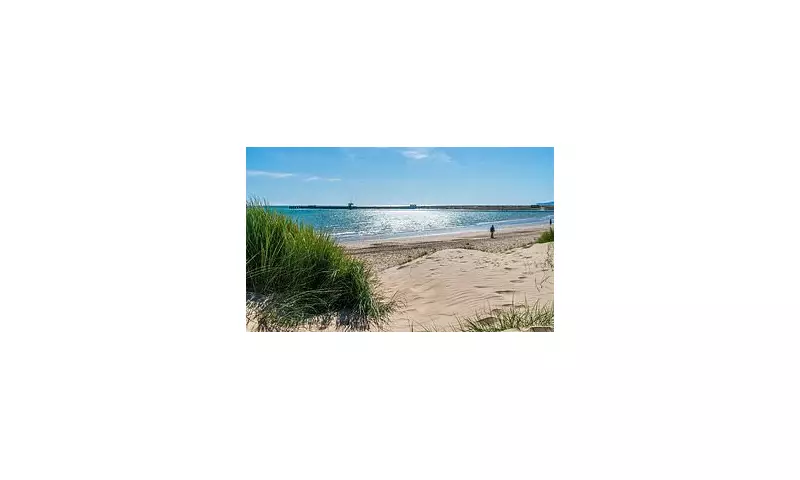
Closer to home for British travellers, Camber Sands in East Sussex is a beloved UK seaside destination. However, its wide, inviting expanse is deceptive. The beach is known for its dangerous riptides and strong currents. Its shallow, shelving sands and undulating sandbars create powerful undertows and rapidly incoming tides. Deep channels can form between sandbars, trapping unwary visitors as the water rises. Authorities advise swimmers to only enter the water in areas marked by red and yellow flags during the summer lifeguard season.
Security Threats in Paradise
Beyond natural dangers, some locations carry security risks. The Lamu archipelago in Kenya is renowned for its pristine beaches, historic Swahili culture, and serene dhow sailing. However, the area gained notoriety in 2011 following the kidnapping of several Western tourists by al-Shabaab militants. Although the UK Foreign Office no longer advises against travel to Lamu Island, its perceived proximity to recent security incidents on the mainland continues to affect its appeal.
These destinations serve as a crucial reminder that even the most beautiful coastal escapes can harbour significant risks. Whether planning a holiday abroad or a day trip to the British coast, understanding these hazards is the first step towards a safe and enjoyable visit.