
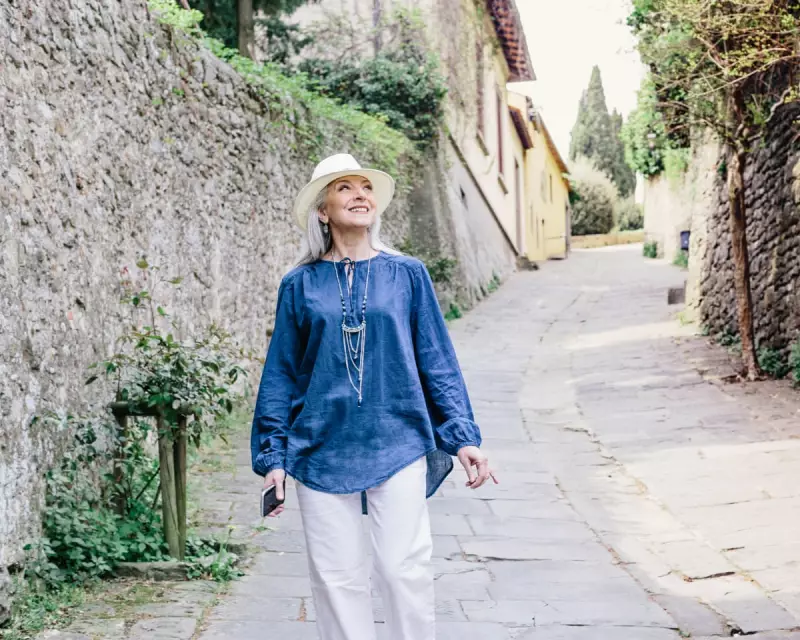
In a quiet revolution sweeping across British households, a growing number of women are packing their bags for holidays that don't include their partners or children. This isn't about girls' trips or hen dos – this is about women consciously choosing to travel completely alone, prioritising their mental wellbeing over traditional family obligations.
The unspoken truth about family holidays
For many women, the reality of a family holiday bears little resemblance to the idyllic scenes portrayed in holiday brochures. Rather than relaxation, these trips often become an extension of domestic labour – just in a sunnier location. The mental load of organising, packing, managing children's needs and keeping everyone happy transforms what should be a break into another form of work.
"I returned from a two-week family holiday to Spain more exhausted than when I left," says Sarah, a 42-year-old teacher from Manchester. "That's when I realised I needed a different kind of break."
The solo escape phenomenon
This emerging trend sees women booking trips ranging from weekend city breaks to extended overseas adventures. The destinations vary – from yoga retreats in Portugal to cultural tours of Italy – but the motivation remains consistent: the need for genuine rest and self-reconnection.
Travel industry data shows a significant increase in solo female bookings, particularly among women aged 35-55. Unlike the traditional gap year traveller, these women are often established professionals and mothers seeking temporary respite from their multiple roles.
Beyond selfishness: The benefits of solo travel
Contrary to accusations of selfishness, women returning from solo holidays report numerous benefits that extend beyond their personal wellbeing:
- Renewed patience and perspective: Time away provides mental space that often leads to greater appreciation for family life upon return
- Modelling independence: Mothers demonstrate to their children, particularly daughters, the importance of self-care and autonomy
- Strengthened relationships: The break can revitalise partnerships that have become dominated by parenting logistics
- Personal growth: Navigating unfamiliar environments alone builds confidence and problem-solving skills
The changing face of modern relationships
This trend reflects broader shifts in how couples approach marriage and parenting. The expectation that women should constantly prioritise family needs above their own is being challenged. Many partners are surprisingly supportive, recognising that a happier, more fulfilled woman makes for a better partner and parent.
"My husband initially thought it was strange," admits Emma, 38, from London. "But after seeing how much calmer and happier I was after my solo trip to Cornwall, he became my biggest advocate. Now we take turns having personal breaks."
A sustainable approach to family life
Rather than signalling the breakdown of family units, this movement represents a more sustainable approach to modern family life. By acknowledging and addressing their own needs for rest and independence, women are creating healthier long-term dynamics.
The message is clear: sometimes the most generous thing a woman can do for her family is to take a holiday from them. As this trend continues to grow, it's reshaping not just travel habits, but the very fabric of British family life.