Tourists Alerted as Venomous Jellyfish Invade Phuket's Siam Bay
Marine authorities in Thailand have issued a stern warning to tourists after dozens of venomous jellyfish were discovered near a popular beach on the island of Phuket. The alert comes during a peak travel period, raising concerns for visitor safety along the picturesque coastline.
Moon Jellyfish Sighting Prompts Official Warning
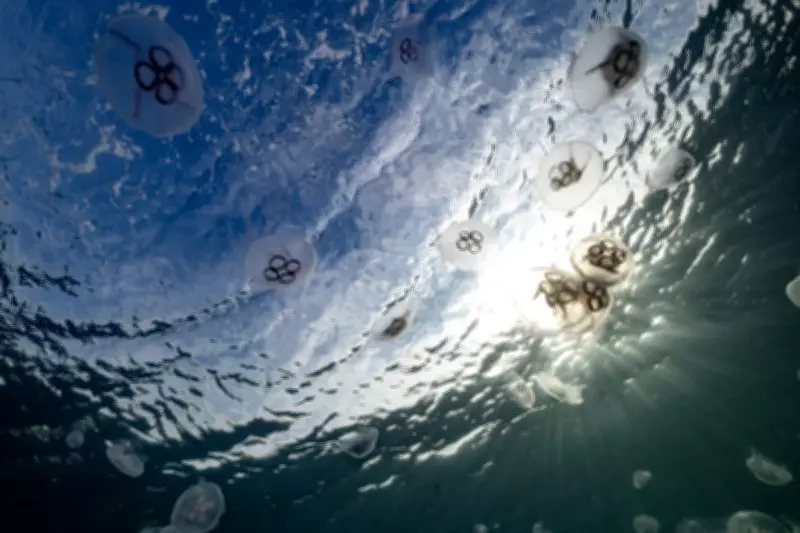
Approximately twenty to thirty jellyfish were observed floating near the water's surface before washing ashore at Siam Bay in Racha Yai. Officials managing the protected area reported the sighting to marine research authorities, triggering an immediate public safety advisory.
The jellyfish have been identified as Aurelia sp, commonly known as moon jellyfish. This species is frequently found in local waters, but their sudden appearance in such numbers has caused alarm among beachgoers and officials alike.

Health Risks and Safety Recommendations
While the venom of moon jellyfish is generally considered mild and not life-threatening, officials from the Department of Marine and Coastal Resources (DMCR) emphasize that contact can cause significant discomfort. Potential reactions include red rashes and skin irritation, particularly among individuals with heightened sensitivity to jellyfish stings.
Authorities have provided clear guidelines for anyone who encounters these marine creatures:
- Remain calm but avoid any direct contact with the jellyfish
- Leave the water immediately if stung, especially if experiencing severe symptoms
- Apply vinegar to the affected area, or use seawater if vinegar is unavailable
- Avoid rubbing the wound or touching it with bare hands
- Monitor for symptoms for at least one hour, as reactions can be delayed
- Seek immediate medical attention if unusual symptoms develop
Distinctive Characteristics of Moon Jellyfish
Moon jellyfish differ from many other venomous species in their physical structure. Rather than possessing long, powerful stinging tentacles, they are surrounded by hundreds of short, fine tentacles around their bell-shaped bodies. This anatomical difference means their stings are typically less severe than those from species like the highly venomous fire jellyfish.
Recent Context and Broader Concerns
This warning follows another recent alert from Deputy Prime Minister and Minister of Natural Resources and Environment Suchart Chomklin, who reported large numbers of highly venomous fire jellyfish (Morbakka fenneri) around Koh Aeo in Phuket. DMCR officials detected these dangerous jellyfish at concentrations of approximately one hundred per square meter, floating at depths of three to five meters.
The consecutive warnings highlight growing concerns about jellyfish populations in popular tourist areas. Marine authorities are urging both tourists and locals to exercise extreme caution during water activities, particularly swimming, snorkeling, and diving.
Phuket's tourism industry faces potential impacts from these marine safety concerns, as thousands of visitors flock to the island's beaches during this busy travel period. Officials are balancing the need to protect public health with maintaining the island's reputation as a safe and attractive destination.
The DMCR continues to monitor jellyfish movements and will issue further updates as necessary. Tourists planning marine activities are advised to check current conditions and heed all official warnings before entering the water.