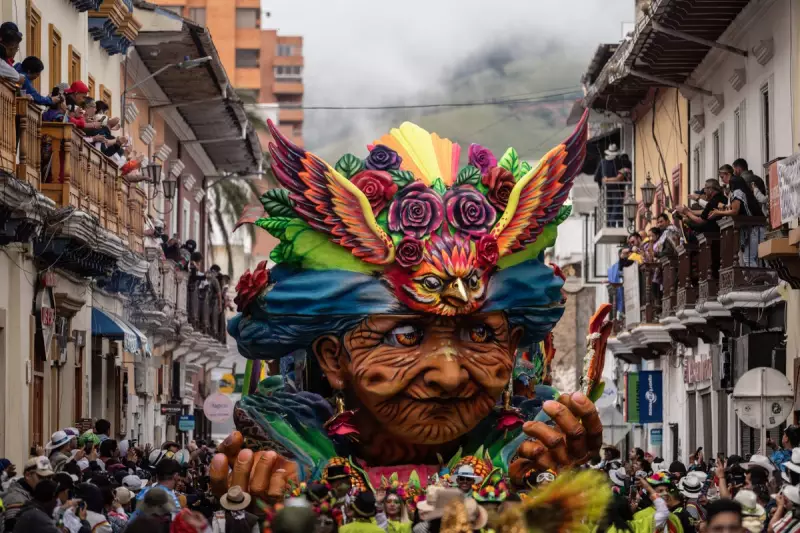
Colombia's vibrant city of Pasto has once again erupted in a spectacular display of colour and culture for its famed Black and White Carnival. The celebrations, which took place on Wednesday, 7 January 2026, saw thousands of revellers take to the streets in an exuberant festival of music, dance, and elaborate artistry.
A UNESCO-Recognised Spectacle
The event is no ordinary street party. The Black and White Carnival (Carnaval de Negros y Blancos) is officially recognised by UNESCO as an Intangible Cultural Heritage of Humanity. This prestigious designation underscores the festival's deep cultural significance and its role in preserving the unique traditions of the Andean region. The 2026 edition continued this proud legacy with immense energy and creativity.
Parades, Floats, and Colourful Costumes
The heart of the carnival lies in its breathtaking visual spectacle. Giant, intricately designed parade floats, known as 'carrozas', rolled through the streets of Pasto, each one a moving masterpiece of papier-mâché and paint. Alongside them, participants donned an array of vibrant and imaginative costumes, their faces often painted in the traditional black and white motifs that give the carnival its name. The air was filled with music from local bands, creating an infectious, joyous atmosphere that captivated both locals and visitors.

The Associated Press photo editors curated a gallery of images from the event, showcasing the scale and detail of the festivities. These photos serve as a powerful testament to the community spirit and artistic talent that define this annual celebration.
A Celebration of Cultural Identity
Beyond the sheer fun, the Black and White Carnival is a profound expression of local identity and history. It represents a fusion of indigenous, Spanish, and Afro-Colombian influences, celebrating diversity and social unity. The act of painting faces black and white is a symbolic gesture of equality and playfulness, temporarily erasing social differences. The successful staging of the 2026 carnival not only provided a major boost to local tourism but also reinforced the importance of safeguarding such living cultural traditions for future generations.