For over four decades, German-style Christmas markets have been a staple of the British festive season, but a stark new analysis suggests the tradition is becoming a victim of its own success. Experts have revealed that soaring domestic costs now make it cheaper for Britons to fly overseas for a Christmas market break than to visit some of the UK's most popular winter attractions.
The Price of Festive Cheer: UK vs Europe
Travel giant Thomas Cook has conducted a comprehensive study, comparing average transport, accommodation, and on-the-ground expenses. The findings are startling for domestic holidaymakers. For instance, a visit to London's sprawling Winter Wonderland from Birmingham now totals approximately £318.90.
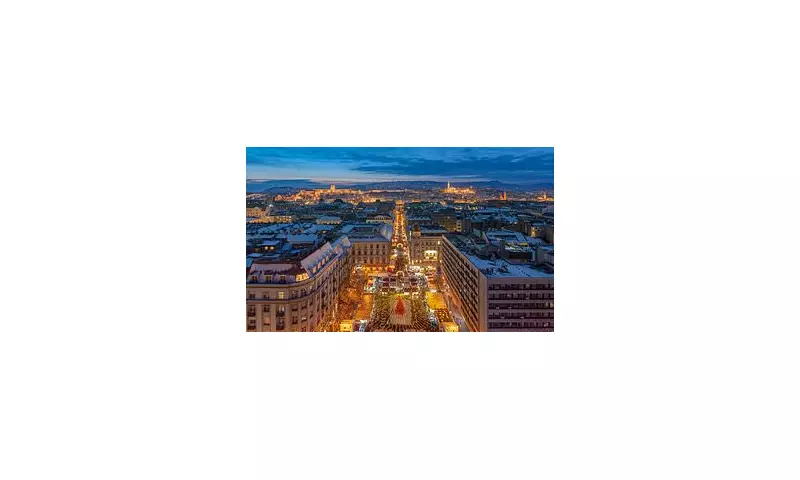
By sharp contrast, the company offers a one-night package holiday to Budapest, including return flights and a stay at the four-star Hotel Mediterran, starting from just £85 per person. With local market prices averaging £9 for a meal and £3.50 for a beer, the total Hungarian experience comes to £97.50—less than a third of the London cost.

The trend holds for other major UK destinations. A festive trip from London to Manchester's markets costs around £297. Yet, travellers can opt for Warsaw instead, where Thomas Cook packages to the four-star Mamaison Residence Diana start from £97 per person. Adding roughly £12.50 for market food and drink brings the Polish total to just £109.50, a saving of £187.50.
Even Iconic Edinburgh Undercut
Not even the nation's most iconic festive destinations are immune. A London-to-Edinburgh Christmas market visit has an estimated cost of £229.50. Meanwhile, a festive getaway to Copenhagen, including flights and a night at the two-star Annex Copenhagen, can be secured from just £191 per person. With an extra £13 for food and drink, the Danish total is £204.
Nicholas Smith, Holidays Digital Director at Thomas Cook, commented on the shift: 'Christmas markets abroad are not only magical, but this year they're proving exceptional value for money. With UK rail, hotel and food costs often sitting at the higher end, a festive night away in Europe proves to be more affordable, and perhaps more memorable too.'
Overcrowding Adds to Domestic Woes
The financial disincentive is compounded by growing concerns over crowding and safety at some major UK markets. Since opening on 27 November, visitors have flooded social media with bleak videos of York Christmas Market, describing it as a 'hellscape' not worth the stress.
The historic city, with a population of 94,000, attracts hundreds of thousands of winter visitors who squeeze through narrow cobblestone streets to browse over 250 stalls. According to BBC reports, locals have raised alarms that the market in Parliament Street and St Sampson's Square is now too compact and overcrowded, creating significant hazards for disabled and vulnerable people.
This scrutiny highlights a dual challenge for the UK's festive season: as prices rise, the experience at some of the most established markets is being diminished by congestion, pushing cost-conscious consumers to look beyond Britain's shores for their Christmas spirit.