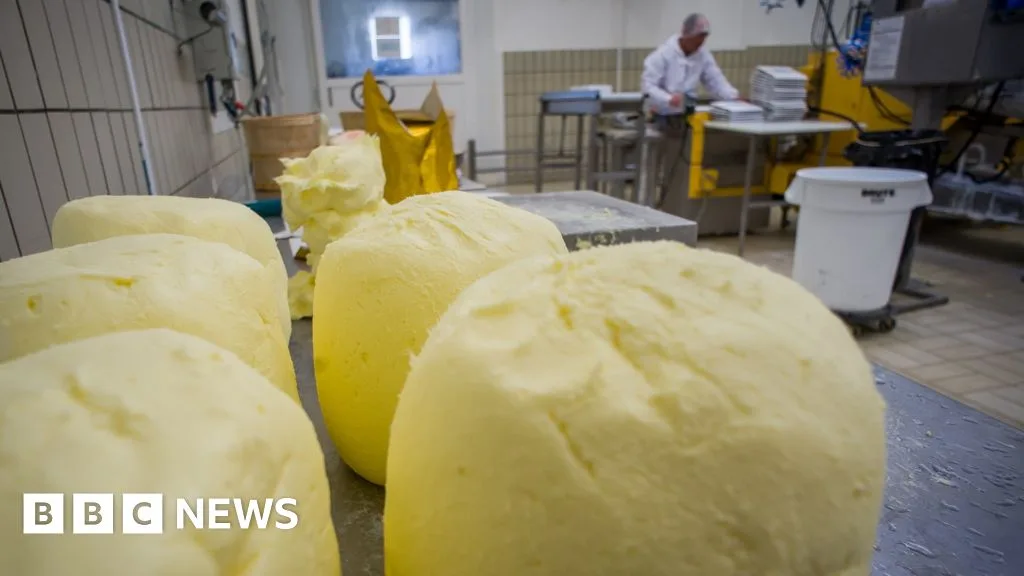
French supermarkets are experiencing noticeable gaps on butter shelves, with own-brand options becoming scarce. Shoppers often find only premium-priced varieties available. A sign in one store reads: "The butter market is facing an unprecedented shortfall in raw materials which is causing supply problems to this store."
Despite appearances, there is no absolute butter crisis in France. The country remains Europe's second-largest dairy producer after Germany. However, the system is under strain due to a surge in global demand, particularly from China, where Western-style pastries have become popular. European and American consumers are also returning to butter after years of avoiding animal fats.
Supply is falling simultaneously. New Zealand, the world's largest dairy exporter, shipped 11% less butter between January and August compared to the previous year. In the EU, the end of milk quotas in 2015 led to a price collapse, driving some producers out. Poor weather in 2016 also reduced animal feed, lowering milk yields in 2017. Consequently, butter prices soared from €2,500 per tonne in April 2016 to €6,500 in September 2017.
The unique factor in France is its rigid pricing system. Butter prices are set annually through negotiations between supermarkets and producers, with the next round not due until February. Supermarkets are offering prices agreed nine months ago, when butter was much cheaper. Producers find the world market more attractive and are selling abroad instead.
Thus, while France produces enough butter, it is being diverted from domestic shelves to export markets. The result is a shortage for French households, even as the country continues to churn out butter for global buyers.