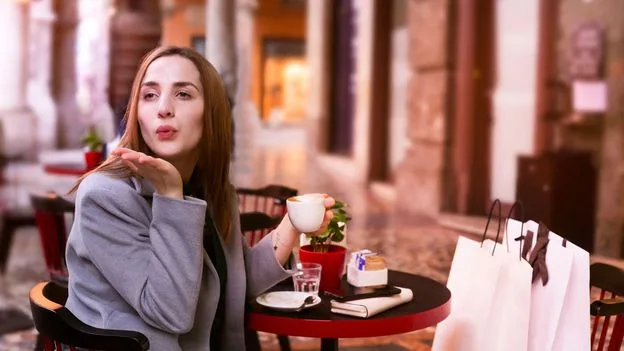
Italians take their food culture seriously, and travellers who unknowingly break unwritten rules may find themselves on the receiving end of a horrified stare. From ordering a cappuccino after breakfast to sprinkling Parmesan on seafood, these common errors can mark you out as a tourist.
According to Eva Sandoval, an expert on Italian travel and culinary etiquette who spent 14 years in the country, Italian food is simple, seasonal and never rushed. Meals unfold in a specific order: antipasto, primo, secondo with contorni, dolce, then coffee or digestif. Skipping courses is fine, but changing the sequence is a faux pas. Salad, for instance, is served alongside the main meat course, not before it.
Cappuccino is strictly a breakfast drink, enjoyed with a brioche or pastry at a coffee bar. Ordering one after about 10am, or worse, at dinner, raises eyebrows. After breakfast, Italians opt for espresso or macchiato. Similarly, Parmesan cheese should never be added to seafood dishes, as Italy’s culinary tradition keeps mare (sea) and monti (mountain/cheese) separate. Exceptions exist for culturally sanctioned recipes, but generally, the two worlds do not mix.
Restaurant dishes are not customisable in Italy. Specific ingredients belong together, and short pasta shapes pair with chunky sauces while long pasta suits lighter ones. Asking for substitutions or bringing all courses at once is highly irregular. By respecting these conventions, visitors gain a deeper appreciation of Italy’s food culture—and perhaps an approving nod from locals.