British holidaymakers visiting Vigo, a coastal city in north-west Spain, may soon have to pay a daily tourist tax of up to €2 per person, according to Spanish media reports. The proposed levy aims to redistribute tourism profits and reduce environmental strain from mass tourism.
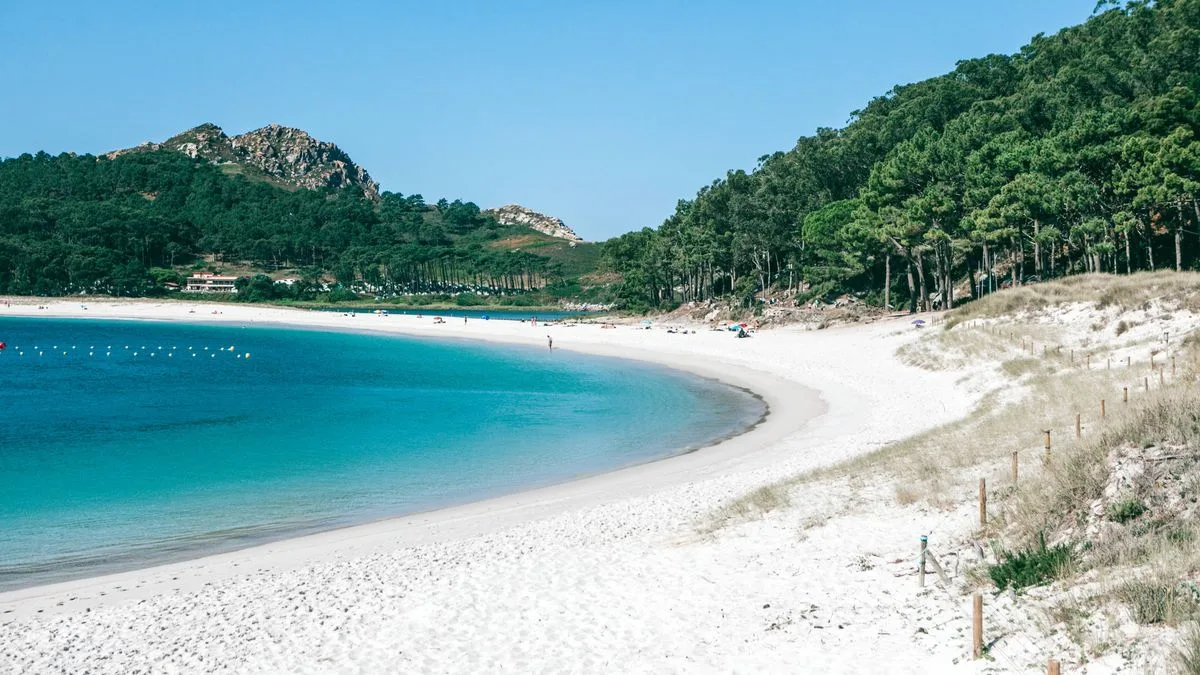
Vigo is known for its 45 beaches and proximity to Rodas Beach on the Cíes Islands, once hailed by The Guardian as the "best beach in the world." The city also attracts visitors with its spectacular Christmas light displays, featuring over 11 million LED lights, and its popularity as a cruise ship destination.
The tax would vary by accommodation type: €2 per day for 4-star superior and 5-star hotels; €1.60 for tourist accommodation and 2-star superior to 4-star hotels; €1.20 for guesthouses and 1- to 2-star hotels; and €0.80 for holiday apartments, rural tourism properties, hostels, and campsites. Cruise passengers would pay €1.20 per disembarkation.

Mayor Abel Caballero stated the tax would be introduced "gradually" from October, initially applying to the first two nights of a stay until July 1, 2027, after which it would apply to a maximum of five nights. Exemptions are planned for children, certain disabled individuals, and health reasons.
The tax still requires approval from the Governing Board and a final vote. Similar levies in Santiago and La Coruña, introduced in late 2025, have faced criticism, with La Coruña's hotel association launching a legal challenge. In Barcelona, combined regional and municipal charges range from €5 to €12 per night.
Travel expert Simon Calder has praised Vigo as "cultured" and "highly affordable," calling it "Spain's best kept secret." The city, home to around 295,000 residents, is also a major fishing port and a gateway to exploring the Galicia region.