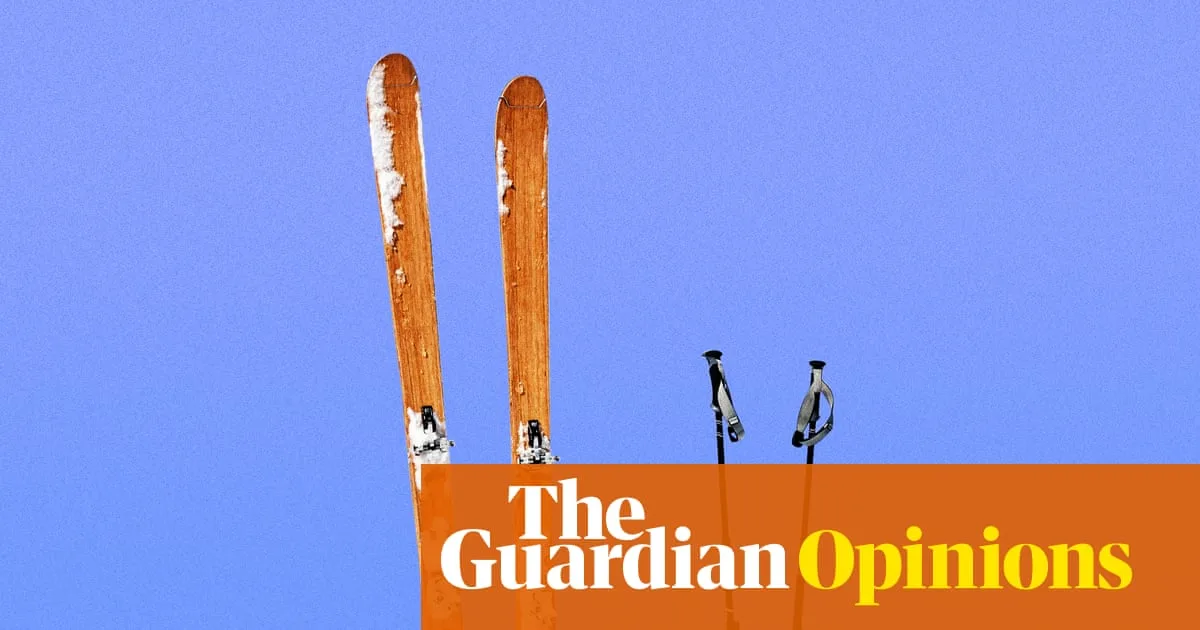
The Skiing Cult: A Costly, Cold, and Confusing Obsession
In the realm of leisure pursuits, skiing stands out as a peculiar phenomenon, often hailed as a magical experience by its devotees. Yet, for many, it represents a collective delusion—a pastime where extortionate costs, freezing queues, and potential life-altering injuries are bizarrely celebrated. This critique delves into why skiing might be more about status than sense, challenging the notion that it's the ultimate holiday choice.
The Economic Madness of Skiing
Skiing is undeniably one of the most expensive holidays one can undertake. The financial burden begins with the essential gear: specialist jackets, trousers, gloves, goggles, helmets, and boots—often described as some of the ugliest attire imaginable. Add to this the costs of skis, poles, chalet fees, and flights, and the total easily runs into thousands of pounds. For this privilege, participants endure long waits in the cold, often under the stern guidance of instructors shouting in foreign languages, making it a questionable investment for relaxation.
Dangers and Injuries on the Slopes
Beyond the expense, skiing carries significant risks. The sport is notorious for injuries, from snapped ligaments to mysterious knee problems that skiers casually attribute to their time in resorts like Val d'Isère. This ecosystem of potential harm has even fueled entire orthopaedic careers, highlighting the inherent dangers that many enthusiasts downplay. The idea of willingly risking serious injury for leisure seems perverse, especially when safer alternatives exist.
Comfort and Climate Conundrums
For residents of the UK, where cold weather is a common grievance, the choice to spend annual leave in even colder conditions is baffling. Skiing often involves being damp, windburnt, and bruised, all while subsisting on overpriced meals. In contrast, a tropical holiday offers warmth, cocktails, and relaxation at a fraction of the cost, raising questions about why anyone would opt for the former.
The Après-Ski Circus
After a day on the slopes, the après-ski scene adds another layer of absurdity. Characterised by loud, exhausting social interactions set to a relentless backdrop of EDM and Ibiza pop, it's a culture where conversations often revolve around elitist questions like "What school did you go to?" This environment can feel alienating and superficial, further detracting from any purported enjoyment.
A Cult-Like Obsession
Skiing often resembles a cult, with its adherents displaying an adamantine belief in its superiority, ritualised suffering, and an evangelical urge to convert sceptics. Despite this, no sensible explanation for its popularity has emerged, leaving critics to wonder if it's all a sustained fantasy. As one writer puts it, this is a hill to die on—but not while skiing down it.

In summary, skiing holidays present a paradox of high costs, discomfort, and danger, wrapped in a culture of exclusivity. While some may find joy in the slopes, for others, it remains an emperor's new clothes scenario, where the allure fails to justify the reality.